
G-Cav™ Food & Beverage Wastewater Treatment and Process Water Quality
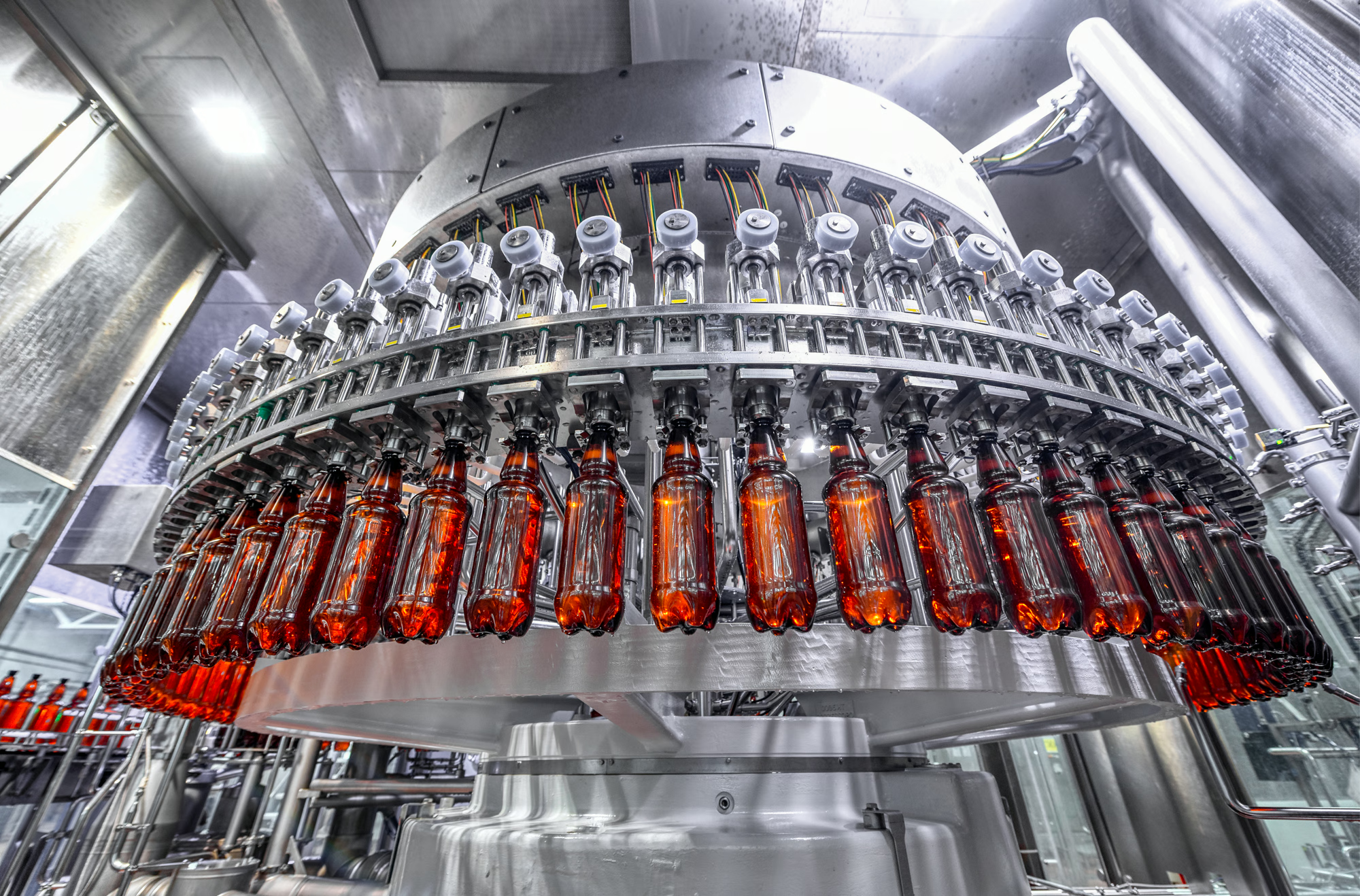
G-Cav™ FOOD & BEVERAGE Sanitation · CIP Enhancement · Process Water Quality Chemical-Free Pathogen Control and Advanced Oxidation for Food Safety and Operational Efficiency Produce · Meat & Poultry · Dairy · Brewery · Winery · Distillery Global Cavitation Group Holdings Pty Ltd |…
G-Cav™ Environmental Remediation for Natural Water Treatment
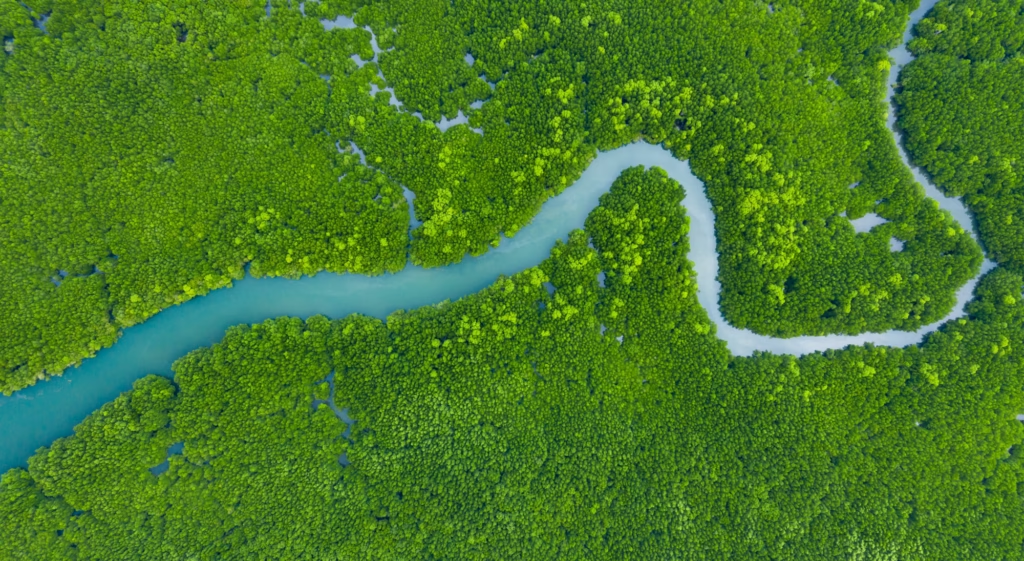
1. Executive Summary The degradation of water bodies — lakes, reservoirs, rivers, estuaries, wetlands — and the contamination of groundwater aquifers represent some of the most persistent and costly environmental challenges facing water managers, catchment authorities, and regulators worldwide.…
Why Your Biodigester Needs to Chew Its Food

Industrial Mastication Why Your Biodigester Needs to Chew Its Food Hydrodynamic Cavitation and Oxygen Nanobubble Pretreatment for Agricultural Waste Biogas Systems G-Cav™ Technical Insights • Global Cavitation Group Holdings Pty Ltd • globalcavitation.com 194% +145% >99% 0 CH₄ yield increase Wheat…
Gas Dissolution: Why Surface Area Controls Every Gas-Transfer System
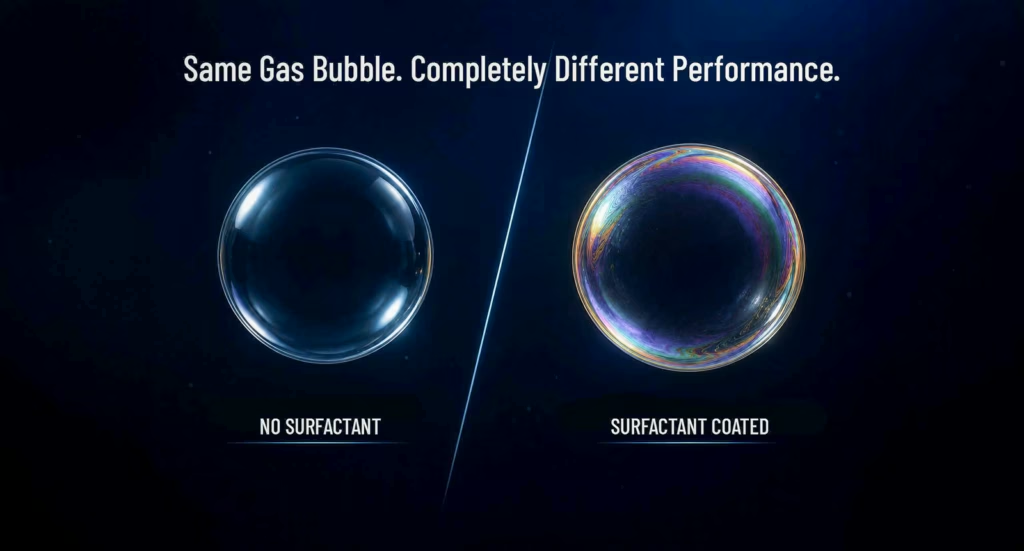
Gas-transfer performance is governed by gas-liquid surface area. G-Cav™ uses vortex-induced multistage hydrodynamic cavitation to generate nanobubbles with vastly greater interface, helping supplied gas dissolve before it escapes.
Why Paddle Wheels Are No Longer Enough for Modern Aquaculture
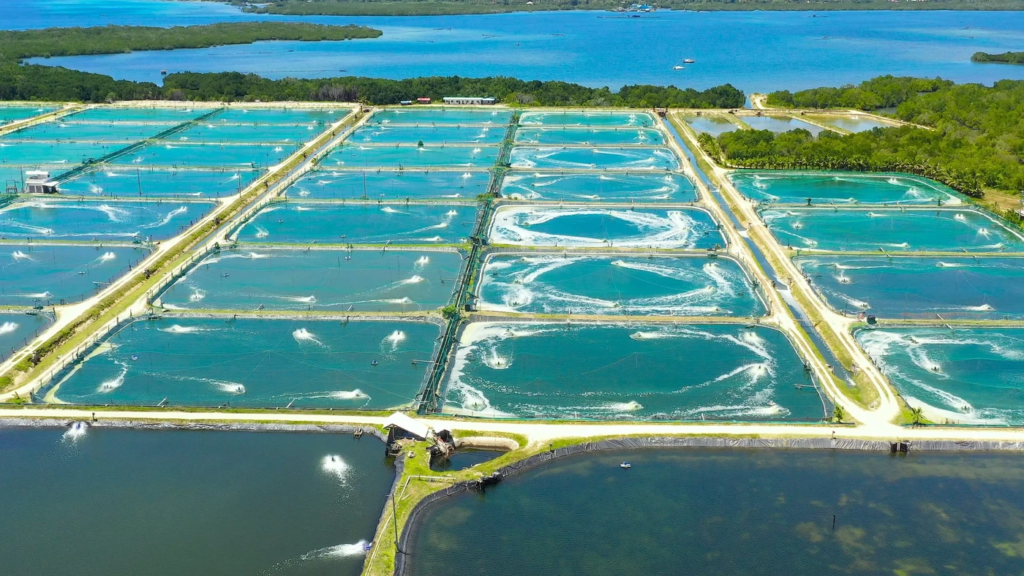
Traditional paddle wheels and blowers can move water, but they often struggle with oxygen transfer, depth coverage and efficiency. G-Cav™ uses hydrodynamic cavitation to generate oxygen-infused nanobubbles for more even oxygen distribution in aquaculture systems.
G-Cav™ Oxygen Nanobubbles for Heap Leach Oxygenation
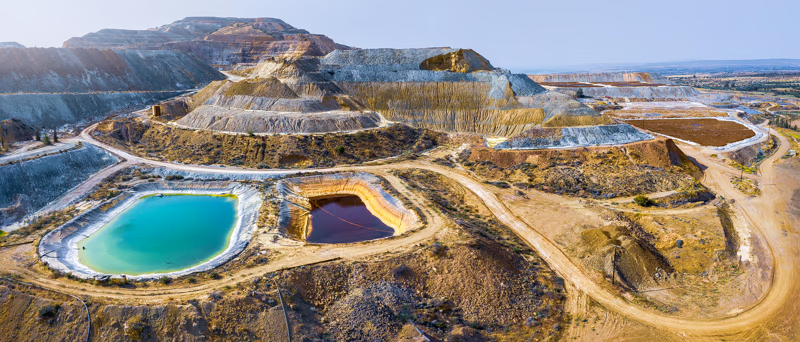
1. Executive Summary Oxygen is not merely beneficial to hydrometallurgical leaching processes — in most cases it is stoichiometrically essential. The bacteria that oxidise metal sulfides, the chemical oxidants that dissolve noble metals, and the ferric iron regeneration cycle that drives heap leach…
Why Paddle Wheels Are No Longer Enough for Modern Aquaculture
For decades, paddle wheels have been one of the most recognisable aeration tools in aquaculture. They are visible, familiar and simple to install. They churn the surface, move water across a pond and provide a basic level of oxygen support. But surface agitation is not the same as efficient oxygen…
Gas Dissolution: The Universal Dissolution Rate Constraint
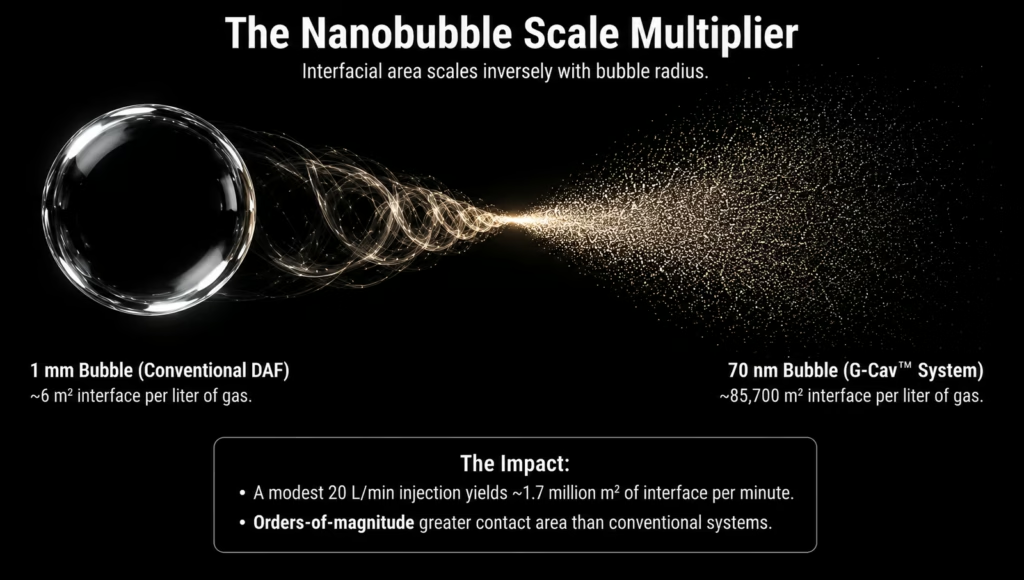
· Cairns, Queensland, Australia © 2025 Global Cavitation Group Holdings Pty Ltd Abstract The rate at which a gas dissolves into a liquid is governed by a single physical variable: the area of the interface between the gas phase and the liquid phase. Every gas-delivery technology — paddlewheel…