
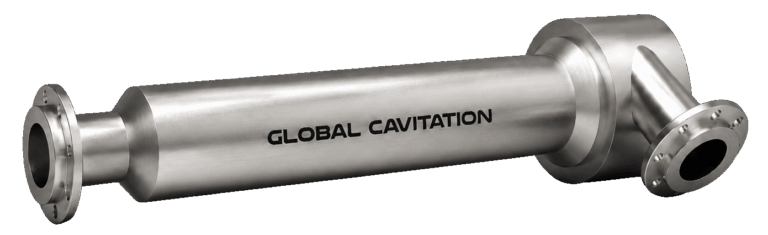
Across agriculture, aquaculture, wastewater, environmental remediation, mining, food processing, oil and gas water systems, and specialist industrial applications, the same core platform can be configured to create different forms of process value.
In one industry, the value may come from oxygen transfer. In another, it may come from oxidation, separation, flotation, sanitation, remediation, irrigation performance, or biological optimisation. The application changes, but the core technology remains consistent.
Global Cavitation applies one advanced cavitation and gas-infusion platform across sectors where liquids, gases, solids, biology, and process efficiency intersect.
Many industries face different versions of the same underlying problem: they need gases, liquids, solids, and biological systems to interact more effectively.
Some industries need stronger oxygen transfer. Others need improved gas dissolution, contaminant separation, advanced oxidation, biological support, sanitation, or water quality restoration. Conventional systems often rely on diffusers, membranes, chemical-heavy treatment, or maintenance-intensive infrastructure to achieve these outcomes.
G-Cav™ takes a different approach.
By using vortex-induced multistage hydrodynamic cavitation, the platform creates intense liquid movement, gas fragmentation, and high-efficiency gas infusion inside the process stream itself. This allows gases such as oxygen, hydrogen, ozone, air, nitrogen, or carbon dioxide to be introduced more effectively into water and other liquid systems.
That is why the technology can be applied across multiple sectors without becoming fragmented or disconnected. The commercial outcome changes from industry to industry, but the operating principle remains the same.
G-Cav™ is not a collection of unrelated products. It is one adaptable platform applied to industries that share a common process challenge: improving how gas, liquid, solids, and biology interact.
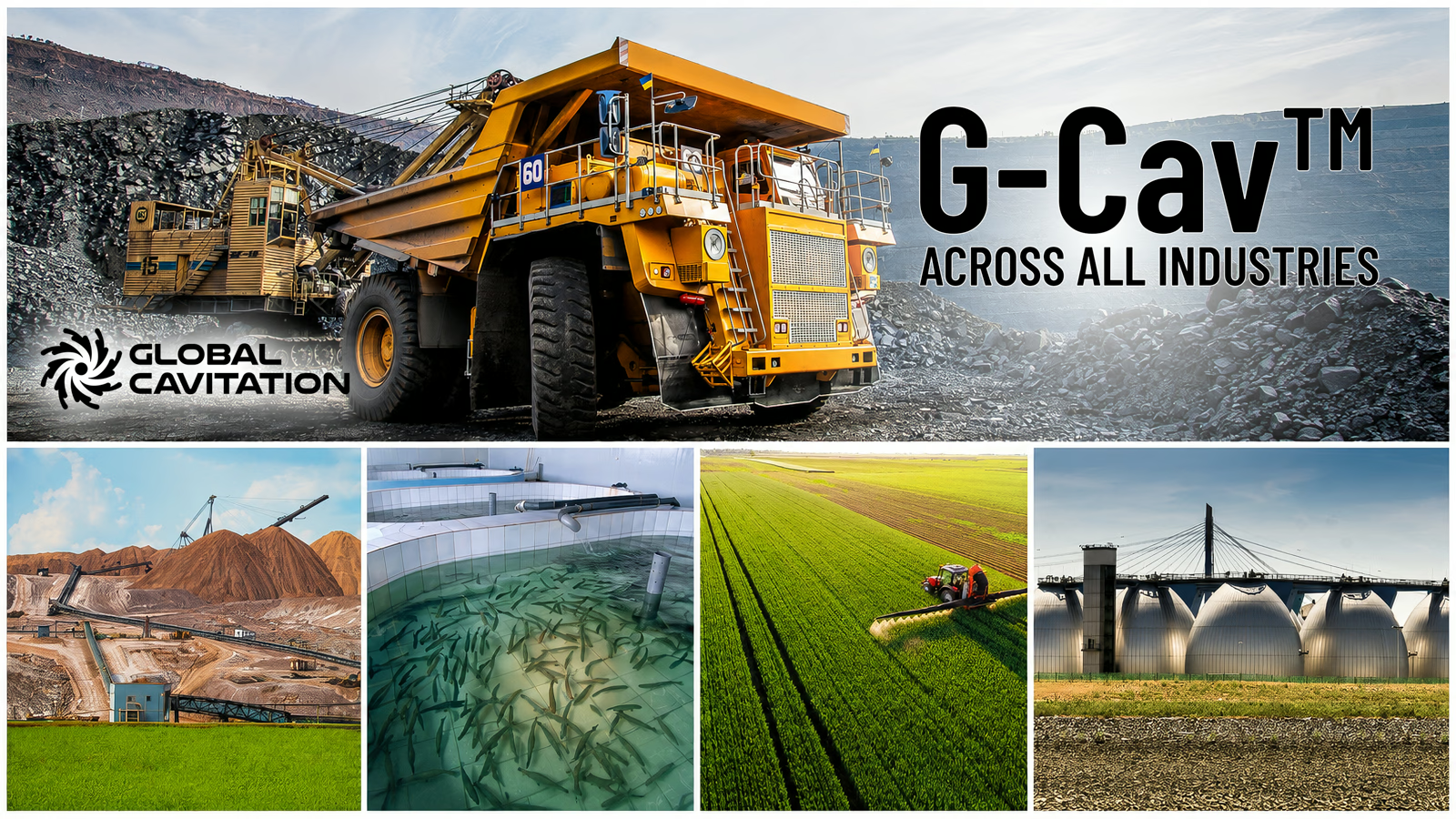
G-Cav™ can be configured for a wide range of industries where water, gas transfer, oxidation, flotation, sanitation, biological performance, or process efficiency are commercially important. Explore the key industry areas below.
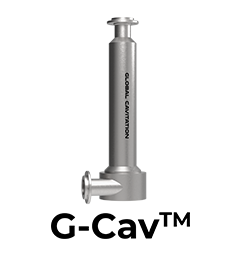
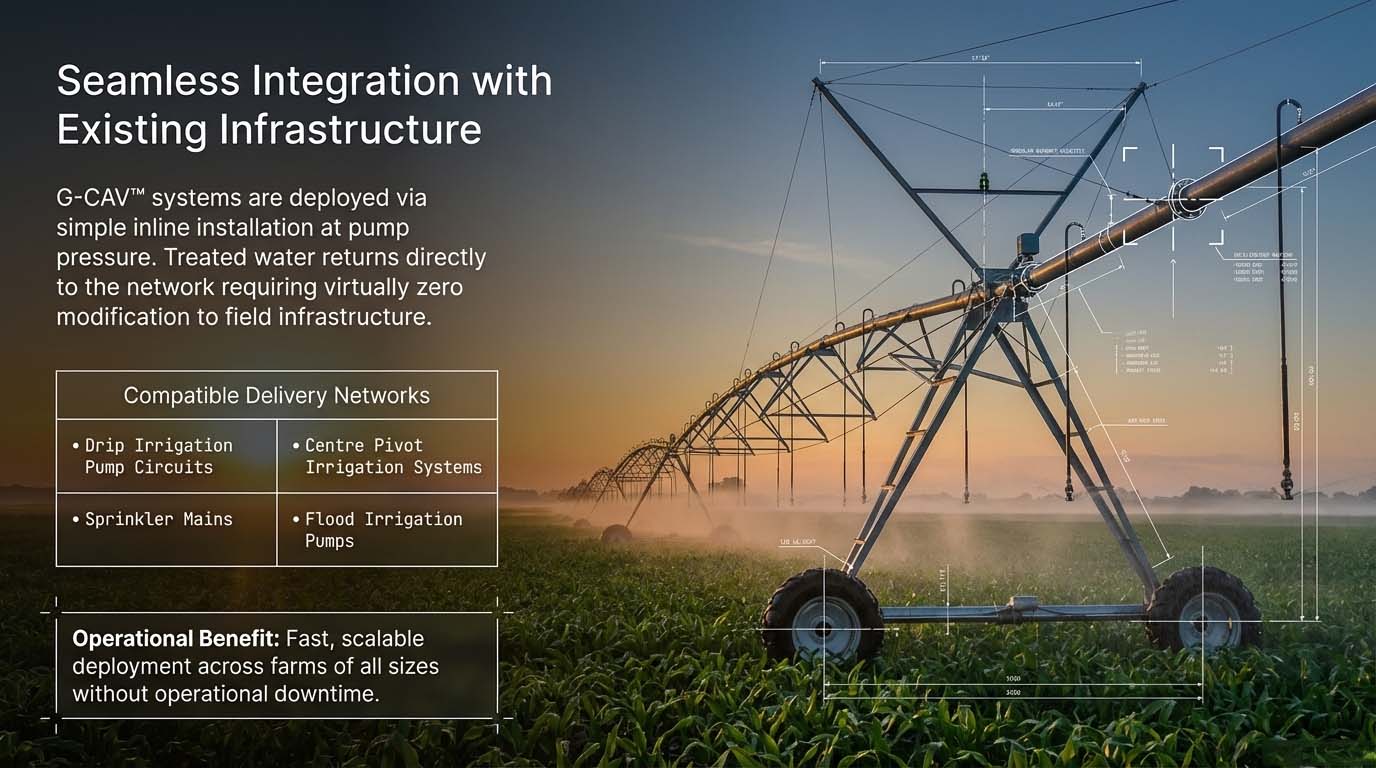
Agriculture shows how G-Cav™ can support plant production through the water itself.
Irrigation water is not just a delivery medium. It influences oxygen availability, root-zone conditions, nutrient movement, microbial activity, plant stress response, and overall crop performance. By introducing gases such as oxygen, hydrogen, or ozone through a high-efficiency cavitation platform, G-Cav™ can support more effective water conditioning before that water reaches the plant.
For agriculture, this creates opportunities across irrigation, soil biology, root-zone oxygenation, water hygiene, and nutrient delivery.
The platform can be integrated into irrigation infrastructure, recirculation systems, storage tanks, or controlled dosing environments depending on the crop, water source, and production model.
In horticulture, water quality has a direct impact on plant consistency, crop quality, disease pressure, and root-zone performance.
High-value growing environments depend on control. Growers need stable water delivery, clean irrigation systems, strong root development, and predictable plant response. G-Cav™ can support these environments by improving how selected gases are infused into irrigation or nutrient water.
This makes the platform relevant for greenhouse production, nurseries, controlled growing systems, and high-value crops where small improvements in consistency can create meaningful commercial value.
Hydroponics and aquaponics extend the same logic into recirculating water systems.
In these environments, oxygen availability, nutrient solution stability, water hygiene, and biological balance are critical operating variables. The water is not passive. It is the production environment.
G-Cav™ can be configured to support oxygenated or gas-infused nutrient water delivery, helping operators manage water quality inside controlled-environment agriculture systems.
Together, agriculture, horticulture, hydroponics, and aquaponics show the biological side of the G-Cav™ platform: better gas transfer into water can support better production environments.
Aquaculture is one of the clearest examples of why gas transfer matters.
In fish, shrimp, hatchery, broodstock, and live-holding systems, dissolved oxygen is not a minor utility. It is a production constraint. Oxygen availability affects growth, survival, feed conversion, stress, stocking density, and overall water quality.
When oxygen delivery is inefficient, operators can face higher energy costs, biological stress, poor water stability, and production risk.
G-Cav™ can be configured as a precision oxygenation and water-quality platform for aquaculture systems. By improving how oxygen is delivered and retained in water, the technology can support production environments where biological performance depends on consistent dissolved oxygen control.
The same transfer-efficiency advantage that matters in industrial liquid systems becomes directly relevant to living biomass.
For aquaculture operators, the goal is practical: deliver oxygen more effectively, support water quality, and create more stable operating conditions across tanks, ponds, hatcheries, and recirculating systems.
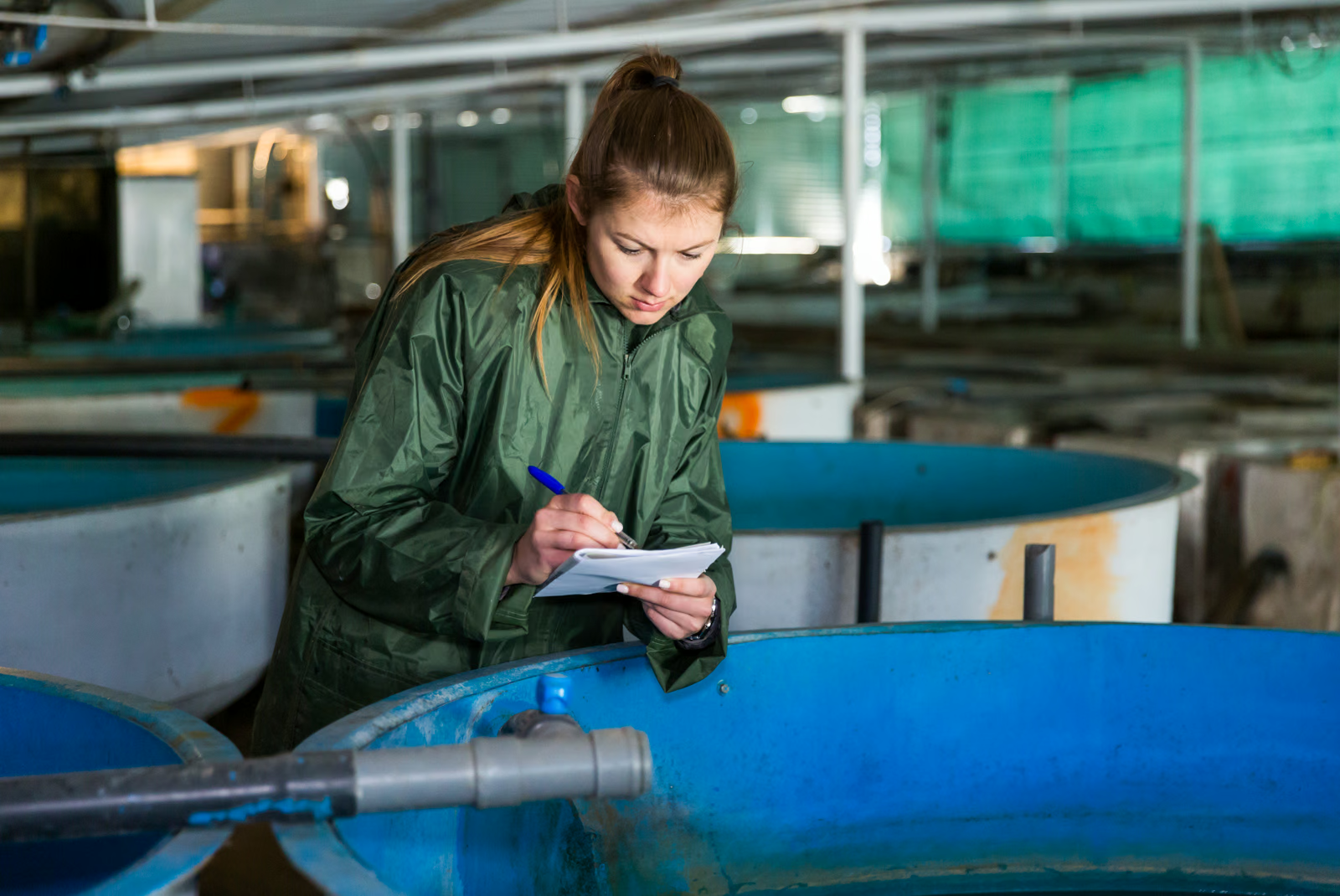
Wastewater is one of the strongest applications for the G-Cav™ platform because the sector combines universal demand with measurable process pain.
Industrial and municipal wastewater systems often deal with high organic loads, emulsions, suspended solids, odour, low oxygen, chemical demand, and downstream treatment pressure. Operators need technologies that can improve process performance without adding unnecessary complexity.
G-Cav™ can support wastewater treatment through improved gas transfer, oxidation support, sub-micro flotation, emulsion disruption, and process intensification.
In industrial wastewater, value often sits in pretreatment.
Many facilities need to reduce downstream treatment burden before water enters biological treatment, clarification, filtration, or discharge pathways. G-Cav™ can be configured to support oil-water separation, oxidation, flotation, contaminant interaction, and improved liquid conditioning.
For industrial operators, the commercial case is not just cleaner water. It is reduced load on the rest of the treatment system.
Municipal wastewater plants face constant pressure to improve treatment efficiency, manage energy use, maintain compliance, and reduce stress on overloaded infrastructure.
G-Cav™ can be applied as a process-support platform, particularly where oxygen transfer, early-stage treatment support, clarification, odour control, or biological process stability are important.
The platform is especially relevant where improving one part of the treatment train can create benefits downstream.
Environmental remediation applies the same platform logic outside the plant.
G-Cav™ can be configured for open-water restoration, nitrate-affected groundwater, algal bloom management, odour suppression, and site-specific remediation programs.
For lakes, rivers, reservoirs, lagoons, and other water bodies, the objective is often to restore dissolved oxygen, improve ecological stability, and support water quality recovery.
This shows that G-Cav™ is not limited to industrial systems. It can also be deployed in regulated, ecological, and public-infrastructure environments where restoration and water-quality improvement are the central value drivers.
Mining, oil and gas, and heavy industrial sectors show the harder process side of the G-Cav™ platform.
These industries often deal with complex liquids, suspended solids, hydrocarbons, mineral slurries, process water, chemical systems, and difficult separation challenges. They require technologies that are practical, robust, and capable of being integrated into existing process infrastructure.
G-Cav™ is relevant because it can be configured around gas-liquid interaction, cavitation-driven mixing, oxidation support, flotation assistance, and process-water improvement.
In mining, process performance is measured in recovery, throughput, reagent use, water quality, energy intensity, and cost per tonne.
G-Cav™ can support mining applications where gas dispersion, flotation recovery, leaching support, slurry conditioning, or process-water treatment are important. The technology can be assessed for mineral processing environments where improved gas-liquid-solids interaction may help unlock process value.
The commercial opportunity is clear: even small improvements in recovery, reagent efficiency, or water handling can have significant value at mining scale.
Oil and gas operators face some of the most difficult water-management challenges in industry.
Produced water, oil-water separation, oxidation support, emulsions, hydrocarbons, solids, and water reuse all create operational and compliance pressure.
G-Cav™ can be configured for oil and gas water treatment applications where cavitation and gas infusion may support separation, oxidation, water conditioning, and treatment efficiency.
In this sector, the platform is not positioned as a generic water product. It is an engineered process tool for difficult fluids and high-value operating environments.
Beyond large process industries, G-Cav™ can also be configured for more specialised applications where gas-liquid interaction or sanitation creates commercial value.
These may include cooling towers, car wash reclaim, concrete and CO₂ applications, site-specific industrial water systems, and other niche environments where water quality, oxidation, gas transfer, or process hygiene matter.
This specialist category matters because it demonstrates the adaptability of the platform. G-Cav™ can be engineered into narrow but commercially valuable use cases where conventional systems are inefficient, maintenance-heavy, or poorly suited to the operating environment.
Food and beverage facilities operate in environments where hygiene, consistency, uptime, and compliance matter every day.
Water is involved across multiple parts of the plant: process water, cleaning systems, sanitation, CIP circuits, wastewater, and sometimes ingredient or production-related flows. Any improvement in water quality, sanitation efficiency, chemical burden, or wastewater load can create operational value.
G-Cav™ can be configured to support ozone-based sanitation, advanced oxidation, process-water improvement, CIP efficiency, and wastewater treatment support.
This makes the technology relevant as more than a single-point device. In the right facility, it can become part of a broader water and hygiene strategy.
For food and beverage operators, the opportunity is practical: improve water performance, support sanitation, reduce treatment pressure, and create more efficient process conditions across the plant.
This industry is important because it shows G-Cav™ can move beyond heavy industrial and environmental markets into high-compliance manufacturing environments where residue, uptime, and operational consistency are central to the business case.
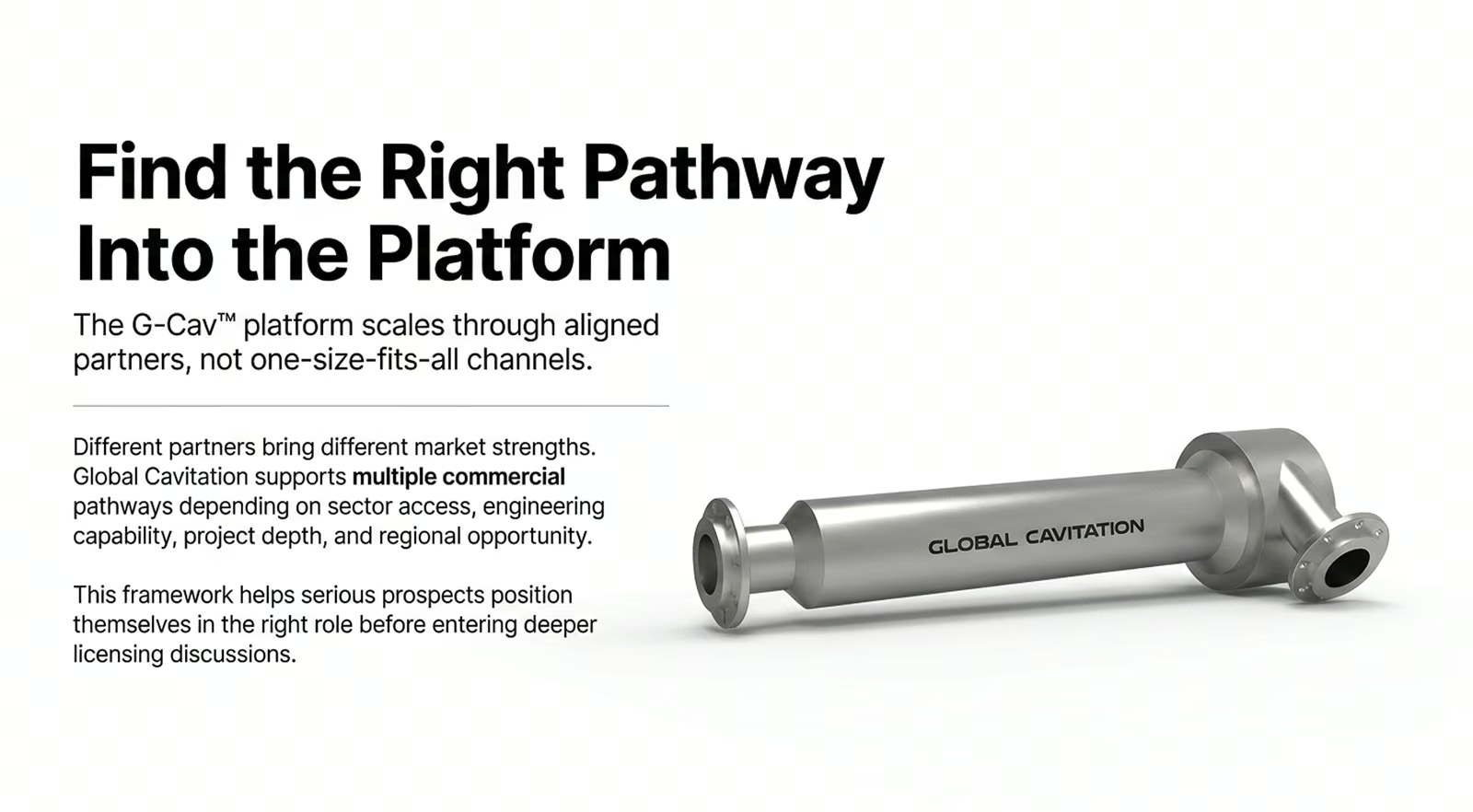
The Industries section exists to help visitors move quickly from the platform story into the sector most relevant to their market.
Each industry page explains the process challenge, the role of the G-Cav™ platform, the deployment logic, and the commercial case for that vertical.
The purpose of this overview is not to overwhelm the reader with every possible application. It is to show that the breadth is coherent.
G-Cav™ can move across multiple industries because those industries share a real process logic. They all depend, in different ways, on how efficiently gases, liquids, solids, and biological systems interact.
The platform’s open geometry, multistage cavitation pathway, and gas-infusion capability allow it to be applied across clean water, challenging water, process liquids, biological systems, and industrial streams.
That is the step-change opportunity: one adaptable cavitation platform capable of creating different forms of value across multiple high-value industries.
The breadth of the G-Cav™ platform creates more than a technical opportunity. It creates a commercial opportunity.
Global Cavitation is seeking partnerships with established companies that already understand their industries, territories, customers, and project environments.
For the right partners, G-Cav™ offers a platform that can be deployed, integrated, and scaled across specific sectors or regions. The opportunity is not limited to selling equipment one unit at a time. It can support broader commercial models built around licensing, distribution, integration, project deployment, and sector-specific market development.
Different industries may require different business models. Agriculture may need a different route to market than mining. Aquaculture may require a different partner profile than oil and gas. Municipal wastewater may need a different procurement pathway than food processing.
The strength of the platform is that it can support these differences while remaining technically coherent.
Global Cavitation is interested in partners who can bring market access, industry expertise, customer relationships, project capability, and regional execution.
For those partners, G-Cav™ represents more than a technical product. It is a business-building platform for industries where improved gas infusion, cavitation, oxidation, oxygenation, separation, and water treatment can create measurable value.
Every industry has different operating conditions, but many share the same underlying challenge: improving how gases, liquids, solids, and biological systems interact.
G-Cav™ is designed to address that challenge through one scalable hydrodynamic cavitation and gas-infusion platform.
Whether you are exploring a single site application, a regional deployment model, a sector-specific opportunity, or a licensing partnership, Global Cavitation can help assess where the platform fits and how it should be configured.
Speak with Global Cavitation about your industry.