
Deploy ozone and oxygen nanobubble technology across sanitation, CIP, beverage production, utilities, and wastewater operations to improve food safety performance, reduce chemical dependency, and strengthen plant efficiency.
Food and beverage plants already move large volumes of water through produce washing, process lines, CIP circuits, cooling systems, and wastewater streams. G-Cav™ turns that existing water movement into a treatment opportunity by delivering advanced oxidation and high-efficiency gas transfer directly into the flows that matter most to hygiene, uptime, compliance, and cost.
Food and beverage manufacturing operates under two converging pressures: tighter food-safety expectations and rising operating cost. The conventional response to both has been chemical intensity—stronger sanitisers, heavier CIP chemistry, more corrective intervention, and more downstream treatment burden when water quality or hygiene starts to drift.
That model is becoming harder to defend. Chemical input costs continue to rise. Effluent handling becomes more complicated when chlorine-based or other chemical regimes create secondary waste streams and compliance burdens. Retail and consumer pressure increasingly favours lower residue risk, cleaner production, and stronger sustainability credentials.
At the same time, plants are still expected to protect throughput, maintain hygiene performance, reduce downtime, and keep product quality consistent. That is why a facility-wide process solution is more valuable than another isolated chemical program.
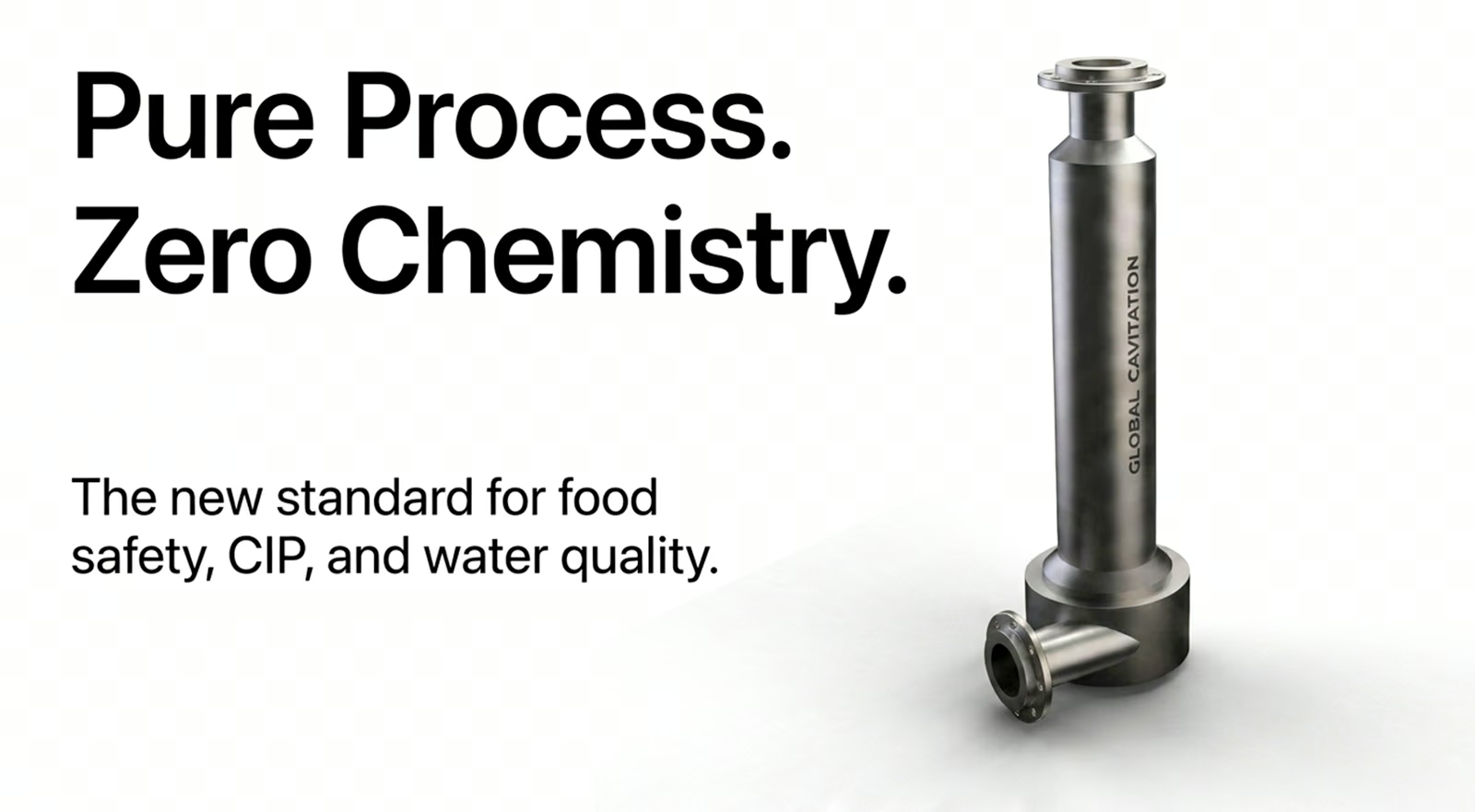
G-Cav™ provides a physical-oxidative process pathway built around vortex-induced multistage hydrodynamic cavitation and nanoscale gas infusion. In food and beverage environments, that creates a platform for sanitation, advanced oxidation, dissolved oxygen control, and plant-wide water quality improvement without leaving chemical residue in the final product stream.
Two gas protocols are central to this sector. Ozone is the primary gas for sanitation, oxidation, and CIP enhancement. Oxygen is used where dissolved oxygen management is commercially useful, including selected beverage-production processes and seafood holding-water applications.
The same installed reactor can operate with either gas depending on the objective. That flexibility is one of the reasons the platform is commercially attractive inside a plant environment with multiple treatment points.
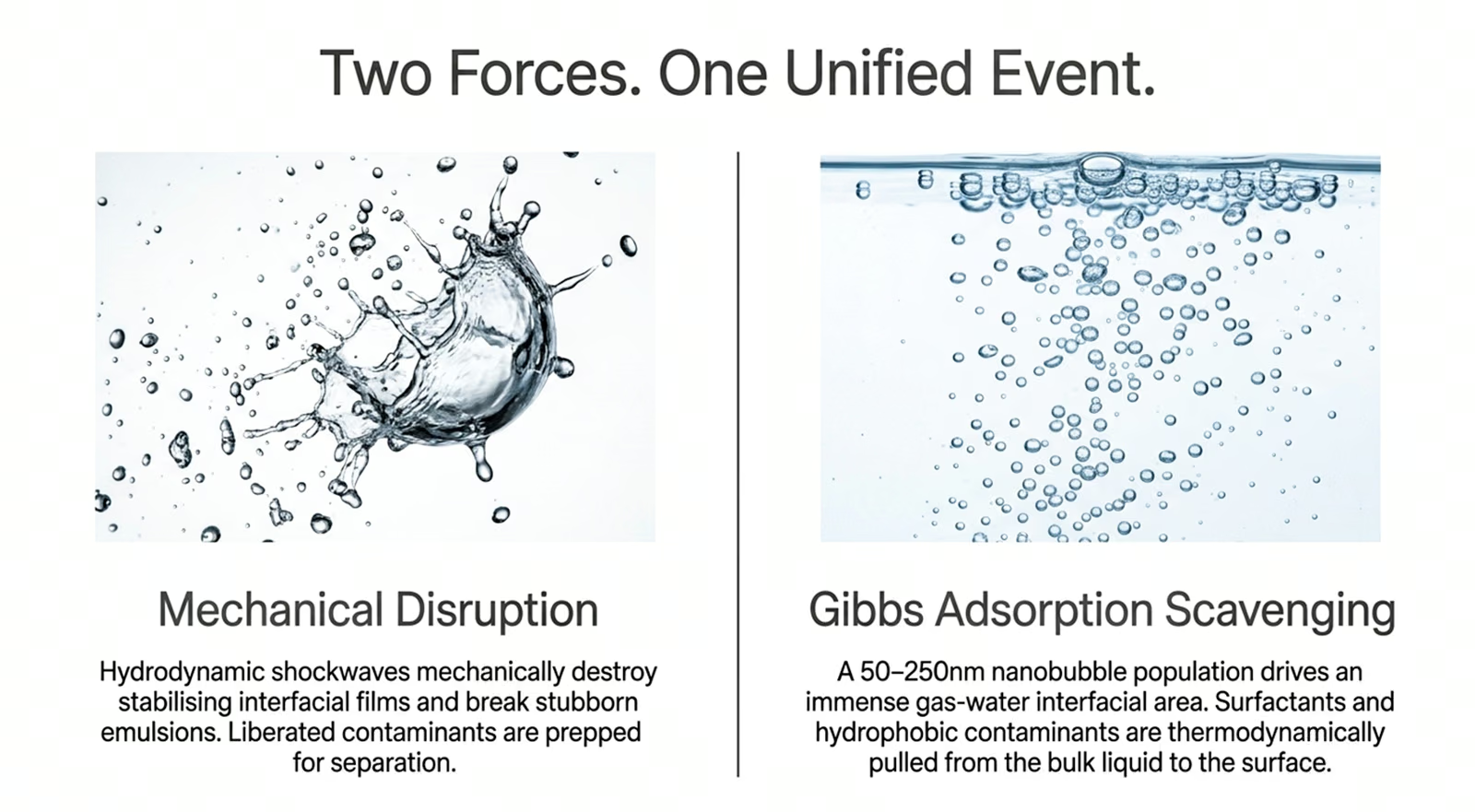
Produce washing is one of the clearest applications. Conventional chlorinated wash water can reduce planktonic microbial load, but it also introduces residue concerns, disinfection by-product risk, and a wastewater burden that can become significant at scale.
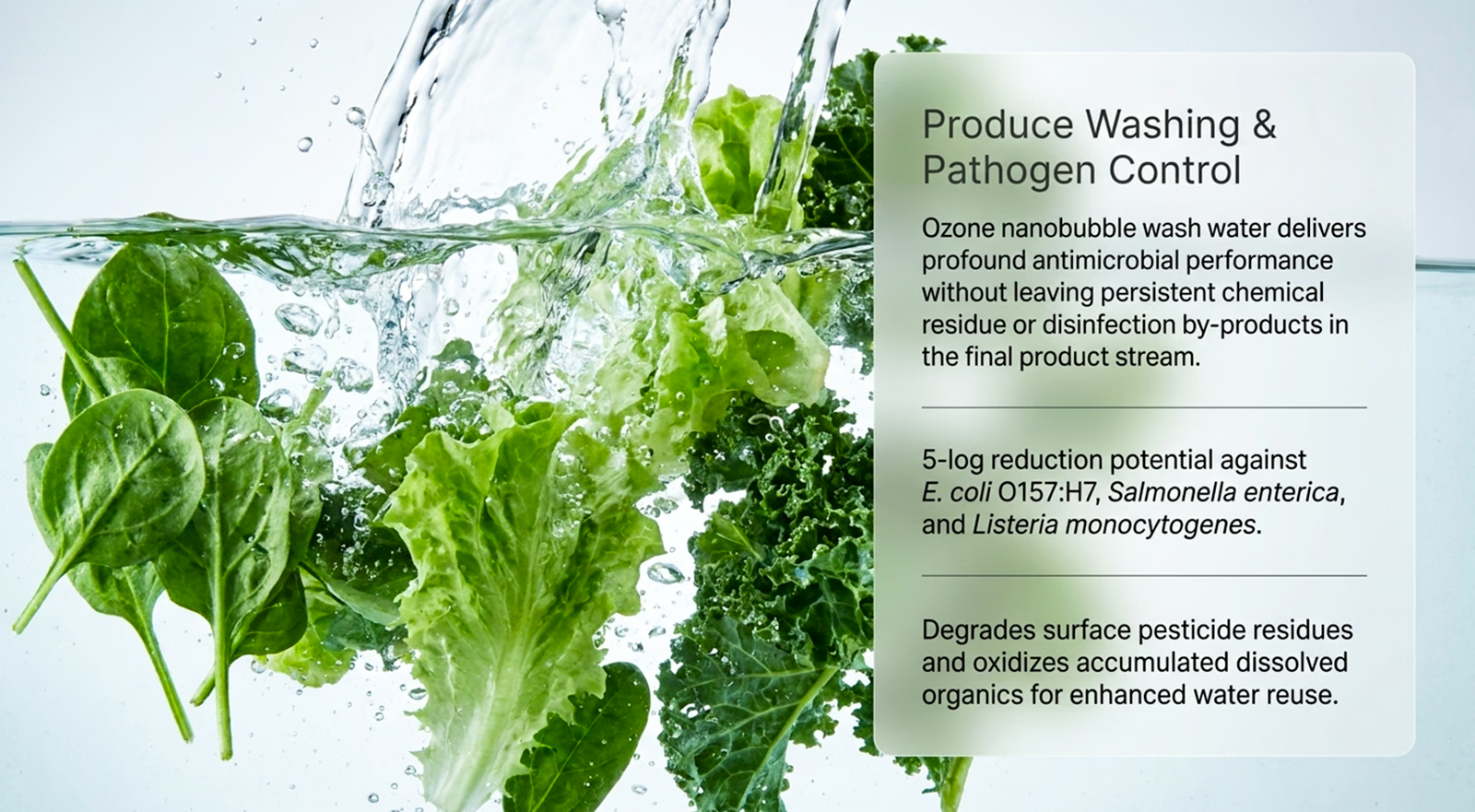
Ozone nanobubble wash water offers a different route. Ozone is a powerful oxidant, and in nanobubble form it can be distributed through the treatment water rather than disappearing quickly from a single contact point. That supports strong antimicrobial performance without leaving persistent chemical residue in the treated product stream.
Published food-safety literature supports strong pathogen-reduction performance for ozone wash water, including 5-log reduction ranges against organisms such as E. coli O157:H7, Salmonella enterica, and Listeria monocytogenes under suitable ozone concentrations and contact times.
The commercial value is broader than sanitation alone. Ozone treatment can also support degradation of certain surface pesticide residues, extend shelf life through lower spoilage load, and improve water reuse by oxidising accumulated dissolved organics in recirculating wash water.
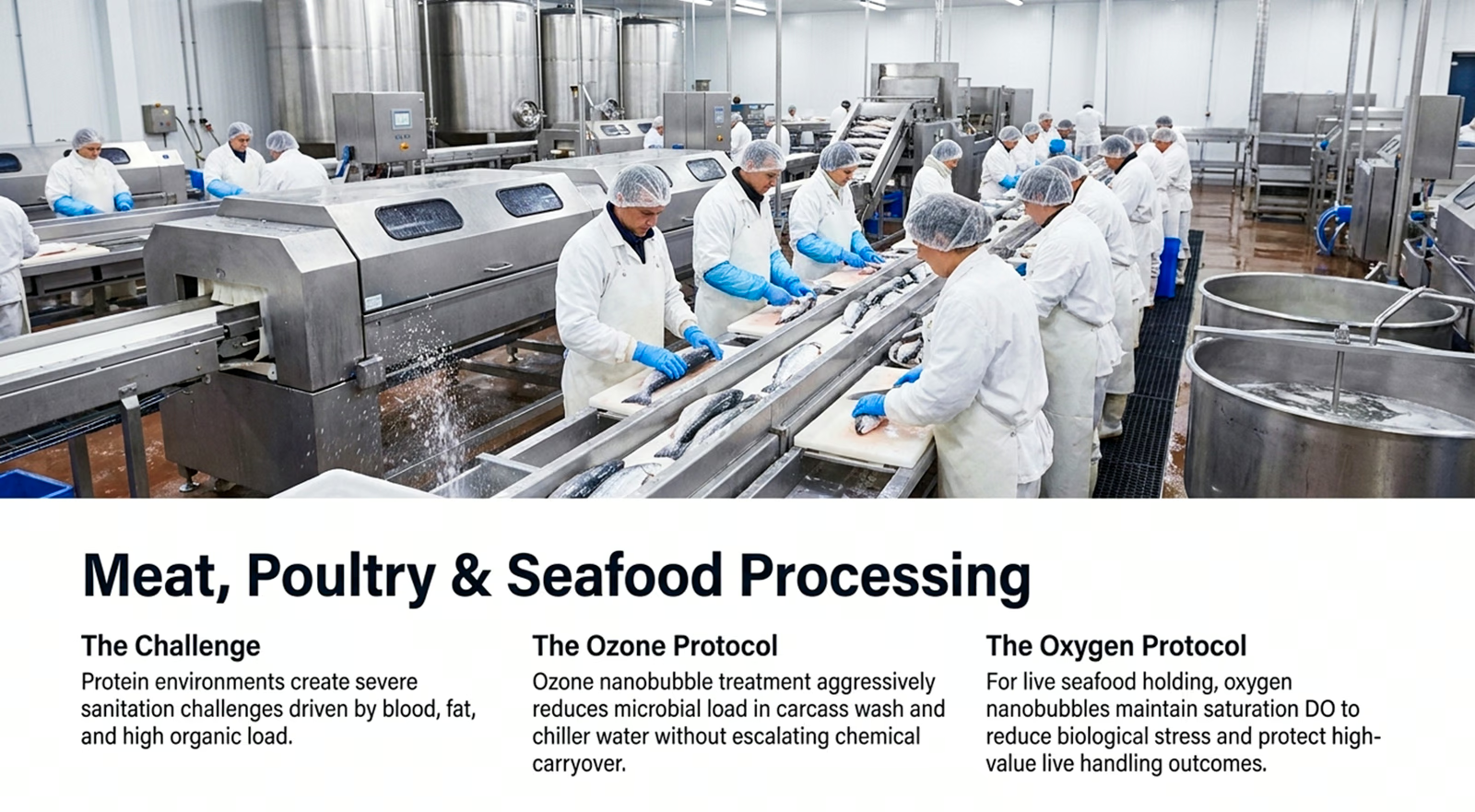
Protein processing environments create a more demanding sanitation challenge because water chemistry is influenced by blood, fat, protein, and high organic load. In these systems, the key objective is reliable pathogen control without creating unnecessary chemical carryover or escalating the wastewater burden.
Ozone nanobubble treatment is relevant to carcass wash water, chiller water, and selected processing-water loops where oxidative sanitation can reduce microbial load and support stronger hygiene control. Campylobacter, Salmonella, E. coli O157:H7, Listeria monocytogenes, and spoilage organisms are all highly sensitive to ozone oxidation under suitable concentration and contact conditions.
For live seafood holding, the role shifts. Ozone is not appropriate for live holding water at pathogen-control concentrations. Oxygen is the relevant gas protocol here, where maintaining saturation DO helps reduce stress, protect quality, and support higher-value live handling outcomes.
Clean-in-place systems are one of the largest recurring water, chemistry, and energy loads inside many food and beverage plants. Improving CIP performance therefore has direct operating value.
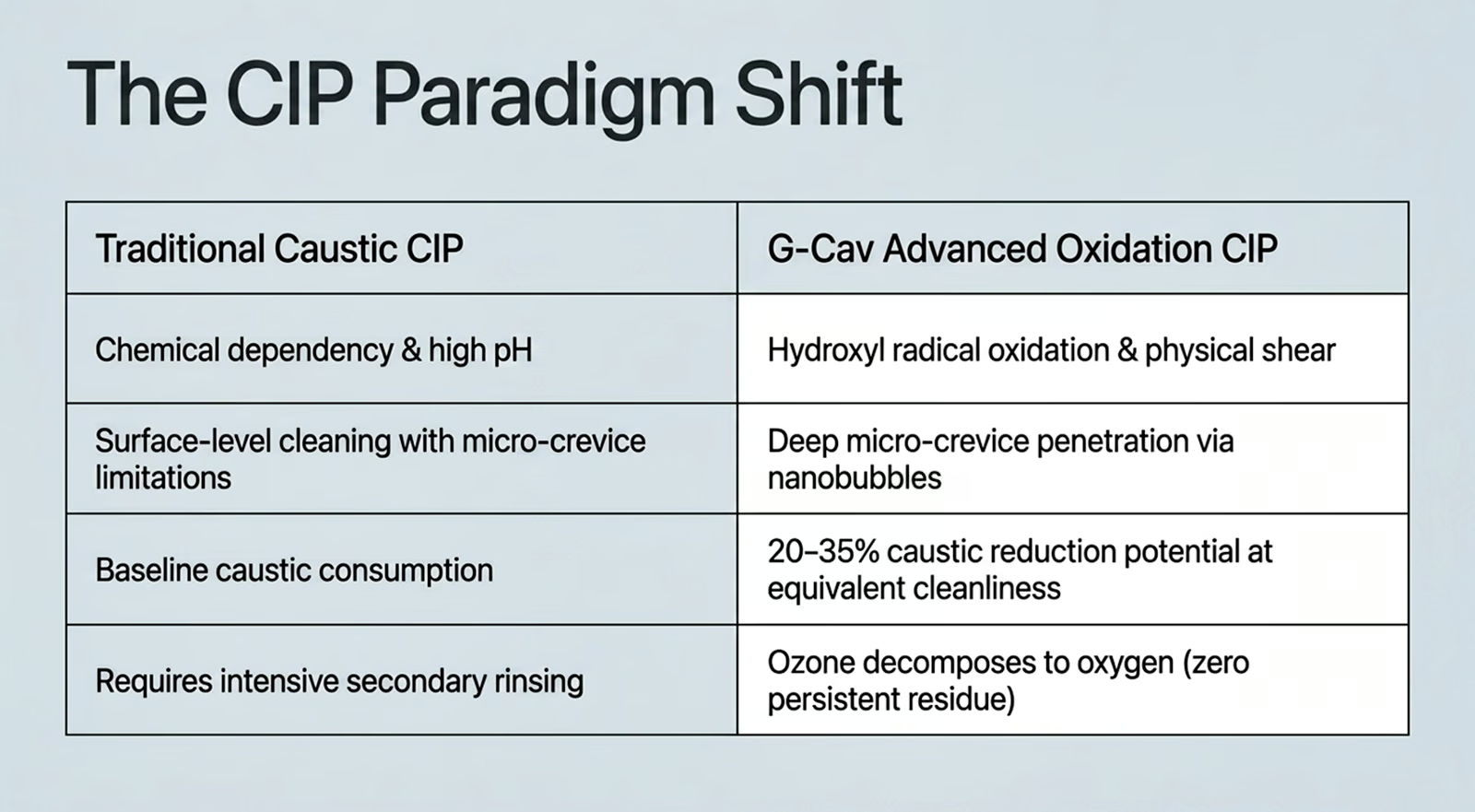
The strongest G-Cav™ CIP application is ozone injection into alkaline caustic recirculation. In high-pH conditions, ozone decomposes into highly reactive oxidation species including hydroxyl radicals. These radicals attack biofilm structure, organic residues, and extracellular polymeric substances more aggressively than caustic alone.
That matters because many CIP constraints are not caused by a lack of chemistry at the skid. They are caused by how difficult it is to maintain effective oxidative action throughout long, complex, or fouled circuits. Nanobubble delivery strengthens that distribution story by dissolving gas into the circulating fluid with very high efficiency and carrying that oxidative potential deeper through the loop.
The operational result can include stronger cleaning efficacy, more reliable biofilm disruption, reduced sanitiser dependence, and, in suitable protein-heavy applications, meaningful caustic reduction potential.
Dairy is one of the most commercially attractive subsets of this vertical because CIP intensity is high, protein fouling is stubborn, and chemical spend is material. Heated surfaces, pasteurisers, homogenisers, separators, and spray-dryer systems all accumulate soils that are difficult to remove consistently with chemistry alone.
In these environments, the combination of caustic cleaning and ozone-driven advanced oxidation becomes particularly relevant. Denatured protein films and biofilm matrices are among the deposits most responsive to this type of treatment logic.
Published advanced oxidation literature applied to dairy CIP supports the case for 20–35% caustic reduction potential at equivalent cleanliness in suitable protein-fouled systems. That is a commercially meaningful range because even modest reductions in chemistry, rinse load, and cycle time compound quickly in large dairy operations.
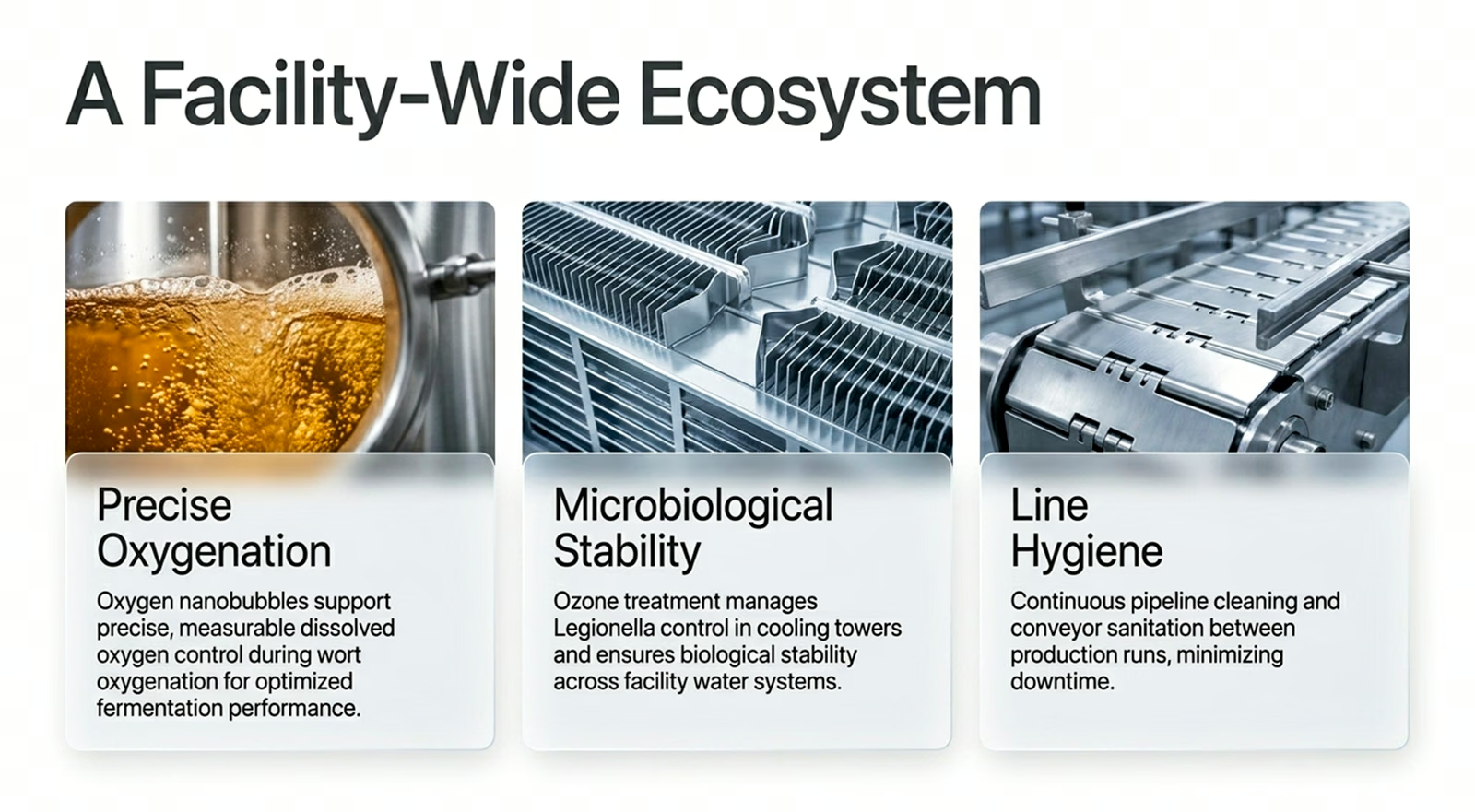
Beverage production presents a more specialised set of opportunities. In breweries, oxygen nanobubble injection can support precise dissolved oxygen control during wort oxygenation at yeast pitching, where fermentation performance depends on reliable, measurable oxygen addition.
Ozone treatment is also relevant to brewery process water, vessel hygiene, and CIP systems where microbial management and chemical reduction are priorities.
In wineries, oxygen handling requires far more discipline. Controlled oxygenation during active fermentation may be useful when linked to direct dissolved oxygen monitoring and clear process control, but general oxygenation without measurement is not appropriate in wine production. Ozone treatment is more straightforward for grape wash water, winery sanitation, and selected equipment-cleaning applications.
Distilleries can benefit through process-water improvement, sanitation support, and the oxidation of high-strength stillage or wash-water organics before downstream treatment.
The beverage segment also presents longer-range opportunities around extraction and process modification, but those is site-specific pilot pathways rather than universal production claims.
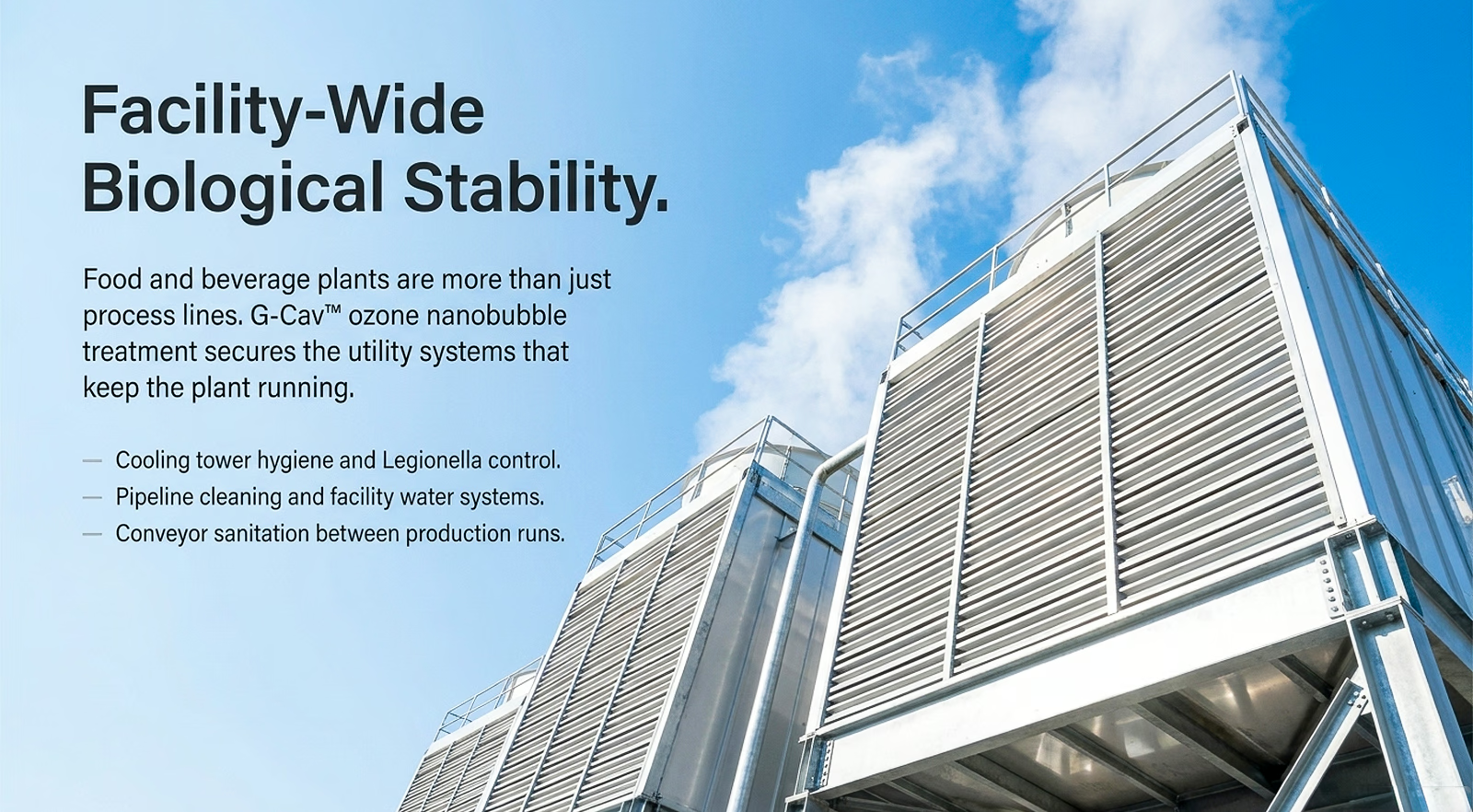
Food and beverage plants are not just process lines. They are also utility systems, cooling circuits, conveyor surfaces, side streams, and reuse loops where microbiological stability matters.
Ozone nanobubble treatment can support cooling tower hygiene, Legionella control, pipeline cleaning, conveyor sanitation between production runs, and better biological stability in facility water systems.
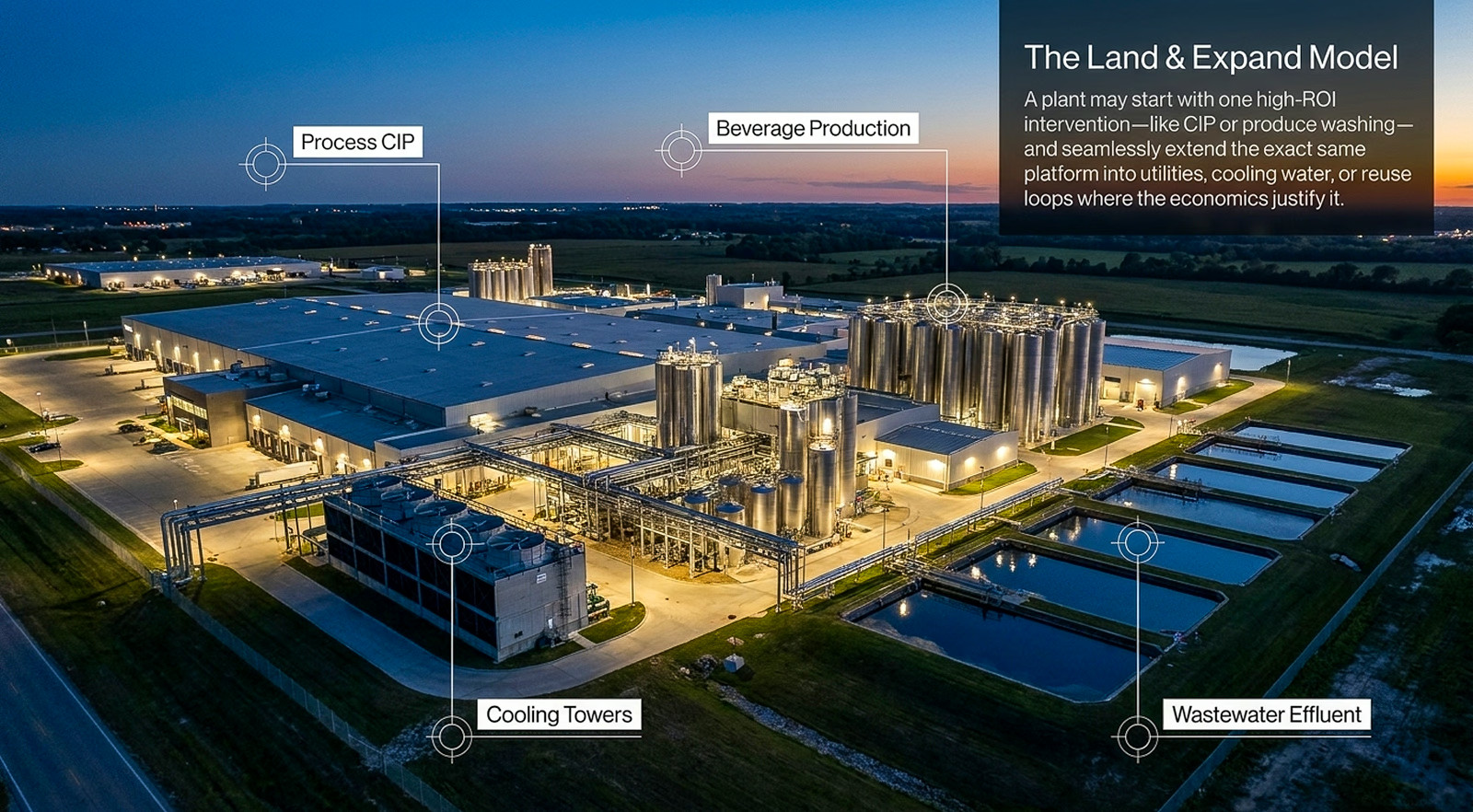
This is commercially important because it turns G-Cav™ from a one-point intervention into a facility-wide process improvement platform. A plant may start with produce washing or CIP, then extend the same platform into utilities, cooling water, or reuse where the economics justify it.
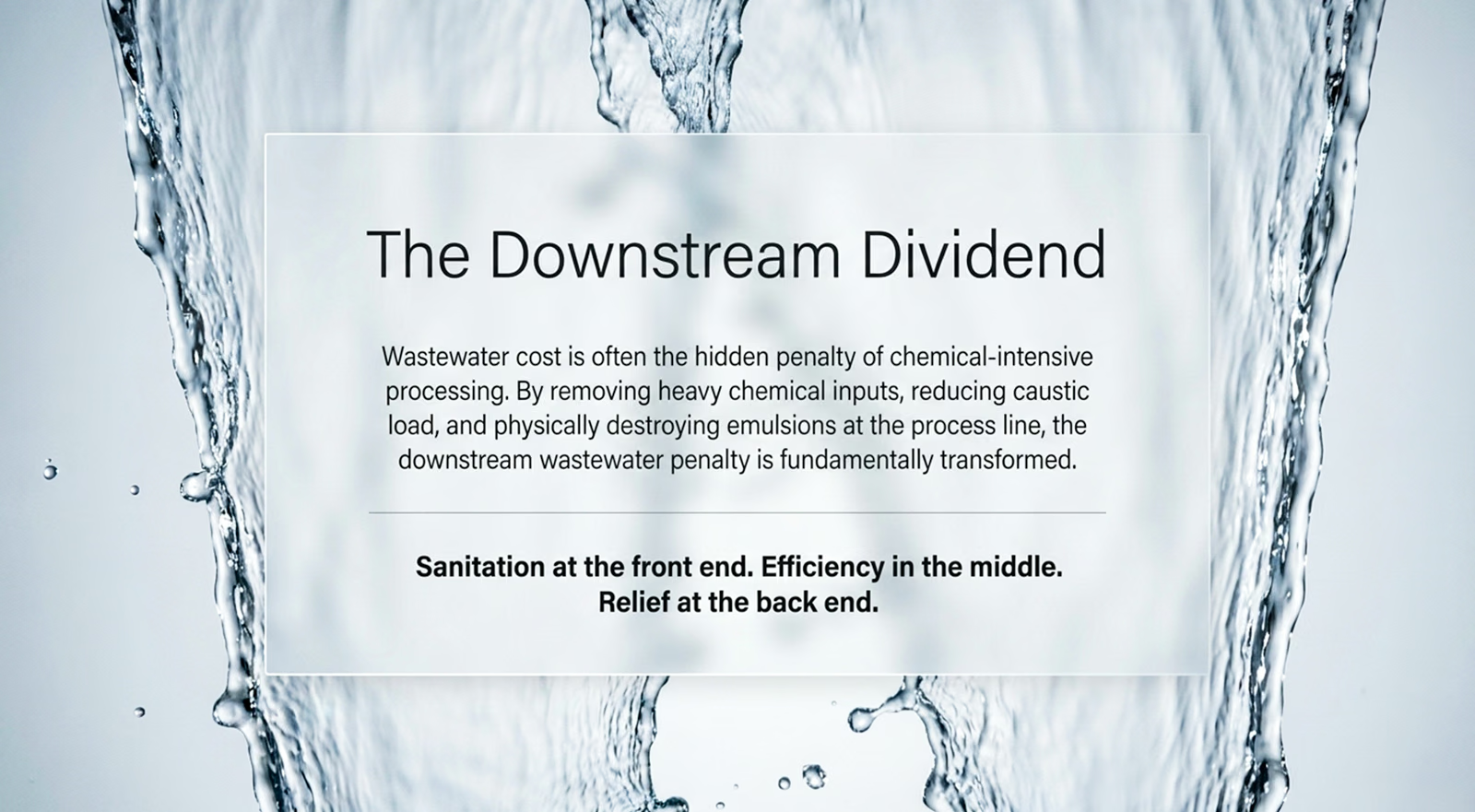
One of the strongest underappreciated advantages of lower-chemical sanitation and CIP enhancement is what happens downstream. Less chlorine-based chemistry and lower chemical load can mean easier effluent handling, fewer discharge complications, and a cleaner wastewater profile.
That matters because wastewater cost is often real but poorly communicated inside plants. A sanitation or CIP upgrade that also lightens the downstream treatment burden is more valuable than a solution that improves one department while making another more expensive.
This makes G-Cav™ relevant across the full plant logic: sanitation at the front end, process efficiency in the middle, and reduced wastewater burden at the back end.
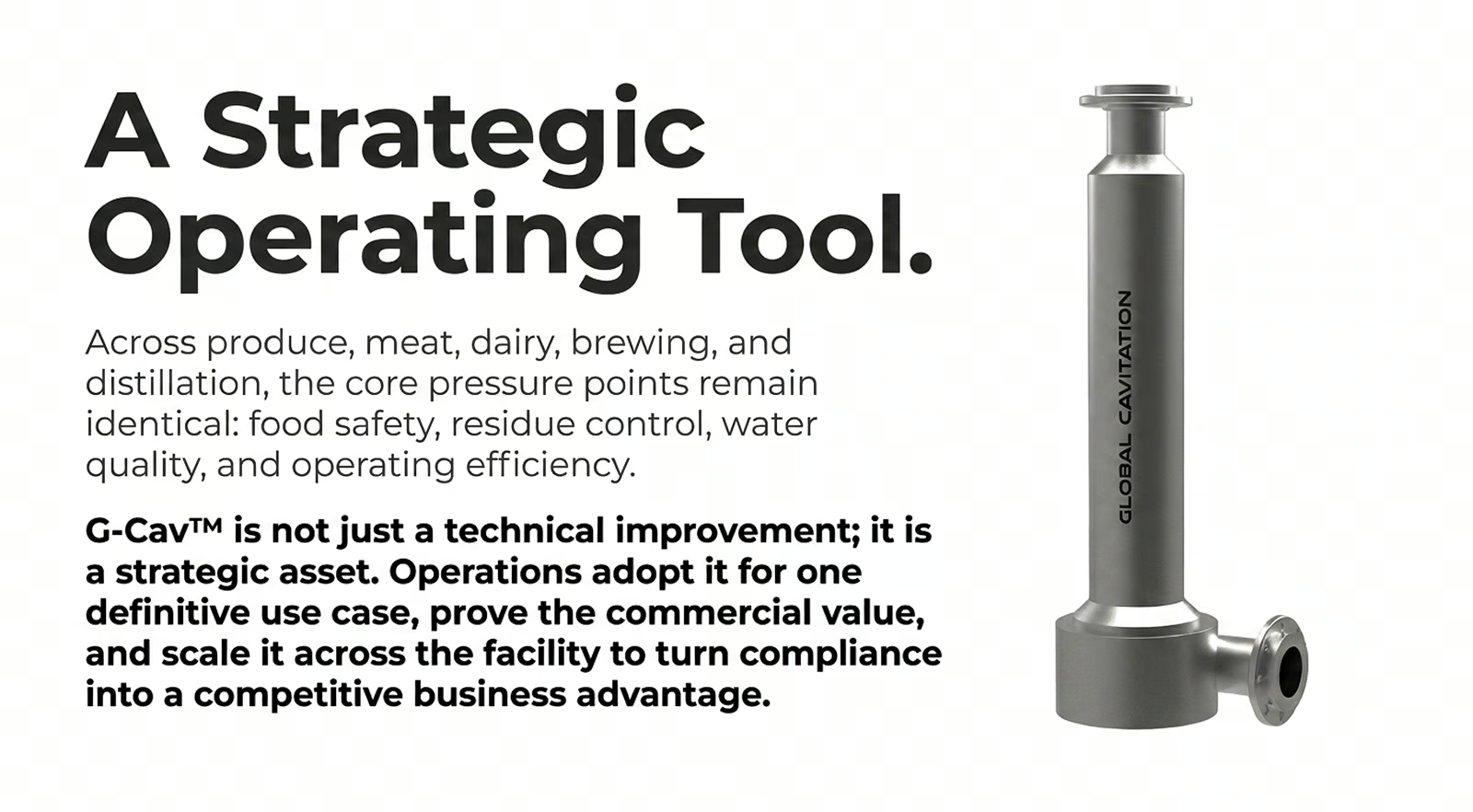
Food and beverage is a strong platform vertical because it contains multiple deployment points inside one facility and multiple sub-markets inside one territory. Produce, meat, poultry, dairy, brewing, wineries, distilleries, ingredient processing, and hygiene-critical manufacturing all share the same broad pressure points: food safety, residue control, water quality, compliance, and operating efficiency.
That means the platform can be sold not only as a technical improvement, but as a strategic operating tool. Plants can adopt it for one use case and expand into others once value is established.
Food and beverage is a commercially attractive vertical inside the broader Global Cavitation platform because it combines strong regulatory drivers, measurable operating cost, high hygiene standards, and multiple applications within the same customer environment.
For the right licensing partner, that breadth matters. One territory can contain multiple distinct sub-markets, all accessible through the same core story: chemical-free sanitation, advanced oxidation, process water quality, and operational efficiency.
That makes Food & Beverage more than a single industry opportunity. It becomes a practical, repeatable licensing pathway in markets where compliance and water quality are already core business issues.
G-Cav™ is positioned as a plant-wide process platform for sanitation, CIP enhancement, process water quality, utilities, and wastewater improvement. It can utilise ozone and oxygen nanobubble options to improve food safety performance, reduce chemical dependency, and strengthen operating efficiency.
Ozone is the primary gas for sanitation, oxidation, and CIP enhancement. It is positioned for applications such as produce washing, plant hygiene, oxidative cleaning support, and water-quality improvement where strong sanitation performance is required without lasting chemical residue.
Oxygen is used where dissolved oxygen management is commercially useful, including selected beverage-production processes and seafood holding-water applications. It is not the primary sanitation gas, but it can play an important role in process-specific oxygen management.
Yes. One of the core positions in this sector is CIP enhancement. The platform is presented as strengthening oxidative cleaning pathways and improving cleaning performance across hygiene-critical plant environments.
Food and beverage plants are under pressure to improve hygiene, reduce chemical dependence, protect throughput, and lower wastewater burden at the same time. G-Cav™ is positioned as valuable because it can support multiple treatment points inside the same facility rather than solving only one isolated problem.