
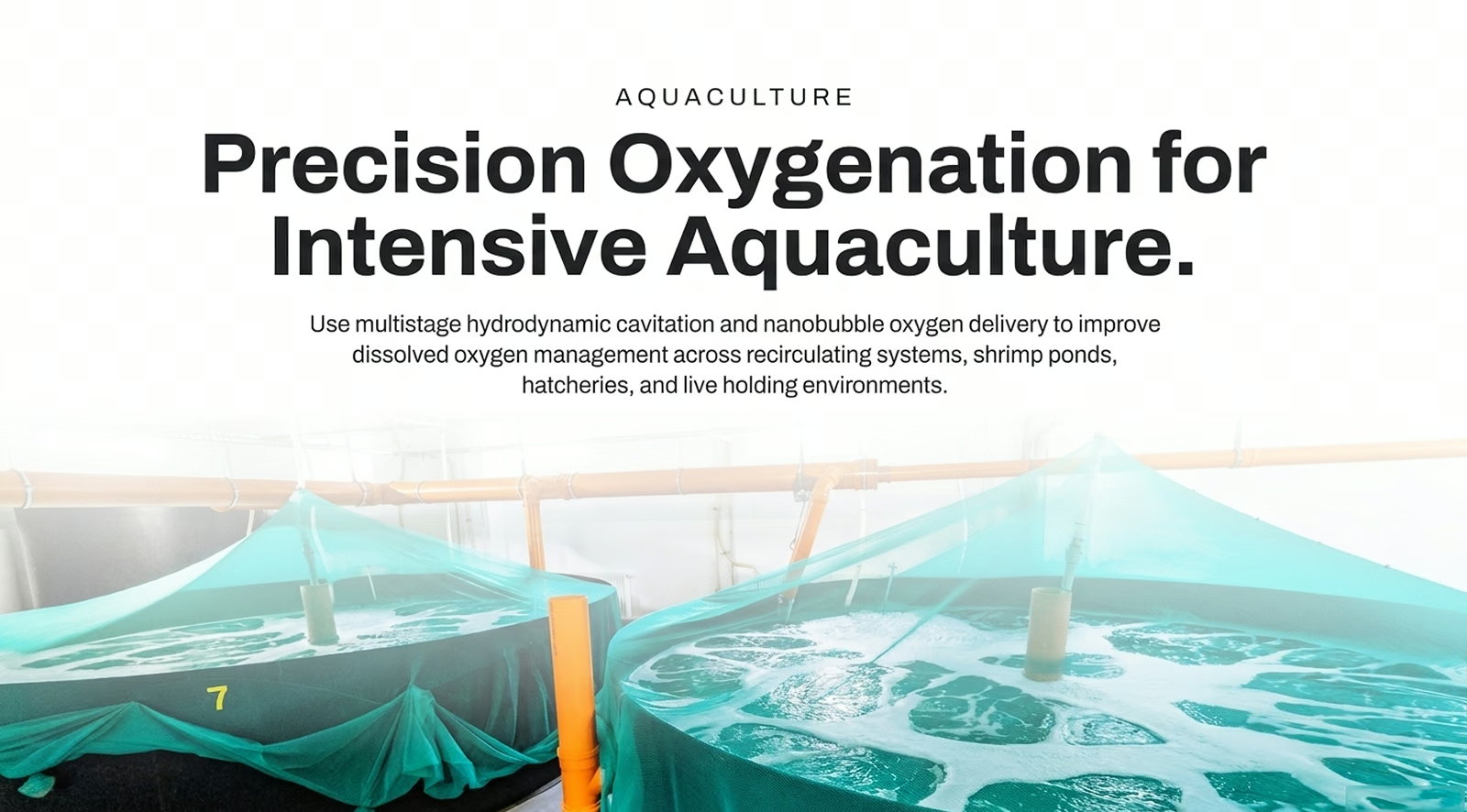
Use multistage hydrodynamic cavitation and nanobubble oxygen delivery to improve dissolved oxygen management across recirculating aquaculture systems, shrimp ponds, hatcheries, broodstock units, and live holding environments.
In intensive aquaculture, dissolved oxygen is one of the most important production variables in the system. It influences growth, survival, feed conversion, disease pressure, water quality stability, and the operating headroom available under peak biomass loading. G-Cav™ is designed to improve how oxygen is delivered, retained, and used in real production water, especially under the conditions where conventional aeration begins to struggle.
Commercial aquaculture operates in a constant tension between stocking density, feed rate, biomass growth, and the biological oxygen demand those inputs generate. The economics of intensive production push systems toward higher density and greater feeding intensity, yet those same conditions also increase waste generation, accelerate oxygen consumption, and the risk of dissolved oxygen shortfall.
When dissolved oxygen is unstable or poorly distributed, the consequences appear quickly. Growth slows, feed conversion worsens, biological stress rises, susceptibility to pathogens increases, and mortality risk becomes more difficult to control. In intensive systems, oxygen failure is not only a husbandry issue. It is a direct commercial risk.
The greatest problems tend to emerge during predictable stress windows: peak biomass loading, elevated water temperature, overnight respiration in pond systems, and periods when incoming or recirculating water is already oxygen-deficient. In those conditions, conventional infrastructure often struggles to maintain reliable saturation.
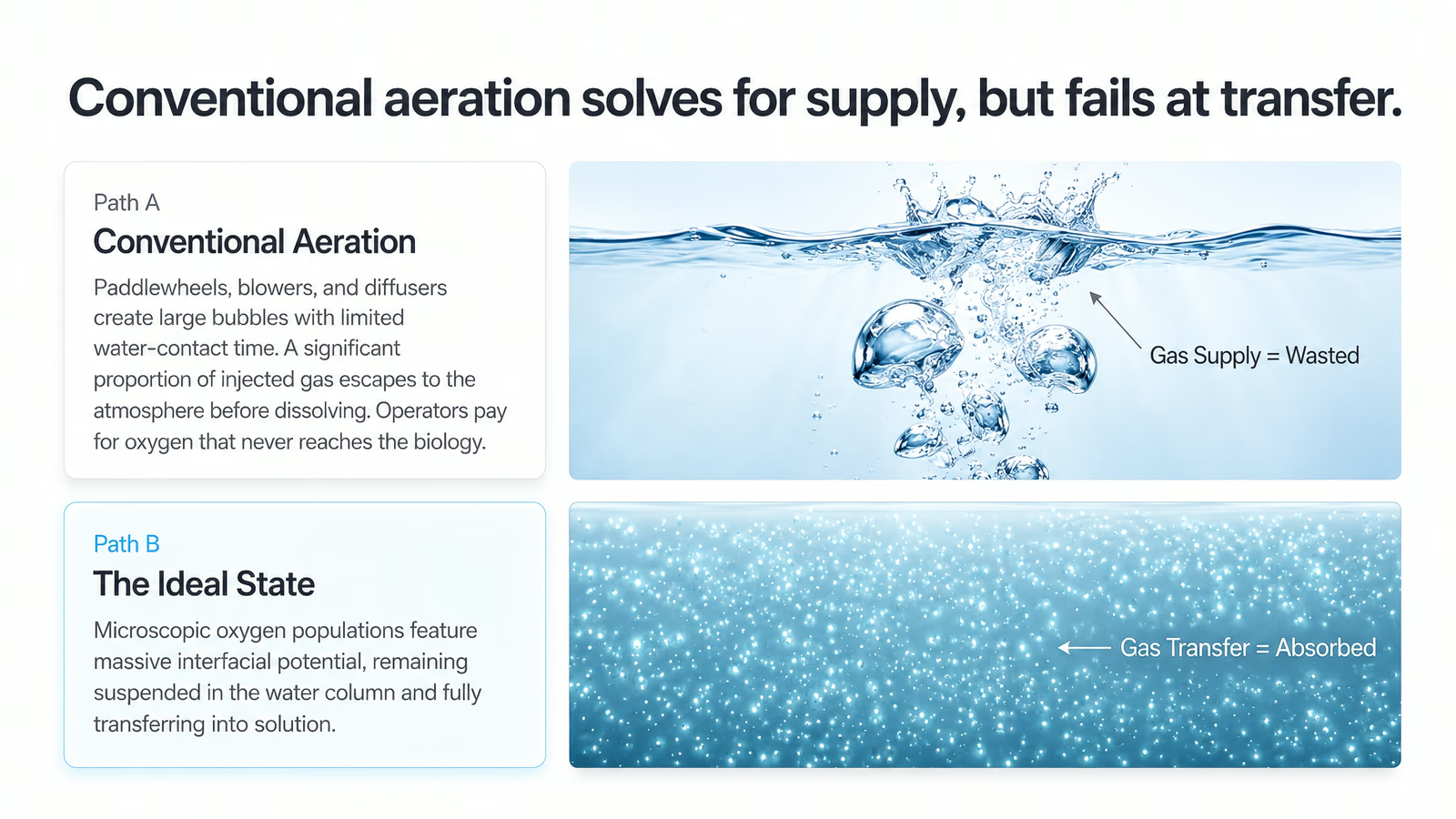
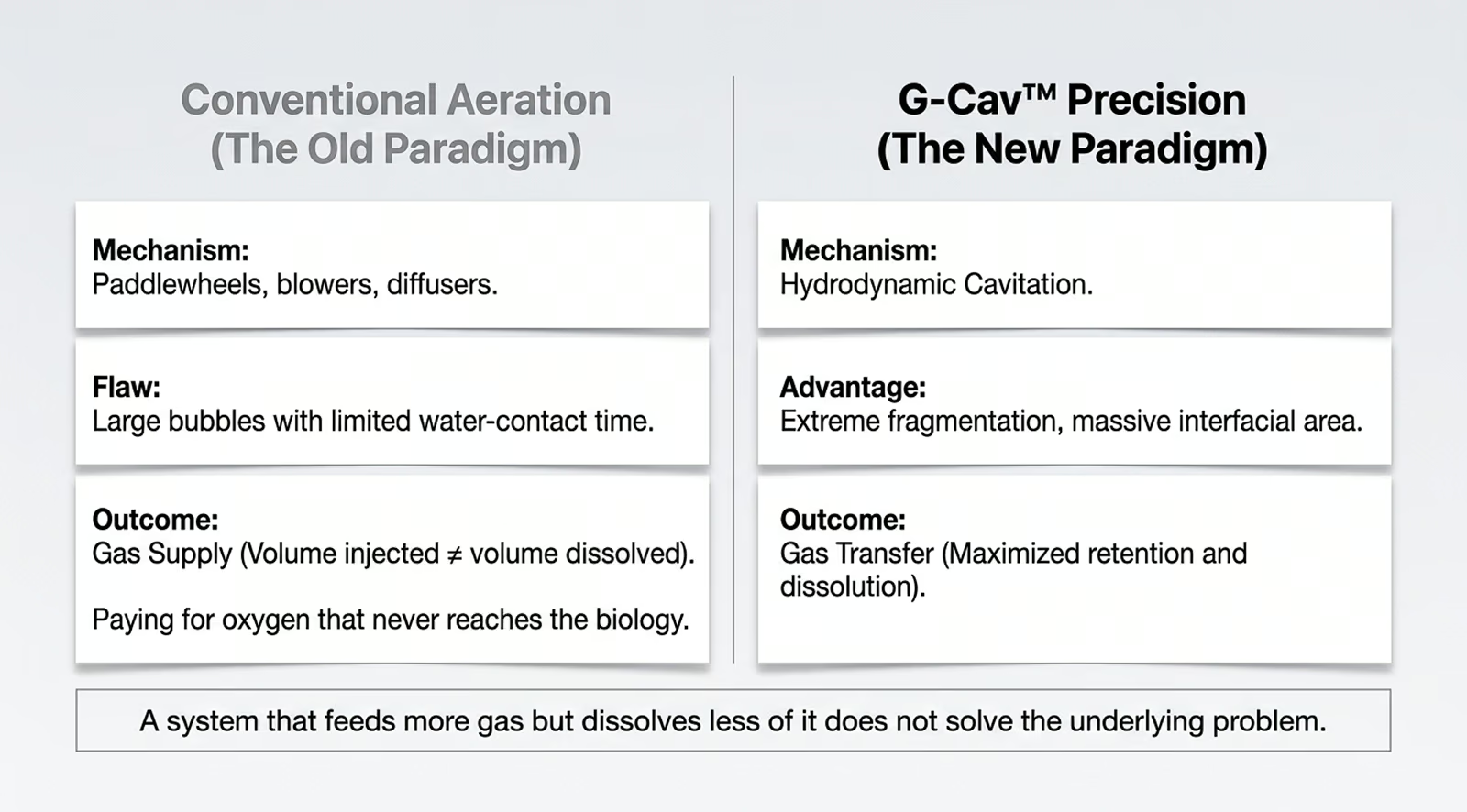
Paddlewheels, diffusers, blowers, and venturi injectors can still play a useful role in bulk aeration. The problem is that their physical mechanism creates relatively large bubbles with limited water-contact time. That means a significant proportion of injected gas can be lost before it is dissolved into the water.
Where a large share of purchased oxygen escapes before dissolving, operators are paying for oxygen that never reaches the biology. That inefficiency becomes more painful as production intensity, oxygen price, and temperature-related stress all increase.
The real challenge is not simply oxygen supply. It is oxygen transfer. A system that feeds more gas but dissolves less of it does not solve the underlying problem.
G-Cav™ approaches dissolved oxygen as a gas-transfer and fluid-processing problem rather than only as a gas-supply problem. The platform uses vortex-induced multistage hydrodynamic cavitation to fragment injected oxygen into extremely fine bubble populations with very high interfacial potential. That changes how oxygen behaves in water and how efficiently it is transferred into solution.
The underlying reactor design matters. Successive implosion chambers intensify cavitation effects within a flowing liquid stream, progressively breaking down entrained gas and dramatically increasing available surface area for dissolution. In aquaculture, the result is not just more mixing. It is oxygen transferred into water at a very different level of efficiency than conventional coarse-bubble methods.
Better dissolution means more dissolved oxygen delivered per unit of gas. Better transfer means fewer oxygen hotspots near the point of injection and fewer low-oxygen zones elsewhere in the tank, raceway, or pond. Better control means more confidence during feeding peaks, overnight troughs, larval development windows, and transport events.
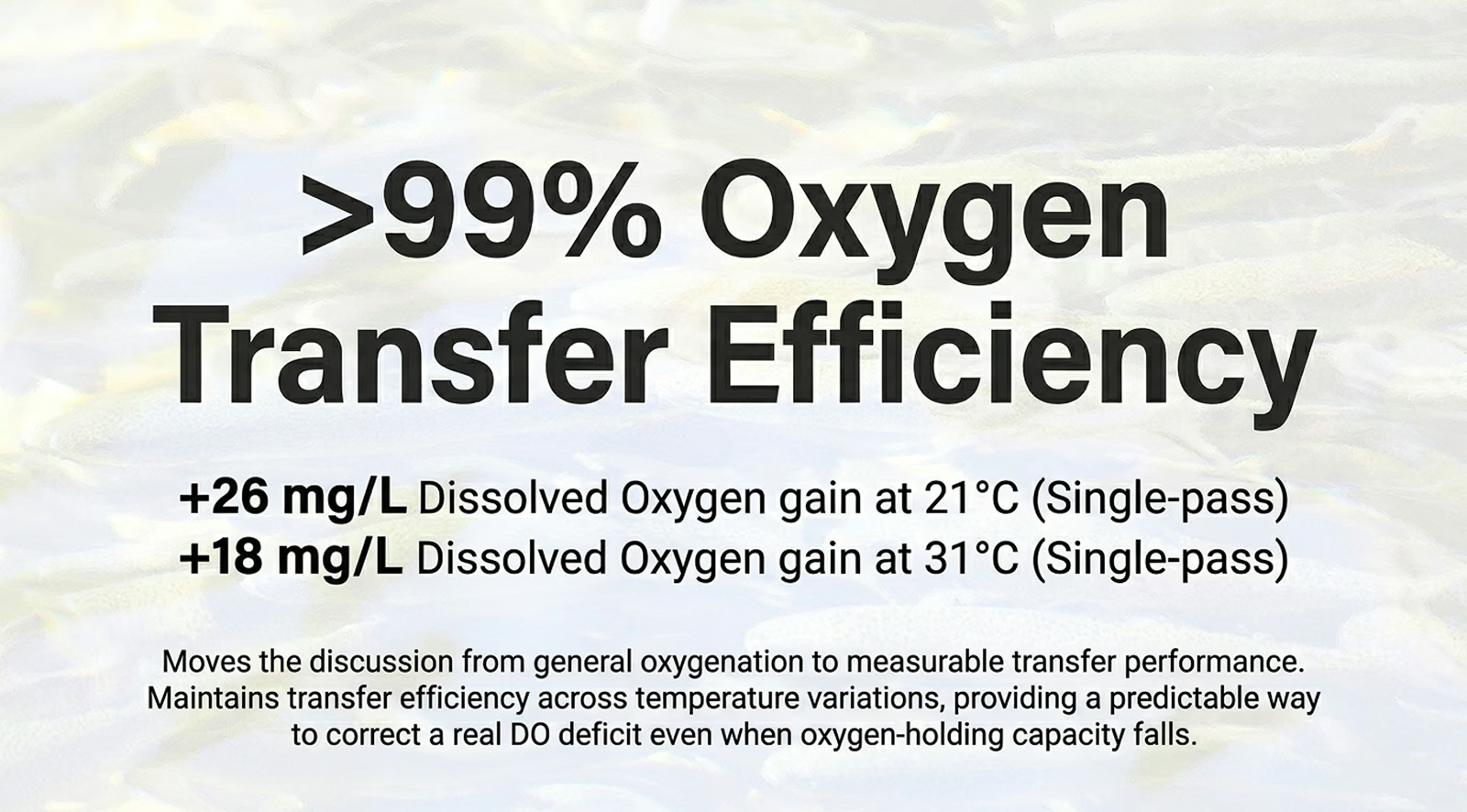
Controlled testing has shown very high oxygen transfer efficiency, including greater than 99% oxygen transfer efficiency across operational temperatures, with single-pass dissolved oxygen gains of approximately 26 mg/L at 21°C and 18 mg/L at 31°C.
Those figures matter because they move the discussion from general oxygenation to measurable transfer performance. In practical terms, they support a simple commercial message: more of the oxygen being purchased is dissolved into the water instead of being lost to the atmosphere.
Temperature performance is strategically important as well. In warm-water aquaculture, production stress rises at the same time oxygen-holding capacity falls. A system that maintains transfer efficiency across temperature variation gives operators a more predictable way to calculate and correct a real dissolved oxygen deficit.
The strongest aquaculture proposition is not supersaturation for its own sake. It is precision saturation delivery. Aquaculture systems require reliable dissolved oxygen control without the instability or biological risk associated with overshoot.
G-Cav™ is best positioned as a precision top-up and control platform. Existing aeration infrastructure can continue to provide bulk oxygenation, while G-Cav™ closes the gap between what conventional systems are delivering and what the biology actually requires.
That makes the platform commercially realistic. It does not ask operators to discard existing infrastructure. It allows them to strengthen the oxygen system they already have and target the exact performance gap that is limiting production.
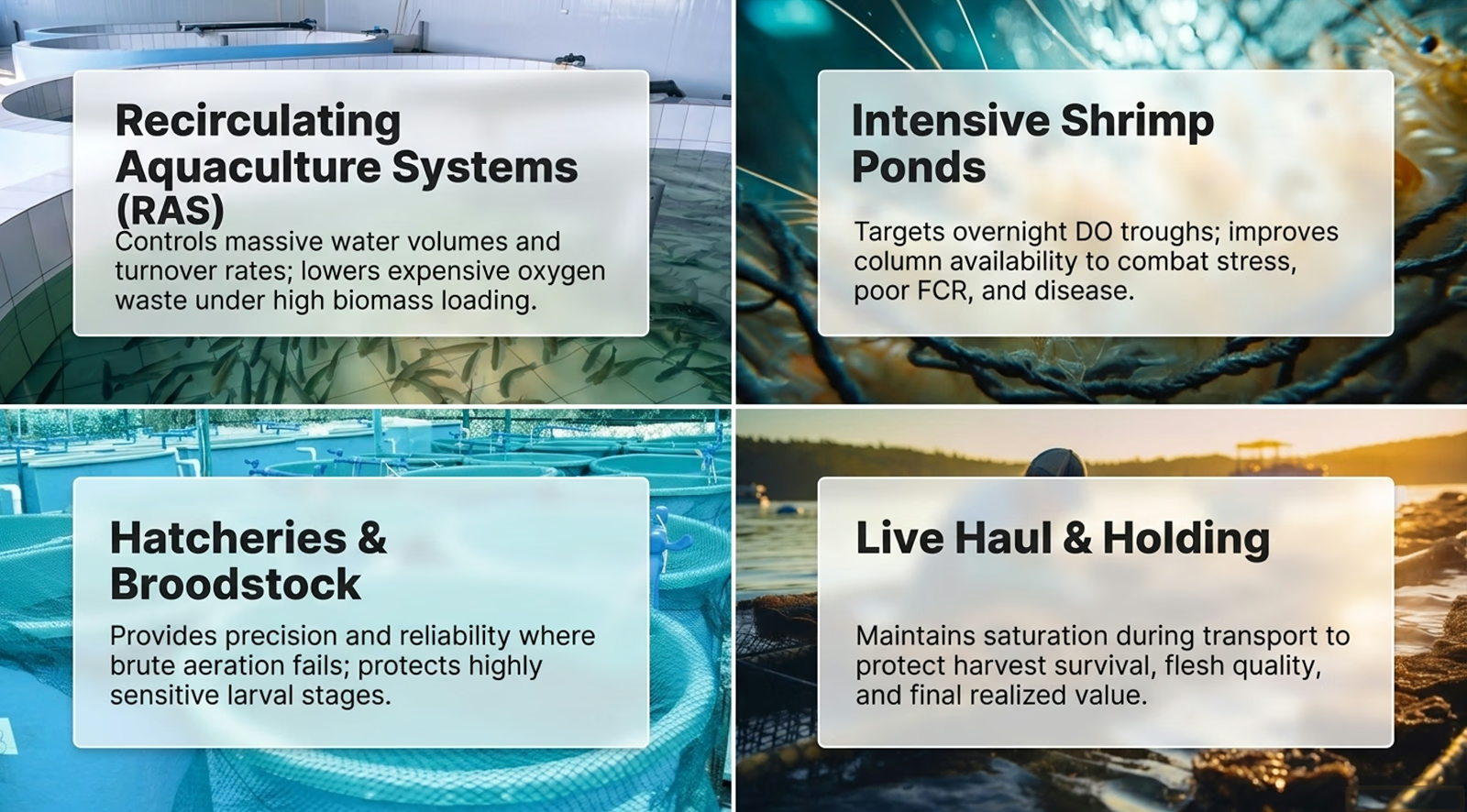
Recirculating aquaculture systems are one of the strongest application environments. In RAS, water volumes are controlled, turnover rates are known, and oxygen economics are measurable. Under high biomass loading, dissolved oxygen becomes one of the most expensive and operationally critical variables in the loop. G-Cav™ can be integrated into recirculating flows to support reliable saturation, lower oxygen waste, and maintain stronger production stability at density.
Intensive shrimp production is another high-value use case. In shrimp ponds, overnight dissolved oxygen troughs are closely linked to stress, inconsistent growth, higher feed conversion, and disease pressure. G-Cav™ supports a more targeted oxygen-delivery pathway that can complement paddlewheels and improve oxygen availability through the water column during the hours when risk is highest.
Hatcheries and broodstock systems represent smaller volumes but much higher biological and economic sensitivity. In larval and broodstock environments, even brief oxygen instability can have serious consequences. G-Cav™ is well suited to these systems because precision and reliability matter more than brute aeration volume.
Live haul, live holding, and harvest handling also fit the platform well. Maintaining saturation during transport and holding can directly affect mortality, flesh quality, stress level, grading, and final realised value.
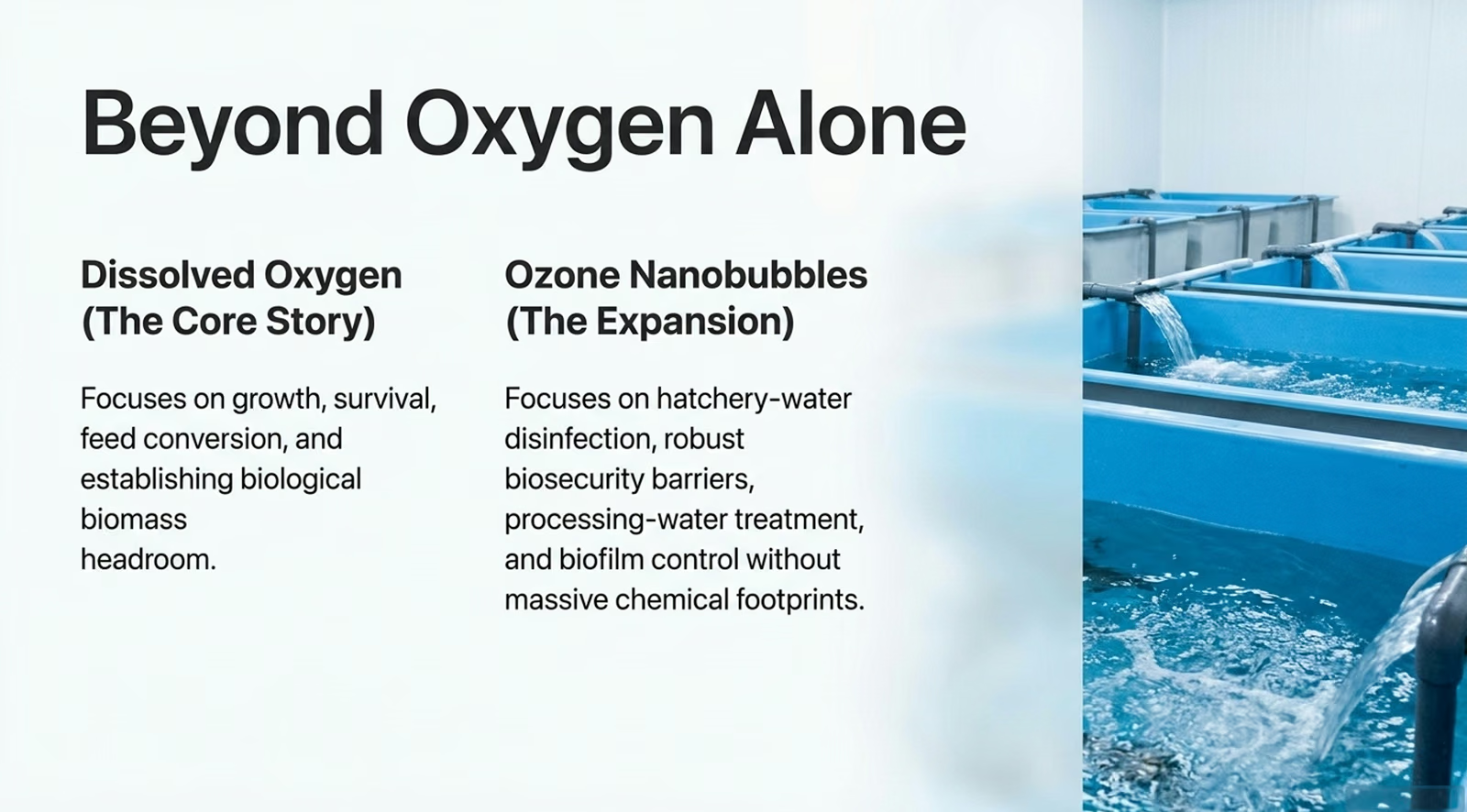
Although oxygen delivery is the core of the aquaculture story, the platform can also support broader water-quality management where the operating environment demands it. Ozone nanobubble use can support hatchery-water disinfection, biosecurity barriers, and processing-water treatment where hygiene, pathogen pressure, and biofilm control have commercial consequences.
That broader capability matters because it shows aquaculture is not only about one oxygen device. It is about a process platform that begins with dissolved oxygen management and can extend into sanitation and water-quality optimisation where those functions create operational value.
The aquaculture business case needs to be explicit. Dissolved oxygen is not just a welfare parameter. It is a cost line, a risk line, and a quality line.
The most direct economic drivers are oxygen procurement efficiency, improved survival, improved feed conversion, reduced dependence on wasteful bulk aeration, lower stress-related loss, and more stable production outcomes at higher biomass. In high-value systems, even modest improvement in mortality or feed conversion can produce a meaningful financial result.
If more oxygen is dissolved into the water with less waste, and if that oxygen is delivered in a more controllable way during peak-demand windows, the result is not simply better water chemistry. It is stronger production economics across the cycle.
G-Cav™ is designed to work with existing infrastructure rather than forcing a full capital reset. Existing paddlewheels, blowers, and diffuser systems can remain in place and continue to provide bulk aeration. G-Cav™ can then be installed inline on recirculation loops, return flows, or dedicated top-up circuits to correct the dissolved oxygen shortfall conventional aeration cannot eliminate reliably.
That integration logic reduces adoption friction. It allows operators to improve the oxygen system they already own rather than replacing everything. It also makes pilot deployment more practical, because the platform can be introduced as a measurable enhancement pathway rather than an all-or-nothing infrastructure decision.
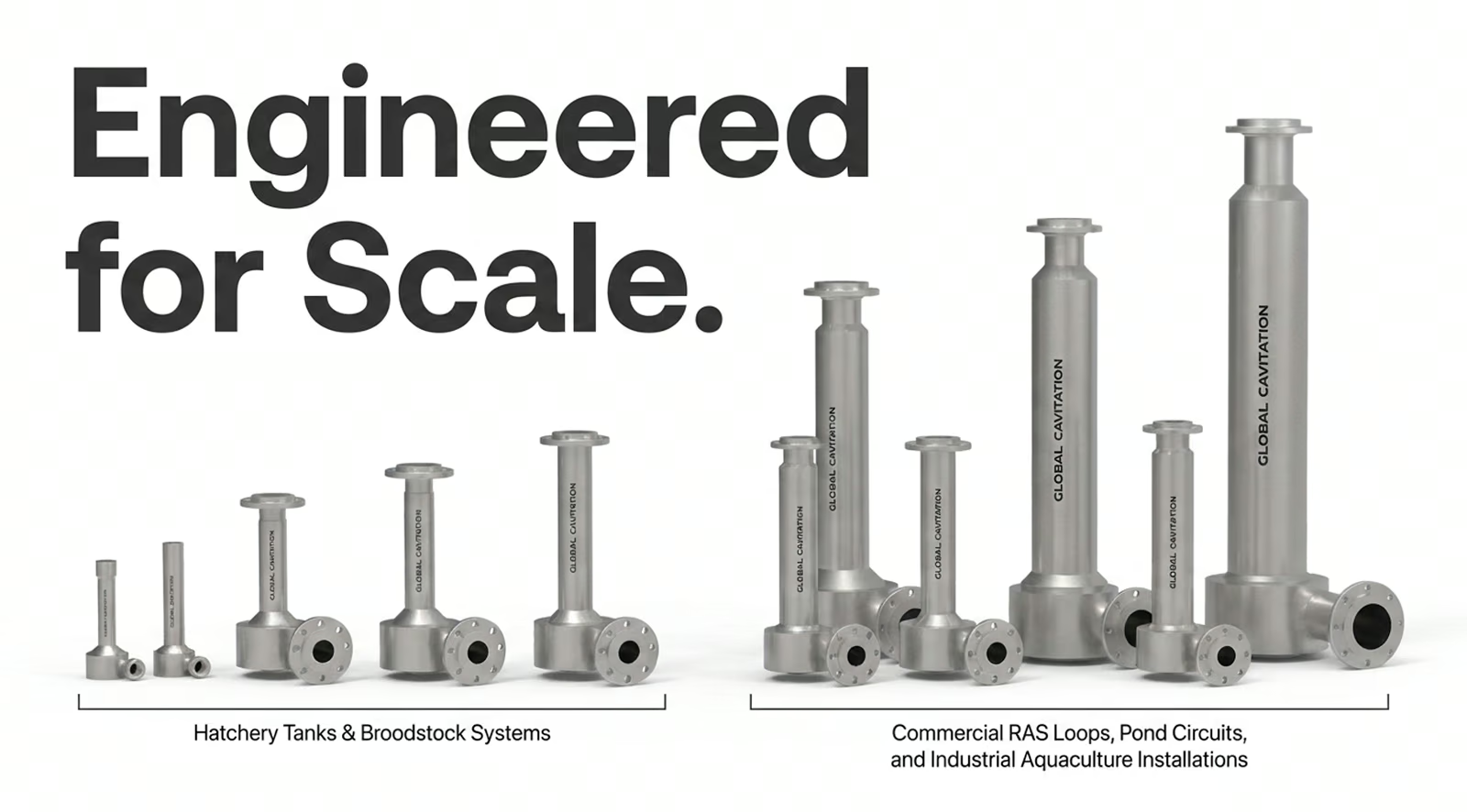
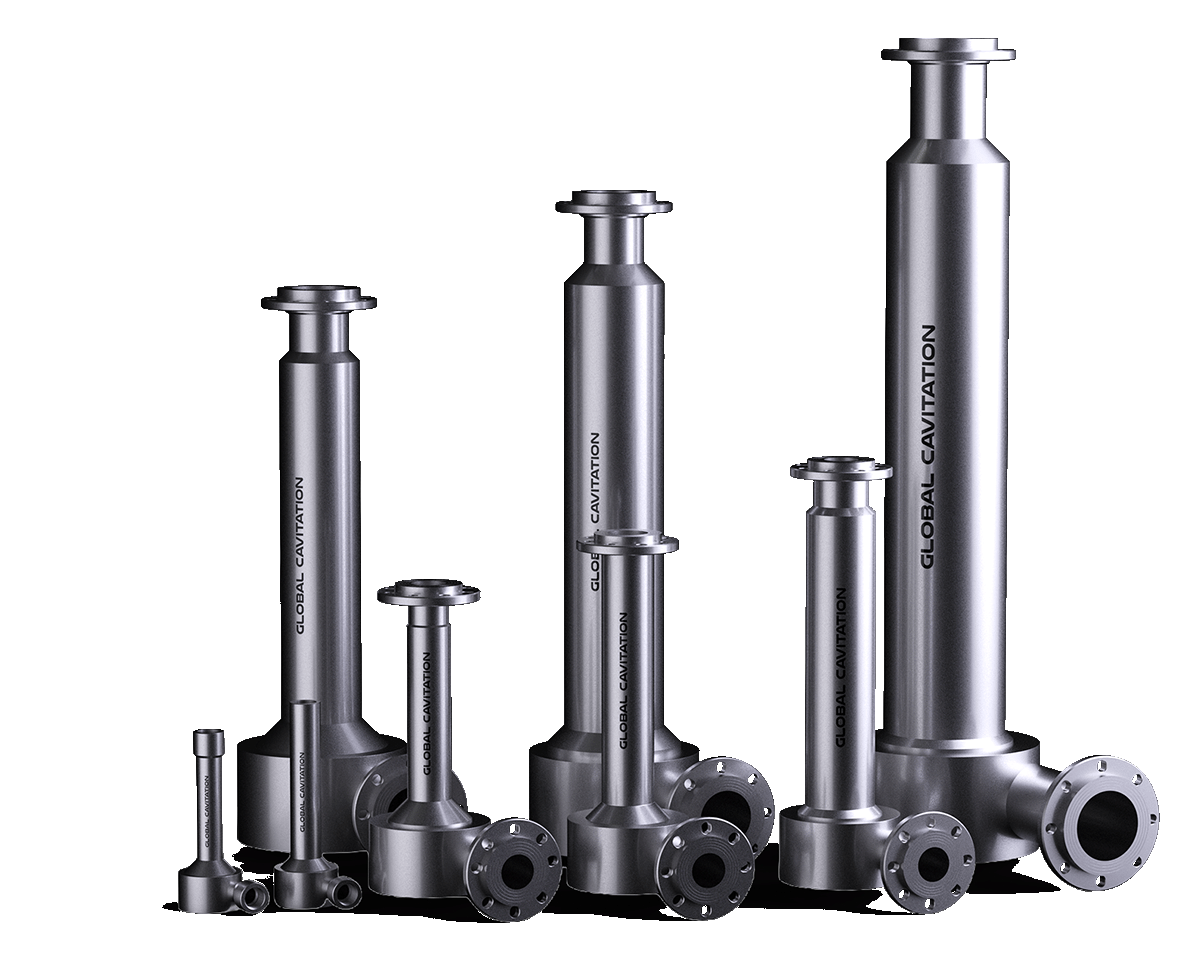
The G-Cav™ series scales from smaller units suited to hatchery tanks and broodstock systems through to much larger units suited to commercial RAS loops, pond circuits, and industrial aquaculture installations.
That range matters because it reinforces the idea that aquaculture is not a niche demonstration vertical. It is a scalable commercial sector within the broader platform. The same underlying cavitation logic can be applied at small, high-value biological stages or at much larger operational scales depending on flow, turnover, and dissolved oxygen requirement.
Aquaculture is a very strong licensing vertical within the Global Cavitation platform because the value proposition is globally relevant, operationally measurable, and easy to connect to real production outcomes. Every serious aquaculture system depends on dissolved oxygen. Every region with fish, shrimp, hatchery, or live-holding operations already understands the cost of getting oxygen wrong.
That makes aquaculture a natural entry point for regional partners. A licensing partner with access to fish farming, shrimp production, shellfish hatcheries, transport systems, or live-holding networks can build a commercially meaningful market around this vertical. Increasing customer contact and market penetration also affords opportunity to upsell other product and expertise from the same discussion.
G-Cav™ should be assessed not only as an oxygenation technology, but as a broader aquaculture deployment platform with strong operational logic and strong regional licensing potential.
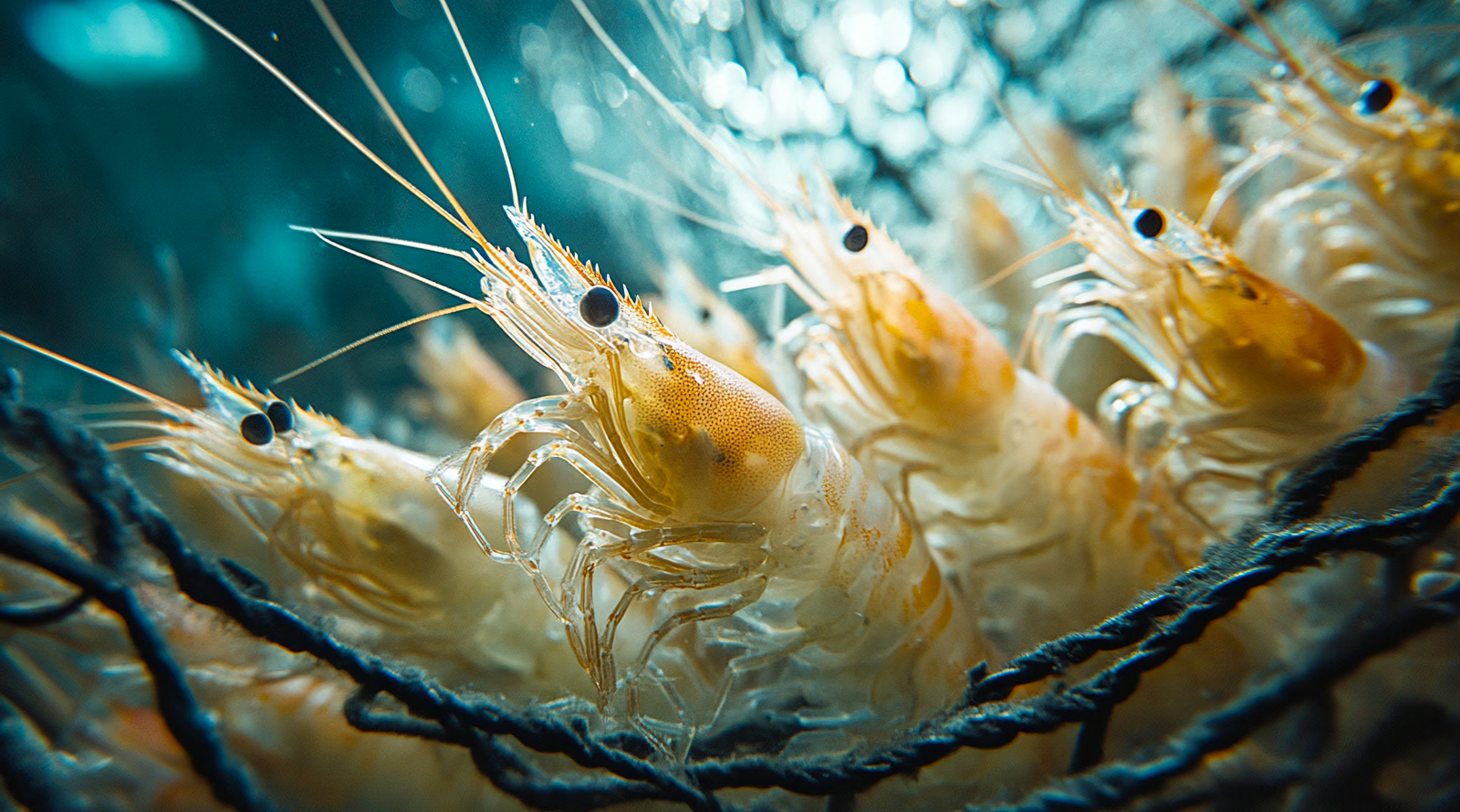
Conventional systems such as paddlewheels, blowers, diffusers, and venturi injectors create larger bubbles with short contact time, so a significant share of the oxygen (only 21% of air anyway) can escape before dissolving. G-Cav™ uses multistage hydrodynamic cavitation to create far finer gas structures, ensuring the oxygen is dissolved, and making sure the oxygen gets to where it is supposed to be, in the water.
Yes. The platform is designed to complement existing aeration infrastructure rather than requiring a full rebuild. Existing systems can continue to provide bulk aeration while G-Cav™ is used as a precision top-up and control platform when the BOD is at its peak, and the crop fully matures to harvest targets.
Yes. The aquaculture platform is very well positioned for recirculating aquaculture systems, intensive shrimp ponds, hatcheries, broodstock environments, live haul, and live holding. These are all applications where dissolved oxygen control directly affects biological performance and operating stability.
The platform is positioned as a controlled oxygen-delivery system rather than a brute-force aeration device. In practice, dissolved oxygen requirements are matched to the production environment, the circulation flow, and the measured oxygen deficit so that saturation can be delivered more precisely. Remember – the system needs oxygen primarily – not nitrogen. Air generally consists of 21% oxygen and about 78% nitrogen so the supply gas is already limited to a great degree. Do not nanobubble infuse nitrogen into an aquatic system, the nitrogen concentration result is likely to have catastrophic results.
Yes, but only in controlled sanitation applications such as cleaning pipes, lines, and related water pathways between batches. It is not intended to pump ozone directly into live tanks containing fish, shrimp, or other animals. In this cleaning context, ozone has a short half-life, leaves no lasting chemical residue, and once converted back to oxygen the water remains beneficial to the wider system. Ozone should be used with care and at appropriate times and/or appropriate injection points.