

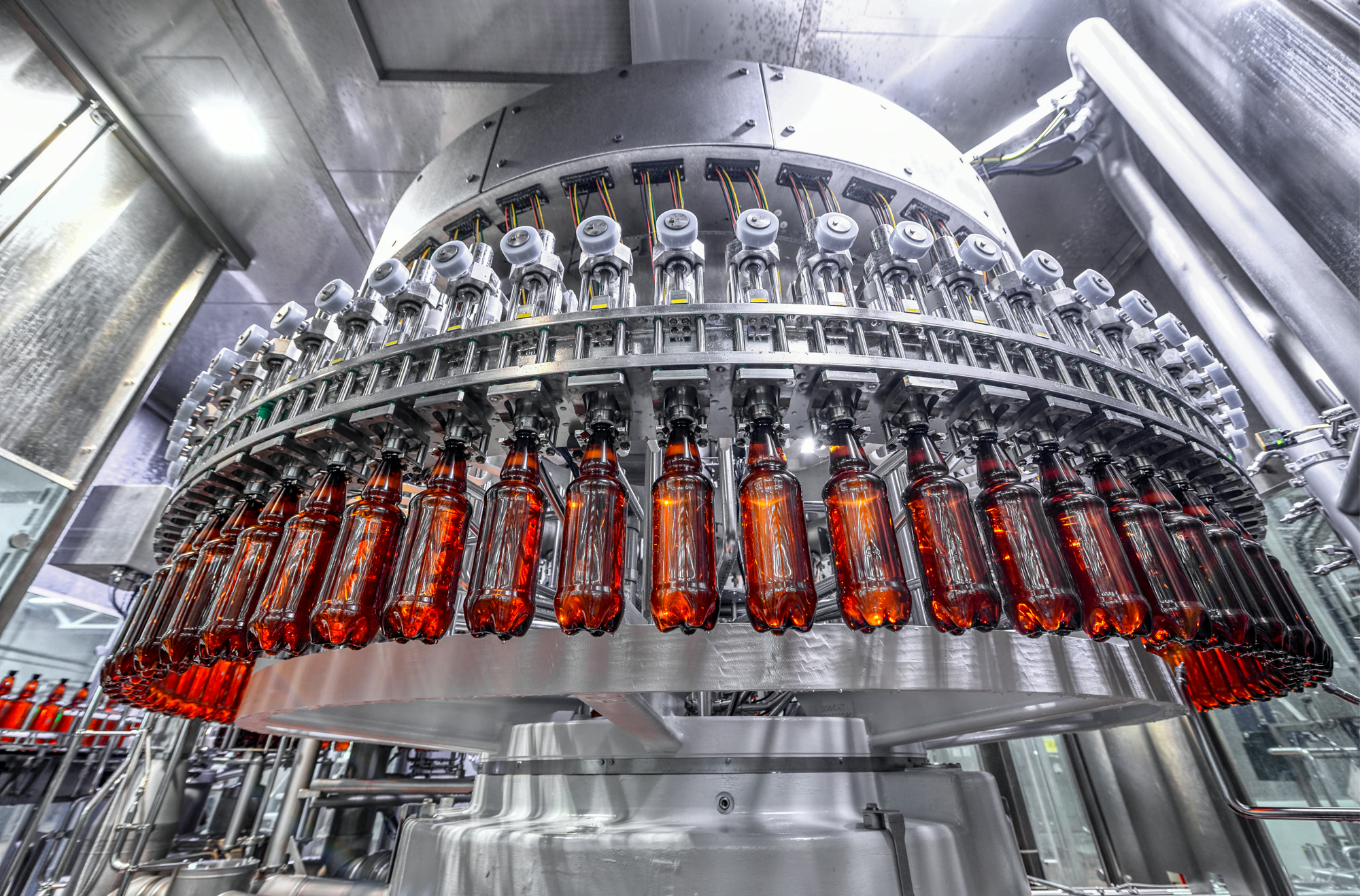
| G-Cav™ in FOOD & BEVERAGE Sanitation · CIP Enhancement · Process Water Quality Chemical-Free Pathogen Control and Advanced Oxidation for Food Safety and Operational Efficiency Produce · Meat & Poultry · Dairy · Brewery · Winery · Distillery Global Cavitation Group Holdings Pty Ltd | globalcavitation.com |
|---|
1. Executive Summary
Food and beverage manufacturing operates at the intersection of two converging pressures: tightening food safety regulation and growing consumer and retail demand for chemical-free production. The industry’s conventional response to both — chlorine-based sanitisers, chemical CIP agents, synthetic preservatives — is increasingly constrained by regulatory change, market requirements, and the rising cost of chemical inputs, effluent treatment, and compliance management.
G-Cav™ vortex-induced multistage hydrodynamic cavitation technology offers a fundamentally different approach to food safety and process hygiene: the generation of ozone and oxygen nanobubbles that deliver superior antimicrobial efficacy, chemical-free surface conditioning, and advanced oxidation chemistry directly into the water that food manufacturers already use throughout their operations. The same installed unit addresses pathogen control in produce washing, enhanced oxidation in CIP circuits, microbial management in beverage production, and process water quality across the facility — with no chemical addition and no residue in the final product or the wastewater stream.
This capability statement presents the scientific basis, process-specific applications, and operational performance of G-Cav™ technology across five application areas in food and beverage manufacturing.
| 5-log Pathogen reduction — ozone nanobubble contact at 0.5–1 ppm, 2–3 min | Zero Chemical residue — ozone decomposes to oxygen in the product stream | •OH Hydroxyl radical generation in alkaline CIP — oxidation potential 2.80V | 20–35% Caustic reduction achievable in protein-heavy dairy and food CIP circuits |
|---|
2. The G-Cav™ Technology Platform
G-Cav™ generates nanoscale bubble populations through vortex-induced multistage hydrodynamic cavitation — a process in which successive implosion chambers fragment injected gas into micro- and nanoscale bubbles with enormous total gas-water surface area. This surface area drives dissolution kinetics orders of magnitude faster than conventional bubble aeration or diffuser injection, achieving greater than 99% gas transfer efficiency in a single pass.
For food and beverage applications, two gas protocols are used depending on the treatment objective. Ozone (O₃) is the primary gas for sanitation, pathogen control, and CIP enhancement — it is a powerful oxidant at 2.07V that decomposes to oxygen without chemical residue. Oxygen (O₂) is used for process applications where dissolved oxygen enhancement is the objective — yeast health in fermentation, dissolved oxygen management in beverage production, and seafood holding water quality. The same unit can be operated with either gas by simply changing the gas source connection.
The system contains no membranes, no diffusers, and no components that foul or clog in the food processing environment. It can integrate with existing pump circuits, CIP systems, and water supply lines without modification to the surrounding infrastructure.
3. Ozone Nanobubble Sanitation: Produce, Meat, and Poultry
Ozone (O₃) is recognised by the US FDA, Food Standards Australia New Zealand, and equivalent regulatory bodies in Europe, Japan, and the major food export markets as Generally Recognised As Safe (GRAS) for direct food contact applications. Its antimicrobial mechanism is oxidative destruction of microbial cell membranes and enzymatic systems — a mode of action to which resistance does not develop, unlike chlorine-based compounds where adaptive resistance is a recognised and growing concern. Ozone’s decomposition product is oxygen: it leaves no detectable chemical residue in the treated food product, the processing water, or the plant effluent.
G-Cav™ delivers ozone as a nanoscale bubble population distributed throughout the treatment water rather than as a dissolved gas applied at the surface. The nanobubble delivery provides two specific advantages over conventional ozone contact systems: the ozone demand of the treatment water — organic matter, biofilm, and other oxidisable material that consumes ozone before it reaches the microbial target — is met throughout the water volume rather than depleting at the injection point; and the ozone concentration is maintained throughout the recirculating wash water for longer than in conventional dissolved ozone systems, where off-gassing progressively reduces concentration.
3.1 Produce Washing and Post-Harvest Treatment
Produce washing is the primary intervention point for pathogen control between field and consumer. Conventional chlorinated wash water — typically 50–200 ppm free chlorine — is effective against planktonic bacteria but poor at penetrating produce surface topography and organic debris, and generates chlorinated disinfection by-products (DBPs) including trihalomethanes and chloramines that are of increasing regulatory and consumer concern. In many markets, chlorine wash water is subject to discharge concentration limits that add treatment cost to the wastewater stream.
G-Cav™ ozone nanobubble wash water eliminates all of these concerns simultaneously. The published evidence base for ozone efficacy in produce washing is extensive:
Pathogen reduction: 5-log reduction (99.999%) of E. coli O157:H7, Salmonella enterica, and Listeria monocytogenes in produce wash water at ozone concentrations of 0.5–2 ppm with contact times of 2–5 minutes — documented across leafy greens, tomatoes, stone fruit, and brassicas in peer-reviewed food science literature.
Pesticide and chemical residue degradation: Ozone degrades organophosphate pesticides, synthetic pyrethroids, chlorantraniliprole, and related surface residues by 70–90% through oxidative bond cleavage of the active functional groups. The reaction is fast — effective within the normal produce wash contact time — and produces non-toxic degradation products.
Shelf life extension: Reduction in surface microbial load extends refrigerated shelf life by 20–35% in published studies on leafy greens, strawberries, and stone fruit — primarily by reducing the inoculum of spoilage organisms (Pseudomonas, Erwinia) that drive post-harvest quality loss.
Water reuse: Ozone nanobubbles oxidise accumulated dissolved organics in recirculating wash water, maintaining water quality through higher reuse cycles and reducing freshwater draw and effluent volume simultaneously.
| The replacement of chlorine wash water with G-Cav™ ozone nanobubble treatment is not a compromise — ozone achieves superior pathogen reduction at lower environmental and regulatory burden. The absence of DBP formation eliminates a food safety risk that chlorination introduces, and the oxygen decomposition product improves rather than degrades water quality. |
|---|
3.2 Meat, Poultry, and Seafood Processing
Protein processing facilities present a more demanding sanitation environment than produce washing: higher organic load, more diverse microbial contamination, and more complex water chemistry from blood, fat, protein, and bone. The key pathogens — Campylobacter jejuni and coli on poultry, Salmonella on red meat, E. coli O157:H7 on beef, and Listeria monocytogenes as an environmental persistent — are all highly susceptible to ozone oxidation.
Campylobacter in particular — the leading cause of bacterial food-borne illness in Australia and most developed countries — is among the most ozone-sensitive of the major food pathogens, achieving 5-log reduction at ozone concentrations and contact times well within the operational range of a G-Cav™ system on a poultry processing line. Published poultry processing studies document 2–3 log reductions in Campylobacter counts on carcass surfaces following ozone water treatment, with no impact on meat colour, texture, or shelf life at appropriate ozone concentrations.
| Pathogen | Ozone Sensitivity | Validated Application |
|---|---|---|
| Campylobacter jejuni/coli | High — 5-log at <0.5 ppm, 2 min | Poultry dressing line water, chiller water |
| Salmonella spp. | High — 5-log at 0.5–1 ppm, 2–3 min | Red meat, poultry, produce wash water |
| E. coli O157:H7 | High — 5-log at 1 ppm, 3 min | Beef carcass wash, produce washing |
| Listeria monocytogenes | Moderate — 3-log at 1 ppm, 5 min | Environmental surfaces, chiller water, RTE wash |
| Pseudomonas (spoilage) | High — rapid inactivation at 0.5 ppm | Shelf life extension, chiller water management |
For seafood processing and live seafood holding, the dissolved oxygen application is equally important. Maintaining dissolved oxygen at saturation — not supersaturation, which causes gas bubble disease in live fish and crustaceans — in chilling and holding water reduces stress-related quality loss and extends live holding time. G-Cav™ oxygen injection delivers saturation reliably and precisely, using the mass-flow relationship to dose dissolved oxygen to a set-point without overshoot.
| ⚠ OZONE CONCENTRATION IN LIVE ANIMAL HOLDING Ozone at the concentrations used for pathogen control (0.5–2 ppm) is toxic to fish and crustaceans. G-Cav™ ozone protocol must not be applied to live seafood holding water. Oxygen protocol should be used for live holding applications. For processed seafood water treatment, ozone is appropriate for pathogen control before live product contact — not during. |
|---|
4. CIP Enhancement: Advanced Oxidation and Hydroxyl Radical Chemistry
Clean-in-place (CIP) is the dominant cleaning and sanitisation protocol in food and beverage manufacturing, consuming substantial volumes of water, caustic, acid, and sanitiser on daily or shift-frequency cycles. In high-throughput food manufacturing, CIP represents 15–30% of total water consumption and a significant fraction of chemical operating costs. Improving CIP performance — achieving equivalent cleanliness at lower chemical concentration, shorter cycle time, or reduced sanitiser use — has direct and calculable financial value in any operation with frequent CIP requirements.
G-Cav™ ozone nanobubble injection into CIP circuits provides a fundamentally different enhancement mechanism depending on which step of the CIP protocol it is applied to. The chemistry is protocol-specific and understanding it is essential to deploying the technology correctly.
4.1 The Hydroxyl Radical Mechanism in Alkaline CIP
The most powerful and most commercially significant G-Cav™ CIP application is ozone injection into the alkaline caustic recirculation step. The mechanism operates through advanced oxidation process (AOP) chemistry that is well-established in water treatment literature but underutilised in food industry CIP.
Ozone in alkaline solution — pH 11–13, which is the standard NaOH caustic CIP range — undergoes accelerated decomposition via a radical chain mechanism:
The hydroxyl radical (•OH) generated by this pathway has an oxidation potential of 2.80V — higher than ozone (2.07V), higher than hydrogen peroxide (1.78V), and substantially higher than sodium hypochlorite (1.49V). Critically, •OH is non-selective: unlike ozone, which reacts preferentially with electron-rich organic structures, •OH attacks virtually any organic bond. This means it destroys the extracellular polymeric substances (EPS) — the polysaccharide and protein matrix that constitutes the structural scaffold of biofilm — more completely and more rapidly than caustic alone or ozone alone.
The combination of NaOH saponification and protein denaturation with •OH radical attack on EPS produces a synergistic cleaning effect that is greater than the sum of its parts. The EPS matrix that protects biofilm from caustic penetration is simultaneously attacked from two directions — the caustic disrupting the hydrophobic lipid components and denaturing surface proteins, while •OH oxidises the polysaccharide backbone and peptidoglycan structures that give the biofilm its structural integrity.
| The hydroxyl radical pathway operates automatically in alkaline CIP conditions — the high pH that makes the caustic step effective for cleaning is also the condition that maximises ozone decomposition to •OH. No additional chemistry or protocol change is required beyond introducing G-Cav™ ozone nanobubbles into the caustic recirculation flow. |
|---|
4.2 Protocol-Specific Application Guide
The benefit of G-Cav™ ozone injection varies significantly between CIP protocol steps. The following table maps each step to the appropriate application and expected benefit:
| CIP Step | G-Cav™ Gas | Mechanism | Expected Benefit |
|---|---|---|---|
| Pre-rinse (cold/warm water) | Ozone | Oxidative removal of loosely adhered surface soils; partial pathogen reduction before caustic contact | Reduced soil load entering caustic cycle; lower caustic demand |
| Alkaline caustic recirculation (pH 11–13) | Ozone | Hydroxyl radical (•OH) generation via O₃ + OH⁻ decomposition; •OH attacks biofilm EPS while caustic saponifies fats and denatures proteins | 20–35% caustic concentration reduction at equivalent cleanliness; shorter cycle time; improved biofilm removal |
| Intermediate water rinse | Ozone | Flush and oxidise residual caustic and soil from circuit; ozone decomposes to oxygen — no residual | Reduced rinse volume; prepares circuit for acid step or sanitiser |
| Acid recirculation (pH 2–4) | None recommended | At low pH, ozone is stable and •OH generation is minimal; ozone is a mild oxidant here but synergy is limited | Marginal — acid step performance is not significantly enhanced by ozone addition |
| Final sanitising rinse | Ozone | Ozone at 0.5–1 ppm for 2–3 minute contact time achieves 5-log pathogen reduction without dedicated sanitiser chemical | Eliminates peracetic acid or chlorinated sanitiser step entirely in most food processing CIP protocols |
| ⚠ ENZYME CIP STEPS — DO NOT APPLY OZONE CIP protocols that include an enzyme step — protease or lipase additions used in some dairy and brewing CIP circuits for protein and fat soil removal — must not receive ozone injection during that step. Ozone and •OH will destroy enzyme activity, rendering the enzyme addition ineffective. G-Cav™ ozone should be suspended during any enzyme step and resumed in the subsequent rinse. |
|---|
4.3 The Nanobubble Delivery Advantage in Recirculating CIP
The ozone demand of a fouled CIP circuit is high: biofilm matrix, protein deposits, fat residues, and mineral scale all consume ozone before it reaches the microbial and soil targets deeper in the circuit. In conventional ozone contact CIP systems, ozone is depleted rapidly at the injection point, and concentration falls progressively around the recirculating loop.
G-Cav™ nanoscale bubble populations dissolve ozone into the CIP fluid with greater than 99% transfer efficiency in a single pass through the unit. The dissolved ozone is then distributed throughout the recirculating CIP loop by the flow itself — maintaining concentration throughout the circuit rather than depleting from a single injection point. This is particularly important in large CIP circuits serving multiple tanks, vessels, or long pipe runs where ozone concentration gradients are the primary limitation of conventional ozone CIP systems.
4.4 Materials Compatibility
Ozone compatibility with CIP circuit materials should be assessed before deployment. Most modern food and beverage CIP circuits use materials that are ozone-compatible, but the following guidance applies:
EPDM rubber: Ozone-resistant — the standard gasket material in dairy, brewery, and food processing CIP circuits is compatible with ozone at the concentrations used in CIP applications.
316 stainless steel: Fully ozone-compatible — all standard CIP pipework, vessels, and fittings are unaffected.
PTFE and polypropylene: Fully ozone-compatible.
Nitrile rubber (NBR): Not ozone-resistant — found in some older installations and non-CIP-grade fittings. Where NBR gaskets or seals are present, replacement with EPDM is recommended before ozone injection.
PVC: Not recommended for sustained ozone contact — brittle failure risk over time. Stainless or PTFE-lined alternatives should be used in ozone-service sections of the circuit.
5. Beverage Production: Brewery, Winery, and Distillery
Beverage production — brewing, winemaking, and distillation — presents a range of water quality and process hygiene challenges where G-Cav™ technology provides targeted, chemistry-specific benefits. The applications vary significantly between sectors and in some cases between individual producers depending on process design and product style. This section addresses each sector’s specific applications and distinguishes clearly between well-validated and hypothesis-level claims.
5.1 Brewery Applications
Brewing process water is the single largest input to beer — typically 3–10 litres of water per litre of beer produced — and its quality directly affects fermentation performance, beer flavour stability, and microbiological consistency. G-Cav™ provides three distinct brewery applications:
Process Water Pre-Treatment
Ozone nanobubble treatment of incoming mashing, sparging, and cooling water reduces dissolved organic contaminants and microbial load before the water enters the brewing process. This reduces the pre-treatment chemical burden — chloramine and chlorine removal from municipal water is a standard brewery water treatment step that ozone achieves without the off-flavour risk of carbon filtration or the chemical cost of sodium metabisulphite dosing. The water enters the mash or fermentation vessel with lower microbial load and without the chemical residuals that can affect yeast health.
Yeast Oxygenation at Pitching
Wort oxygenation at the point of yeast pitching is a critical fermentation variable. Yeast requires dissolved oxygen in the range of 8–12 mg/L at pitching to build cell membrane sterols and unsaturated fatty acids that determine yeast health and fermentation vigour. Under-oxygenated wort produces stressed fermentations with poor attenuation, off-flavour production (acetaldehyde, diacetyl), and poor flocculation.
G-Cav™ oxygen nanobubble injection inline on the wort transfer line from the kettle or whirlpool to the fermenter delivers precise, measurable dissolved oxygen at the target range. The mass-flow relationship — inject a known mass of oxygen per litre, achieve a predictable DO increase — allows brewers to set and maintain a consistent pitching DO without the variability of in-line sintered stone oxygenation systems, which degrade over time and are difficult to clean. G-Cav™ has no components that degrade or foul in wort service.
Brewery CIP Optimisation
The hydroxyl radical CIP mechanism described in Section 4 applies directly to brewery CIP circuits. Brewery fermentation vessels accumulate protein and yeast-derived biofilm that responds well to •OH oxidative attack on the EPS matrix. The elimination of a dedicated peracetic acid sanitiser step — replaced by an ozone final rinse — is a meaningful operating cost saving in large brewery operations with multiple fermenter CIP cycles per week.
5.2 Winery Applications
Winemaking presents a more nuanced oxygen management challenge than brewing. While yeast requires oxygen at the start of alcoholic fermentation, wine is highly sensitive to excess oxidation at every other stage — post-fermentation, during aging, and prior to bottling. Any oxygenation claim for winery application must be framed with precision.
Controlled Micro-Oxygenation During Fermentation
Yeast during alcoholic fermentation requires oxygen — specifically for sterol and unsaturated fatty acid synthesis in the first 24–48 hours of fermentation. At milligram-per-litre concentrations, oxygen addition at this stage supports yeast health and can reduce sulphite requirements by providing an alternative protection mechanism. The operative word is milligram-per-litre: the required addition is in the range of 2–8 mg/L total oxygen during the active fermentation phase, not the sustained high-DO injection appropriate for brewing or aquaculture.
G-Cav™ oxygen injection for winery fermentation requires precise DO metering and must be integrated with DO monitoring in the fermenting must. The system’s mass-flow predictability — know the flow rate, know the injection rate, calculate the DO addition — makes this precision achievable. However, this is an application where process knowledge and site-specific configuration are essential prerequisites. Blanket oxygenation without DO monitoring in a winery context risks irreversible oxidative damage to wine quality.
| WINERY OXYGENATION — REQUIRED CONDITIONS G-Cav™ oxygen injection for winery fermentation support is appropriate only where: (1) DO monitoring is in place on the fermenting vessel; (2) injection is limited to the active fermentation phase (first 24–72 hours); (3) target DO addition is defined by the winemaker for the specific yeast strain and must composition; (4) injection ceases when the fermentation is past 50% attenuation. Post-fermentation oxygen injection is contraindicated and will cause oxidative spoilage. |
|---|
Grape Wash and Must Pre-Treatment
Ozone nanobubble treatment of grape wash water reduces wild yeast and bacterial load on grape skins before crushing, enabling more predictable and controlled fermentation onset without the broad-spectrum sulphite additions that are the conventional alternative. This supports lower-sulphite and sulphite-free wine production — a growing market segment with premium pricing in clean-label wine categories.
Winery CIP and Equipment Sanitisation
Winery equipment — fermentation tanks, press membranes, barrel halls, bottling lines — carries a diverse microbiological risk including Brettanomyces bruxellensis (Brett), acetic acid bacteria, and Lactobacillus species. Ozone is effective against all of these at the concentrations and contact times achievable in a G-Cav™ CIP cycle. For press membrane cleaning specifically, ozone oxidation of residual grape solids is gentler than acid cleaning and reduces membrane fatigue over time.
5.3 Distillery Applications
Distillery operations generate two water quality challenges that G-Cav™ addresses. The first is process water quality for the mash or wash — the same ozone pre-treatment argument as brewery applies, reducing contamination in the fermentation feedstock. The second, and more commercially significant, is the treatment of distillery stillage and backset — the high-strength residual liquid from the still that carries BOD concentrations of several thousand mg/L.
G-Cav™ ozone nanobubble oxidation of distillery wash water and stillage reduces BOD load through oxidative breakdown of dissolved organics before discharge to trade waste or anaerobic digestion. The mechanism is the same as the industrial wastewater pretreatment application — cavitation emulsion breaking and Gibbs adsorption concentration of surface-active compounds at the liquid surface, combined with ozone oxidation of dissolved organics — but in the specific context of stillage chemistry. This application is addressed in detail in the G-Cav™ Industrial Wastewater Capability Statement.
5.4 Hop Extraction Enhancement
Hop alpha acids (the bittering compounds), beta acids, and aromatic oils (myrcene, linalool, geraniol, and related terpenes) are contained within lupulin glands — small resinous globules located at the base of the hop bract. Conventional hop addition to the kettle relies on thermal isomerisation of alpha acids to iso-alpha acids (the soluble bittering compounds) and on the physical disruption of lupulin glands by boiling wort. The extraction efficiency of this process is limited: a significant fraction of available alpha acids and a larger fraction of the volatile aromatic oils are not fully extracted and are lost with the spent hops.
Cavitation implosion physically ruptures lupulin glands more completely than thermal disruption alone. The transient high-pressure collapse events at the microscale generate sufficient mechanical energy to break gland cell walls, releasing the contained resins and oils into the surrounding liquid. Published studies on ultrasonic cavitation in hop extraction — using acoustic cavitation rather than hydrodynamic cavitation but generating the same fundamental implosion mechanism — document:
Alpha acid extraction: 15–30% improvement in iso-alpha acid yield from equivalent hop additions, attributed to more complete gland disruption and improved contact between wort and released resins.
Aromatic oil recovery: Significant improvement in myrcene, linalool, and geraniol recovery — volatile aromatic compounds that are lost to evaporation in the kettle but can be retained when cavitation-assisted extraction is applied at lower temperatures, for example in whirlpool or dry-hop applications.
Extraction time reduction: Equivalent iso-alpha acid extraction achieved in shorter contact time — commercially relevant for breweries where kettle utilisation is a production bottleneck.
The hydrodynamic cavitation mechanism of G-Cav™ is directly analogous to acoustic cavitation in its fundamental implosion physics — the operative variable is the energy released during bubble collapse, not the frequency of the driving pressure wave. G-Cav™’s multistage successive implosion architecture delivers cumulative implosion energy progressively through each chamber, potentially providing equivalent or superior gland disruption to single-stage cavitation approaches.
| The commercial value of improved hop extraction is directly calculable: achieving the same bitterness and aroma profile at a 15–20% reduction in hop addition rate reduces input cost by that margin. For a craft brewery using premium aromatic hops at $50–100/kg, or a large commercial brewery with total hop spend in the millions annually, this is a material operating cost reduction that compounds on every brew cycle. |
|---|
G-Cav™ hop extraction enhancement is most applicable in three configurations: inline on the wort transfer to the whirlpool (treating the wort with cavitation while hops are in contact), as a dedicated hop extraction vessel for concentrated hop additions before dilution into the main wort volume, or for cold-side dry-hop extraction where preserving volatile aromatic compounds is the primary objective and thermal loss is the enemy.
| HYPOTHESIS / PILOT OPPORTUNITY G-Cav™-specific hop extraction performance data has not yet been generated in a controlled brewery trial. The mechanism is directly analogous to the ultrasonic cavitation literature and the G-Cav™ platform is well-suited to this application. A structured pilot — measuring iso-alpha acid yield, aromatic compound profile, and sensory panel assessment at matched bitterness IBU against a control brew with conventional hop addition — would establish G-Cav™-specific extraction rates within a single brew cycle. |
|---|
5.5 Grape Extraction Enhancement
Grape skin cell walls contain the anthocyanins (colour pigments), tannins (structural phenolics), and aromatic precursors that define wine colour, mouthfeel, and complexity. Conventional maceration — the contact of crushed grape skins with juice or fermenting must — releases these compounds by diffusion and osmotic pressure over hours to days. The completeness and selectivity of extraction is one of the primary levers available to a winemaker in determining wine style.
Cavitation implosion applied to the must or to the grape mass at crushing mechanically disrupts skin cell walls, releasing the contents of vacuoles and cell organelles more completely and more rapidly than diffusion-based maceration alone. The mechanism is the same as for hop gland disruption — physical cell wall rupture by implosion energy — but applied to plant cell walls with different structural properties and different target compounds.
Applications Where Cavitation Extraction Enhancement Is Most Valuable
The case for cavitation-enhanced grape extraction is strongest in specific winemaking contexts where more extraction is unambiguously beneficial:
Rosé production: Colour is extracted from red grape skins during a brief cold soak — typically 2–8 hours — before the juice is run off. Cavitation enhancement of this brief maceration phase extracts more anthocyanin in less time, potentially allowing shorter cold soak periods while achieving the same or deeper colour target. More complete extraction also reduces tank tie-up time.
White wine skin contact: The category of ‘orange wines’ and skin-contact whites relies on phenolic and aromatic extraction from white grape skins. Cavitation-enhanced extraction could produce more complex phenolic profiles in shorter maceration times, reducing the oxidation risk that accompanies extended skin contact in white wine production.
Early maceration colour extraction in red wine: Anthocyanins are extracted from skins more readily than tannins in the early stages of maceration. Cavitation applied during the pre-fermentation cold soak phase — before alcoholic fermentation begins — preferentially extracts colour-contributing anthocyanins while the temperature and alcohol conditions that solubilise harsh seed tannins are not yet present.
Fruit integrity when grape quality is variable: In vintages or regions where grape skin cell wall integrity is compromised by disease or weather damage, cavitation may improve extraction from cells that are no longer fully intact, recovering more of the available colour and aroma from difficult fruit.
Where Caution Is Warranted
In extended red wine maceration for full-bodied styles, the winemaking objective is tannin management as much as colour extraction. More complete cell wall disruption by cavitation will extract tannins more completely — including potentially increasing extraction of seed tannins (harsh, astringent) and stem tannins if any stem material is present. For winemakers managing tannin structure and integration, cavitation-enhanced maceration requires careful monitoring and may not be appropriate without adjusting maceration management protocols. This is not a reason to exclude the application but a reason to present it with the site-specific qualification it deserves.
| HYPOTHESIS / PILOT OPPORTUNITY G-Cav™-specific grape extraction performance data has not yet been generated in a controlled winemaking trial. The mechanistic basis is well-supported by ultrasonic cavitation literature and the analogy to hydrodynamic cavitation is sound. A pilot program on a representative red grape variety — measuring anthocyanin concentration, total polyphenol index, colour density, and tannin structure at matched maceration times against a conventional maceration control — would establish the extraction profile and the style implications within a single vintage. |
|---|
5.6 Cavitation Modification of Wine and Spirits: The Ageing Hypothesis
Among the most commercially intriguing applications of cavitation in beverage production is its potential to accelerate or simulate aspects of the barrel ageing process in wine and spirits. This is the most speculative of the applications addressed in this document, and it is presented as such — the evidence is genuine but the mechanistic understanding is incomplete, the effects are not universally reproducible, and G-Cav™-specific data does not yet exist. It is presented here because the commercial potential is significant and the scientific basis warrants serious investigation.
The Observed Phenomenon
Multiple published studies — primarily using ultrasonic cavitation applied to young wine, young brandy, whisky, and other spirits — report accelerated chemical changes following cavitation treatment that in some respects resemble changes associated with extended barrel ageing. Sensory panel assessments in a subset of these studies have found that cavitation-treated young wines and spirits were rated as comparable in certain quality attributes to the same products after months of additional ageing. The reported effects include:
Tannin softening: Reduction in perceived astringency attributed to accelerated tannin polymerisation — monomeric tannins, which are harsh and astringent, polymerise into longer chains that are perceived as rounder and softer. Barrel aging achieves this over months to years; cavitation may accelerate the process by providing the physical energy to overcome the activation barrier for tannin-tannin condensation reactions.
Colour stabilisation: Accelerated co-pigmentation and anthocyanin-tannin condensation reactions in red wine, producing more stable colour complexes. These reactions are central to red wine ageing and require molecular collisions that are normally driven by thermal energy over time.
Volatile sulfur compound reduction: Hydrogen sulphide (H₂S) and low-molecular-weight mercaptans — reductive off-notes present in young wines and spirits — are oxidised by the transient radical species generated during cavitation implosion. This is probably the most consistently reproduced and mechanistically straightforward of the reported effects and has direct commercial value as a fault correction tool independent of any broader ageing claim.
Ester profile modification: Some studies report changes in ester concentrations following cavitation, suggesting that esterification reactions between acids and alcohols are accelerated by cavitation energy. Ethyl acetate and other fermentation esters that are high in young wine may be hydrolysed; longer-chain ethyl esters that contribute complexity in aged wine may increase.
Proposed Mechanisms
The primary mechanisms proposed in the literature for these effects are:
Radical-driven oxidation from water dissociation: Cavitation implosion dissociates water molecules at the point of bubble collapse, generating hydroxyl radicals (•OH) and hydrogen radicals (H•) from the liquid itself — no dissolved oxygen is required as a starting material. These transient radical species drive oxidative reactions on polyphenols, sulfur compounds, and other reactive wine constituents through the same chemical pathways that molecular oxygen drives more slowly during barrel ageing. This mechanism operates in any aqueous liquid regardless of its dissolved oxygen content. If oxygen or ozone is co-injected with the cavitation process, molecular oxidation is additionally operative — but radical-driven oxidation from water dissociation alone can account for the chemical changes observed in cavitation-treated wine and spirit under inert conditions.
Radical-driven oxidative reactions: The transient reactive oxygen species generated during cavitation collapse — hydroxyl radicals, superoxide — drive oxidative reactions on polyphenols, sulfur compounds, and other reactive species that are normally initiated by dissolved oxygen over extended periods.
Physical molecular collision: Cavitation shear forces and micro-streaming increase the collision frequency between reactive molecules — tannin-tannin, tannin-anthocyanin — accelerating condensation reactions that are rate-limited by diffusion under normal aging conditions.
Honest Assessment of the Evidence
The cavitation ageing literature must be read with appropriate critical attention. Several important qualifications apply:
Spirit results are more consistent than wine results: Young spirits — whisky, brandy, young Armagnac — show more reproducible cavitation modification effects than wine. This is likely because spirits are simpler matrices with fewer competing reactions, and the effects of specific chemical changes are more easily isolated and measured.
Sensory equivalence is not chemical equivalence: A wine rated as ‘comparable’ to an aged wine by a sensory panel may differ substantially in its chemical composition. Some of the perceived improvement may reflect the removal of harsh reductive notes rather than the positive development of complexity. The two outcomes — fault correction and true ageing acceleration — should be distinguished in any pilot evaluation.
SO₂ interaction: The radical species generated by cavitation can oxidise sulfite (SO₂) in wine, reducing its protective antioxidant function. This must be managed in any cavitation treatment of wine — post-treatment SO₂ measurement and adjustment is essential.
Dose dependency: The effects are cavitation intensity and contact time dependent. Insufficient treatment produces no measurable effect; excessive treatment risks over-oxidation and quality damage. Establishing the optimal treatment parameters for a specific wine or spirit type requires site-specific calibration.
| The volatile sulfur compound reduction application — H₂S and mercaptan oxidation by cavitation radicals — is the most defensible and commercially immediately applicable sub-claim within this section. Reductive off-notes in young wine and spirit are a recognised and costly quality problem. A G-Cav™ treatment that reduces reductive fault intensity without chemical addition and without detectable residue has direct commercial value independent of any broader ageing claim. |
|---|
| HYPOTHESIS / PILOT OPPORTUNITY Cavitation-induced modification of wine and spirit chemical composition is documented in published literature primarily for acoustic cavitation systems. Whether hydrodynamic cavitation via G-Cav™ achieves equivalent chemical changes, and at what treatment parameters, has not yet been established in controlled trials. The volatile sulfur reduction application is the recommended starting point for any pilot program — it is the most mechanistically certain, the most easily measured analytically, and the most commercially unambiguous. Full sensory evaluation of ageing simulation effects should follow once the treatment parameter envelope is established for a specific product type. |
|---|
6. Dairy Processing
Dairy manufacturing — fresh milk, cheese, butter, yoghurt, whey protein, and powder products — is among the most CIP-intensive food processing sectors. A large dairy plant may run CIP cycles on pasteurisers, separators, homogenisers, cheese vats, and spray dryers multiple times per day, consuming large volumes of caustic, acid, water, and sanitiser. The high protein and fat content of dairy soils — casein and whey proteins, milk fat, and the complex protein-mineral deposits that form on heated surfaces — makes dairy CIP one of the most demanding cleaning applications in food manufacturing.
6.1 Dairy CIP Enhancement
The hydroxyl radical mechanism described in Section 4 has particular relevance for dairy CIP because the primary recalcitrant soil is denatured protein — casein deposits on heated surfaces (pasteurisers, evaporators) and whey protein deposits across the processing circuit. Denatured protein is more resistant to caustic saponification alone than fat soils, and the •OH oxidative attack on the peptide bonds and protein tertiary structure that remain after caustic denaturation provides the additional cleaning energy that reduces caustic concentration requirements.
Published literature on AOP-enhanced dairy CIP documents 20–35% reduction in NaOH concentration at equivalent cleanliness on protein-fouled dairy surfaces — the most directly validated of the CIP improvement claims. This range is achieved when ozone nanobubbles are introduced into the alkaline caustic recirculation at pH > 11, where •OH generation is maximised.
6.2 Chiller and Cooling Water Sanitisation
Dairy immersion chilling systems — used for rapid cooling of packaged product — are a recognised Listeria risk point. Listeria monocytogenes is psychrotrophic (grows at refrigeration temperatures) and forms persistent biofilms in chiller environments that resist conventional sanitiser treatment. Ozone nanobubble treatment of chiller water provides continuous low-level oxidative pressure that prevents biofilm establishment and maintains low Listeria counts in the chiller water, without the progressive chemical accumulation that occurs with chlorine or peracetic acid dosing in recirculating systems.
For cheese brine systems — another high-risk Listeria environment — ozone treatment of the brine is more complex because ozone reacts with the brine chemistry and must be carefully managed to avoid excessive oxidation of the cheese surface or brine composition changes. This application is appropriate for assessment on a site-specific basis rather than as a general recommendation.
6.3 Dairy Equipment Micro-Crevice Penetration
Homogenisers, separators, and gasket interfaces in dairy CIP circuits harbour microbial contamination in micro-crevices and dead zones that spray balls and conventional CIP flow cannot reach effectively. Nanoscale bubble populations distributed throughout the CIP fluid provide enhanced penetration into these zones — the small bubble size allows access to geometric features that larger bubbles or bulk fluid flow bypasses. This is a plausible and mechanistically sound claim, though direct measurement in specific dairy equipment configurations has not been conducted and should be assessed in site-specific pilot programs.
7. Industrial Utilities and Facility Water Systems
7.1 Cooling Tower Water Treatment and Legionella Control
Cooling towers in food and beverage manufacturing plants are both a Legionella risk and a significant water and chemical cost. Conventional cooling tower water management relies on biocide dosing — typically oxidising biocides (chlorine, bromine) and non-oxidising biocides in rotation — combined with scale inhibitors and corrosion inhibitors. Regulatory requirements for Legionella management in cooling towers are stringent and increasing across most developed countries.
Ozone nanobubble treatment of cooling tower water provides broad-spectrum biocidal activity against Legionella pneumophila and associated cooling tower microorganisms, including the amoeba that serve as Legionella’s intracellular host in cooling tower biofilm. Ozone at 0.1–0.3 ppm residual in the cooling tower basin is lethal to Legionella and prevents biofilm re-establishment, reducing or eliminating the requirement for supplemental biocide dosing. Scale formation is also reduced — ozone oxidises the manganese and iron that catalyse calcium carbonate precipitation, reducing the scale-forming potential of the circulating water.
| Ozone decomposes to oxygen in the cooling tower basin and does not accumulate — there is no progressive chemical build-up in the circulating water as occurs with biocide dosing programs. Blowdown water from an ozone-treated cooling tower requires no special chemical treatment before discharge, reducing the environmental compliance burden of cooling tower management. |
|---|
7.2 Pipeline and Conveyor Cleaning
Food contact conveyor surfaces and production line pipelines accumulate biofilm between production runs. G-Cav™ ozone nanobubble water applied to conveyor surfaces between shifts provides a chemical-free sanitising step that reduces microbial load and prevents biofilm establishment without the chemical taint risk of residual sanitiser on food contact surfaces. The application is particularly valuable in fresh produce packing environments where chemical-free claims are commercially important.
For pipeline cleaning, cavitation implosion within the G-Cav™ unit as water circulates through the line mechanically disrupts loosely adhered biofilm and scale deposits, providing a physical cleaning component alongside the ozone oxidative effect. This is a maintenance application — not a substitute for scheduled CIP — but reduces the rate of biofilm accumulation between scheduled CIP cycles and extends the interval between full CIP events in some circuit types.
7.3 Irrigation and Fertigation Water Treatment
For food and beverage operations with associated primary production — on-site orchards, vineyards, market gardens, or ingredient crop production — G-Cav™ irrigation water treatment bridges the food processing and agriculture applications. Ozone nanobubble treatment of irrigation water reduces soil-borne pathogen load (Phytophthora, Pythium, Fusarium) and eliminates algal growth in drip irrigation emitters, reducing emitter blockage and maintaining irrigation system performance. The agricultural application of oxy-hydrogen nanobubble irrigation — yield improvement, nutrient uptake enhancement, stress tolerance — is addressed in detail in the G-Cav™ Agriculture — Plants & Crops Capability Statement.
8. About Global Cavitation Group Holdings
Global Cavitation Group Holdings Pty Ltd is an Australian technology company headquartered in Cairns, Queensland. The G-Cav™ vortex-induced multistage hydrodynamic cavitation platform is a patented nanobubble generation system with validated performance across water treatment, environmental remediation, and industrial processing applications globally.
The company works with food safety managers, quality assurance teams, plant engineers, and operations managers to evaluate G-Cav™ applications against specific process parameters and food safety objectives. Global Cavitation welcomes engagement with any food and beverage manufacturer seeking to reduce chemical inputs, improve food safety outcomes, or extend product shelf life through ozone and oxygen nanobubble technology.
Talk to Global Cavitation about your application
The performance of any gas-transfer, flotation or water-treatment system depends on site-specific chemistry, flow conditions and process objectives. Global Cavitation can help evaluate whether G-Cav™ technology is suitable for your application and identify the most practical integration pathway.
For technical information, pilot testing discussions, licensing opportunities or project-specific assessments, contact the Global Cavitation team.
Phone: +61 7 4028 3830
Email: info@globalcavitation.com
Address: 26 Donaldson St, Manunda, Cairns, QLD 4870, Australia
Contact: Speak with Global Cavitation
Technical Note on Evidence Status
This capability statement presents food and beverage applications of G-Cav™ ozone and oxygen nanobubble technology. Ozone efficacy against the pathogens listed, pesticide residue degradation percentages, and shelf life extension ranges are drawn from peer-reviewed food science literature. The hydroxyl radical CIP mechanism and associated caustic reduction ranges are drawn from published advanced oxidation process literature applied to dairy CIP. G-Cav™-specific food processing performance data is not yet available at commercial scale for all applications described; applications identified as hypotheses or requiring site-specific assessment are clearly noted. Materials compatibility guidance represents standard ozone engineering practice. All winery oxygenation applications require site-specific DO monitoring and process integration — general oxygenation without DO measurement control is not recommended in wine production contexts. Global Cavitation Group Holdings presents this document to support informed evaluation of G-Cav™ technology by food industry professionals.