
In industrial water, wastewater, aquaculture, irrigation, remediation, and process-water environments, system performance is rarely limited by design intent alone. It is often limited by what happens after installation. Fouling builds. Passages narrow. Membranes lose efficiency. Diffusers scale up. Filters blind off. Biofilm develops. Solids accumulate. Oils, surfactants, minerals, and biological load gradually reduce the effectiveness of equipment that looked efficient on paper.
This is one of the most expensive hidden problems in fluid treatment and gas-transfer systems. A system may appear technically sound at the beginning, yet become commercially weak once fouling, clogging, cleaning cycles, downtime, consumable replacement, or declining transfer efficiency are taken into account.
That is why fouling and clogging are not minor maintenance issues. They are central commercial issues. They affect uptime, operating cost, labour burden, gas-transfer performance, treatment consistency, and long-term return on capital.
The G-Cav™ vortex-induced multistage hydrodynamic cavitation system achieves simultaneous separation, flotation, and removal of emulsified oils, dissolved surfactants, and hydrophobic contaminants (PFAS and the like) from aqueous streams without chemical addition. Two coupled primary processes drive performance:
These processes are self-reinforcing: surfactant depletion reduces re-emulsification potential, preserving the separation achieved by emulsion breaking. The result is progressive restoration of bulk water surface tension toward clean water values (~72 mN/m at 25°C) and thermodynamic expulsion of hydrophobic contaminants into a skimmable surface foam.
Field validation on Permian Basin produced water demonstrated 64.6% total oil and grease removal in a single pass. This integrated cavitation-Gibbs mechanism represents a fundamental advancement with global significance, offering a new paradigm for redefining dissolved air flotation (DAF) performance across multiple high-impact industry sectors.
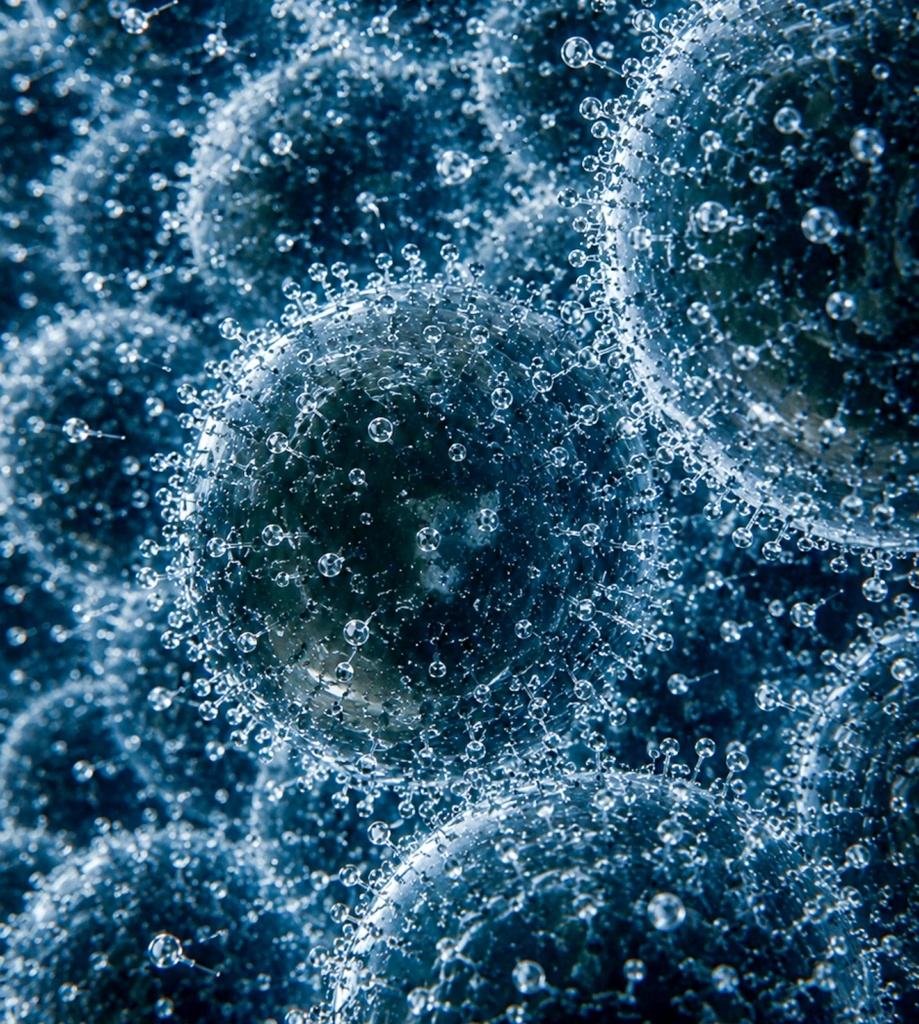
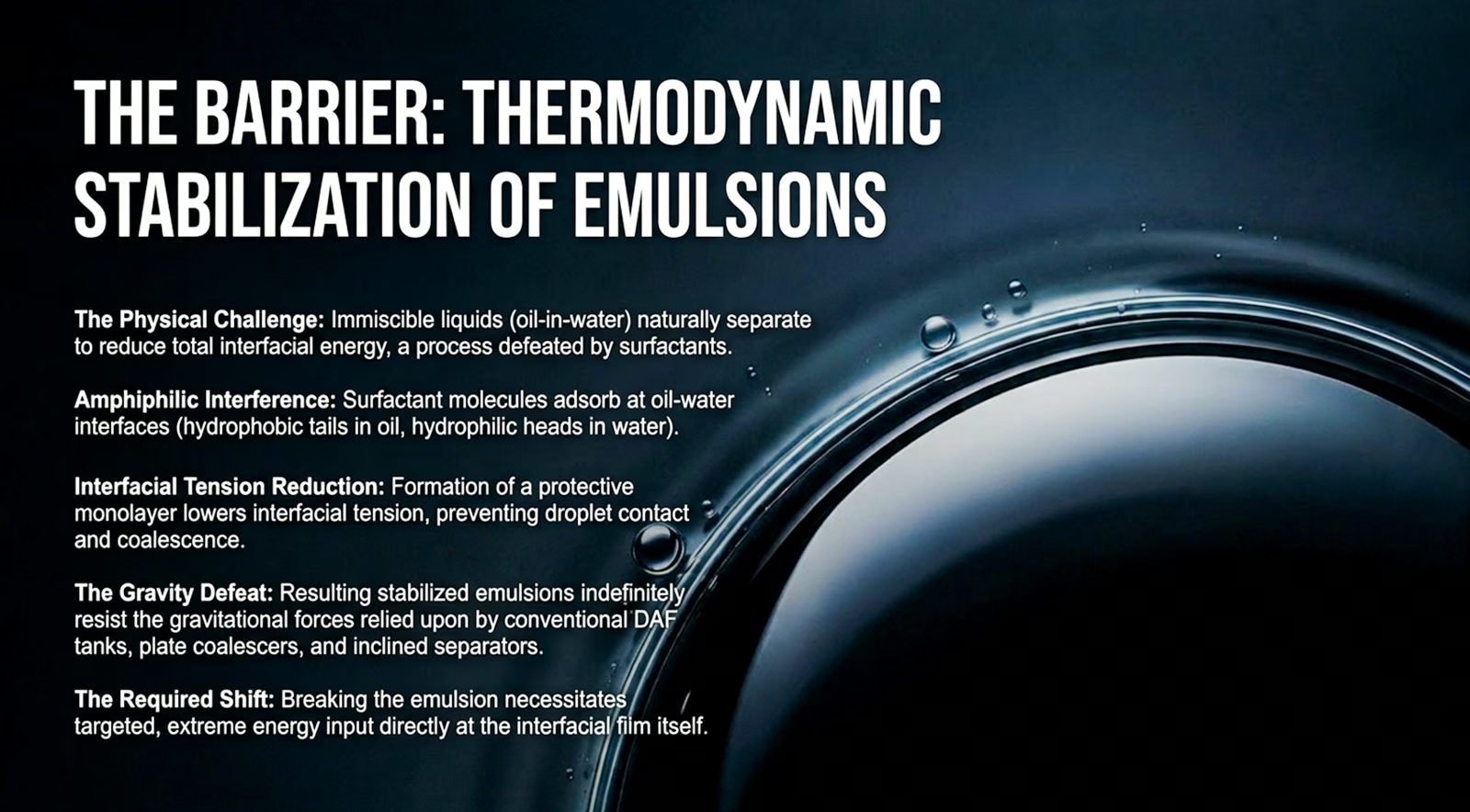
Emulsions consist of one liquid dispersed in another — typically oil droplets in water. Without stabilisers, immiscible liquids separate by gravity as droplets coalesce, reducing total interfacial area and energy. Surfactants arrest this process. These amphiphilic molecules adsorb at oil-water interfaces with hydrophobic tails in the oil phase and hydrophilic heads in water, forming a monolayer that lowers interfacial tension and prevents droplet contact and coalescence. The resulting stabilised emulsion resists gravity separation indefinitely.
Conventional technologies (gravity tanks, plate coalescers, inclined separators) rely on the very gravitational forces that surfactants defeat. Breaking a stable emulsion requires targeted energy input at the interfacial film itself — the first core function of G-Cav™ hydrodynamic cavitation. This directly addresses longstanding limitations in conventional DAF design by targeting interfacial physics and thermodynamics at scale.
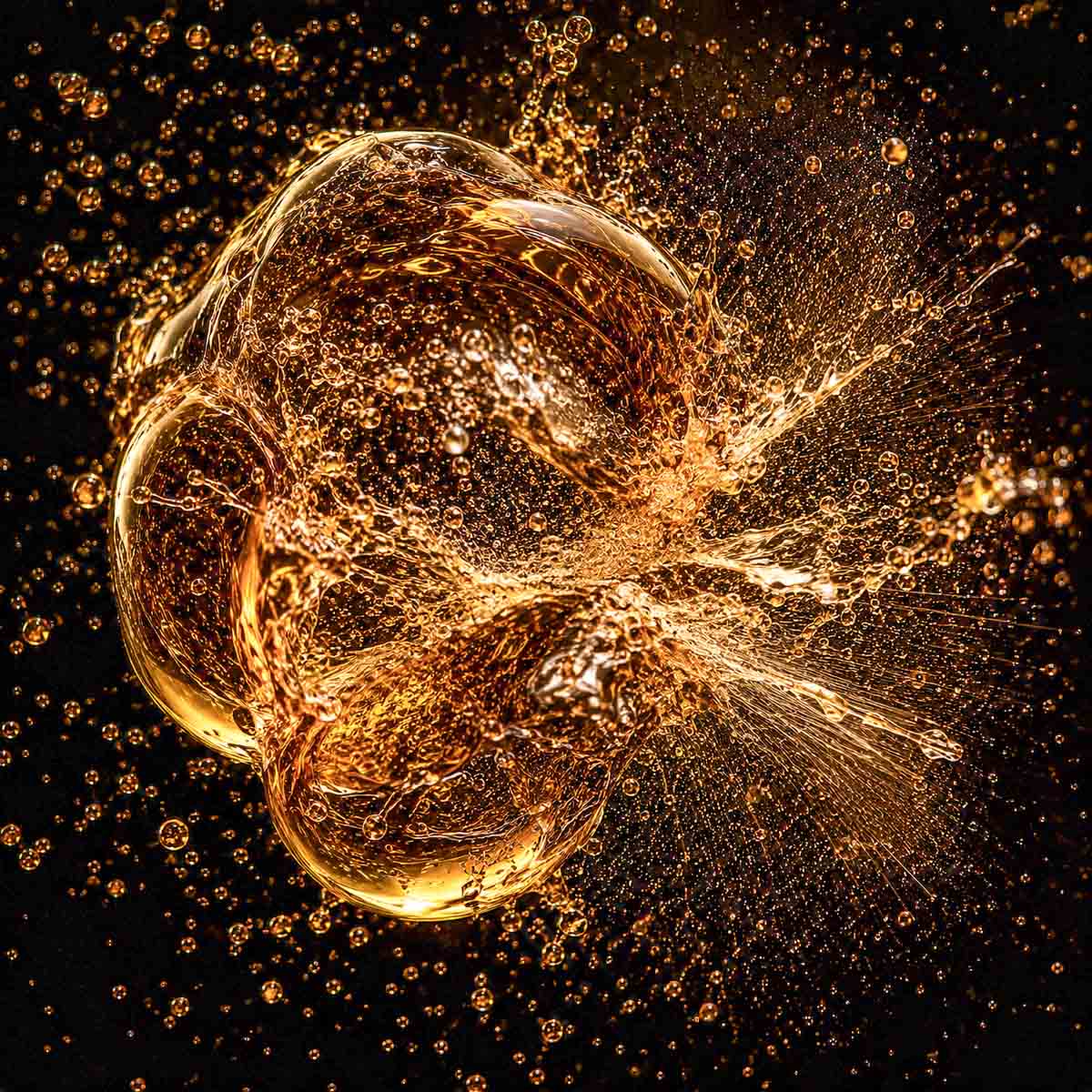
The implosive collapse of cavitation bubbles concentrates kinetic energy into a tiny volume, producing peak pressures of hundreds to thousands of atmospheres and generating pressure shockwaves that propagate through the liquid. These shockwaves deliver a transient mechanical impulse to surfactant monolayers surrounding emulsified oil droplets, displacing surfactant molecules and enabling coalescence. Larger merged droplets then rise according to Stokes’ law.
Successive implosion chambers deliver cumulative energy. Injected gas is progressively fragmented into a broad bubble size distribution extending to the nanoscale. The cavitation mechanism itself is driven by pressure dynamics and flow geometry, independent of the specific gas used (air, nitrogen, oxygen, ozone, or CO₂). Gas choice influences post-formation chemical interactions at the bubble surface and in the bulk liquid, not bubble generation. Different gases interact differently depending on the surrounding liquid environment and the desired consequence — a key principle for optimising applications.
This dual action — emulsion disruption plus nanobubble creation — provides a powerful new platform for redefining DAF performance across industrial sectors, correcting common misconceptions that cavitation is merely a mechanical or thermal phenomenon without thermodynamic interfacial benefits.
The second mechanism is thermodynamic. The Gibbs adsorption isotherm describes how surfactants, which lower surface tension, preferentially accumulate at gas-water interfaces to minimise total interfacial energy. This creates a strong driving force for surfactant molecules to migrate spontaneously from bulk water to any available interface. The migration is spontaneous and continuous as long as a concentration gradient exists.
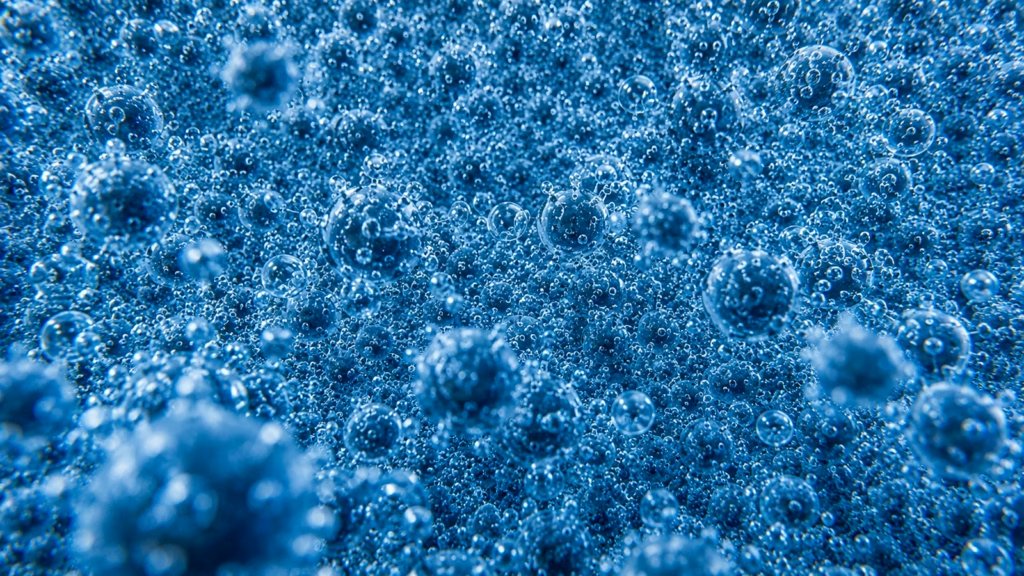
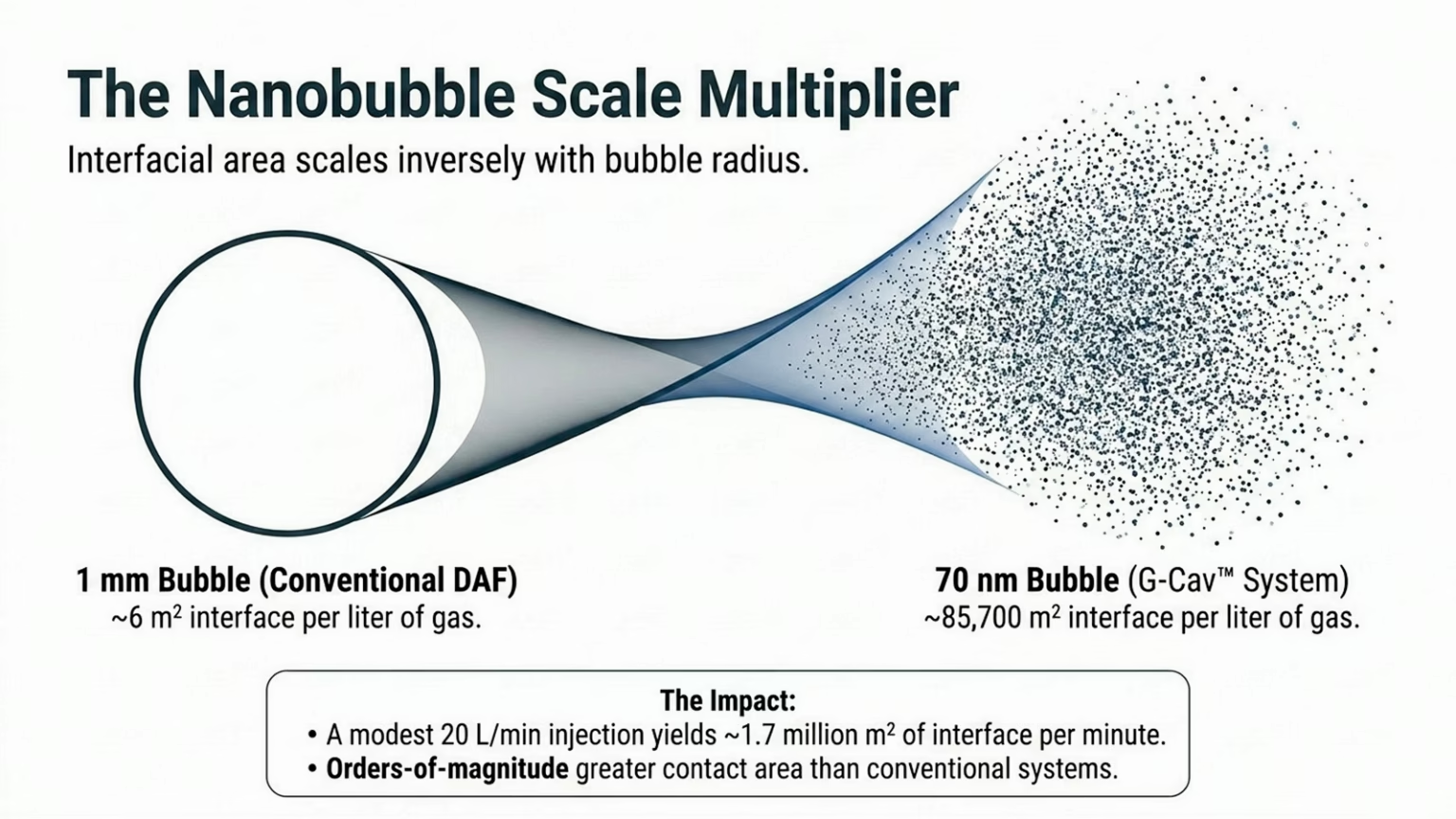
The significance of G-Cav™ lies in the enormous interfacial area generated by its nanobubble population. Interfacial area scales inversely with bubble radius. For a fixed volume of injected gas, smaller bubbles provide disproportionately more total interface.
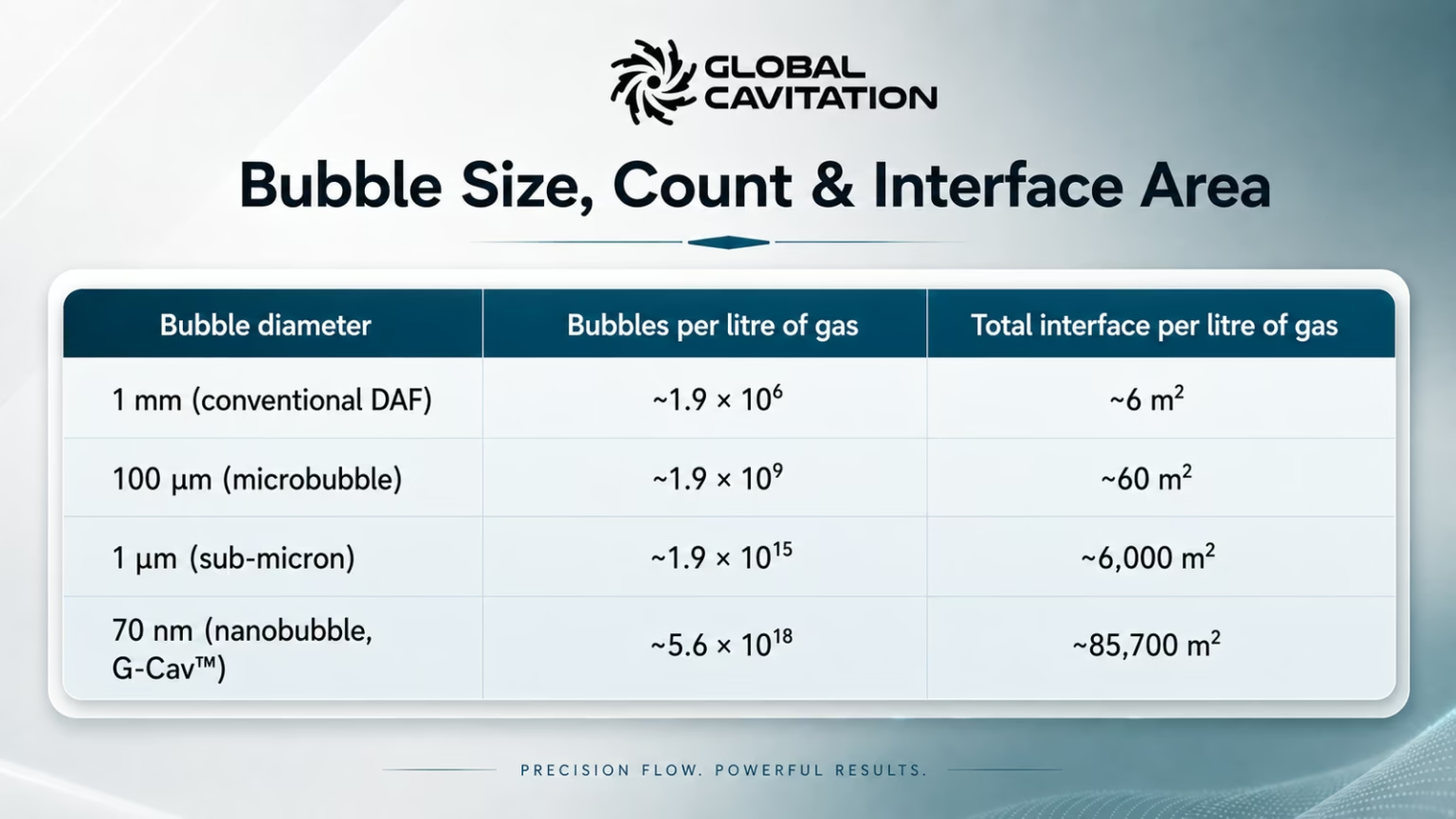
At 70 nm, 1 litre of gas yields ~85,700 m² of interface; modest injection rates (e.g., 20 L/min) deliver ~1.7 million m² per minute distributed throughout the treatment volume. This creates orders-of-magnitude greater contact area than conventional systems for Gibbs adsorption scavenging across every square millimetre of interface.
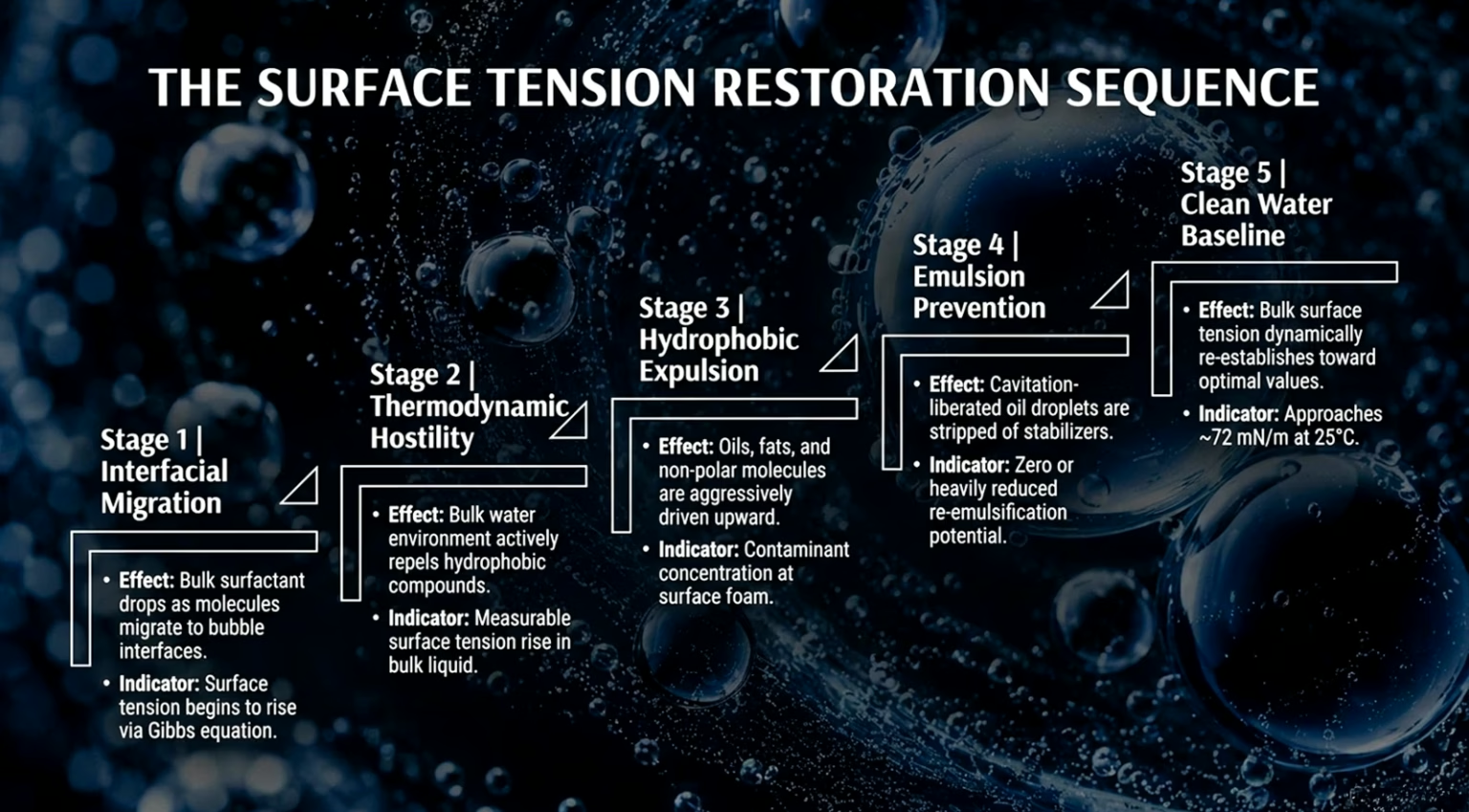
The consequences of sustained Gibbs adsorption scavenging across a nanobubble cloud form a sequence of coupled effects that progressively transform the bulk water chemistry:
Cavitation emulsion breaking and Gibbs adsorption scavenging are not independent processes — they are mutually reinforcing in a thermodynamically self-reinforcing loop:
Each process amplifies the other’s outcome, producing combined effects substantially greater than either mechanism alone. This feedback loop is central to the technology’s superior performance.
Both mechanisms converge on surface foam formation suitable for physical skimming. Microbubbles provide buoyancy transport for liberated oils; nanobubbles contribute to stable foam lamellae. The same surfactant monolayers that stabilised emulsions in the bulk now stabilise the foam, relocating contaminants from water to a concentrated, skimmable layer. Foam is stable because Gibbs adsorption continues at the bubble-air interface of the foam lamellae.
Foam fractionation routinely achieves concentration factors of 10–100, transforming downstream waste management. The concentrated stream is cheaper to transport and process; in many cases (recovered food-grade fats or refinery hydrocarbons) it has direct commodity value. Increased gas throughput can be tuned to adjust the micro/nanobubble ratio for specific applications.
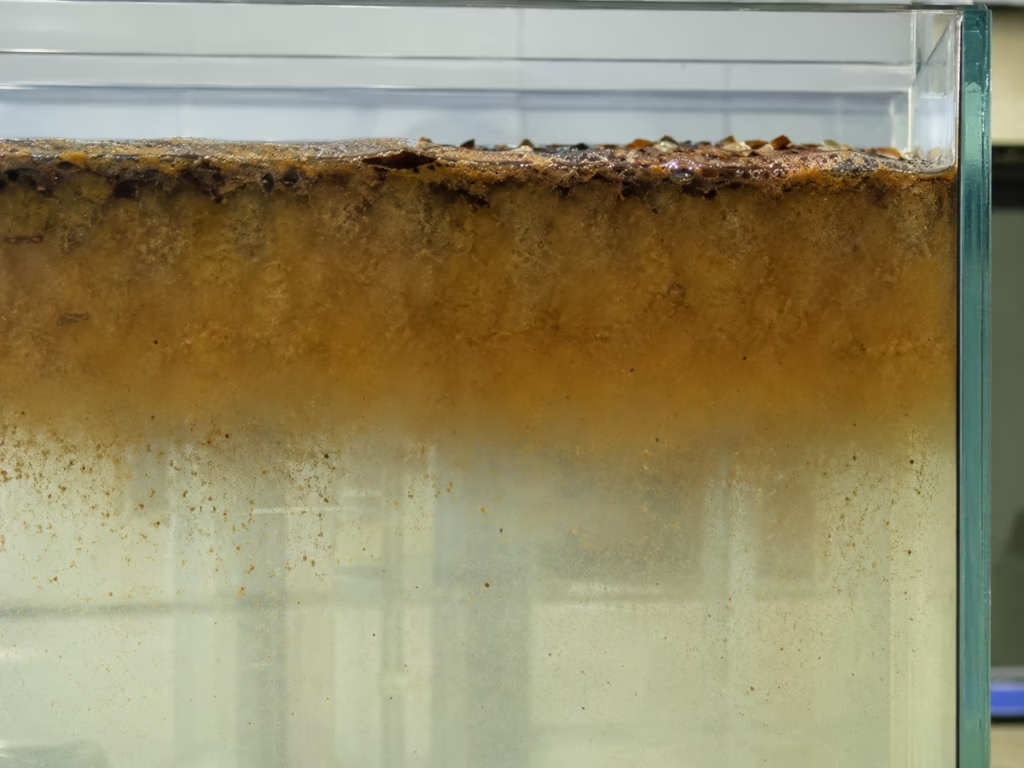
The thermodynamic basis of Gibbs adsorption defines which contaminant classes are amenable to concentration and removal. The relevant property is surface activity — the tendency to partition to gas-water interfaces. The Gibbs isotherm applies to any compound that reduces surface tension, regardless of chemical class.
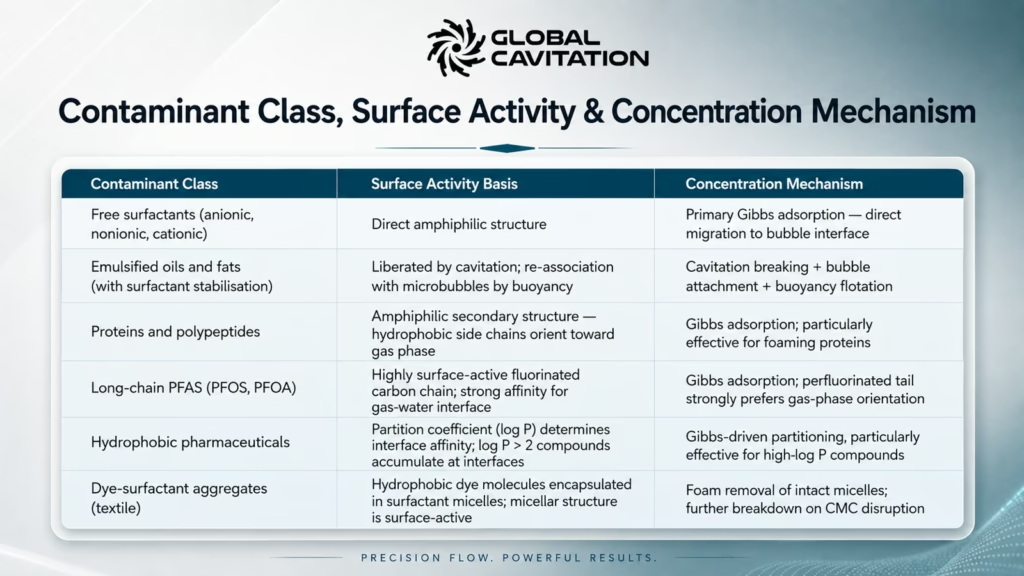
The unifying characteristic is thermodynamic behaviour at the gas-water interface, not chemical class. What varies is the rate and extent of interfacial accumulation, related to measurable properties such as surface tension reduction per unit concentration and partition coefficient
The Gibbs adsorption isotherm predicts that the rate of surfactant migration to bubble interfaces relates to the concentration gradient between bulk water and interface. Higher bulk surfactant concentration provides a stronger thermodynamic driving force — more surfactant populates the enormous interfacial area created by the nanobubble cloud, and surface tension restoration proceeds faster. Industrial process effluents, typically carrying surfactant loadings one to two orders of magnitude above municipal wastewater, present a stronger driving force. This is counterintuitive but thermodynamically self-scaling: the technology performs better, not worse, in more contaminated water. The driving force is proportional to the degree of contamination.
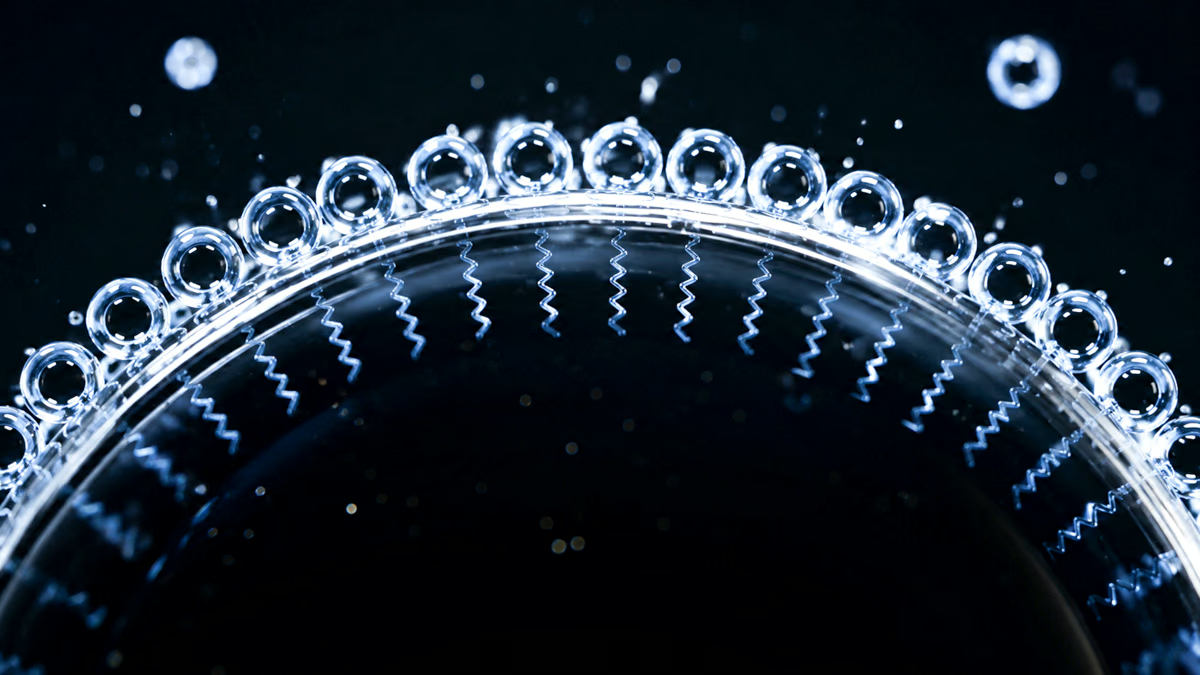
Both mechanisms converge on surface foam formation suitable for physical skimming. Microbubbles provide buoyancy transport for liberated oils; nanobubbles contribute to stable foam lamellae. The same surfactant monolayers that stabilised emulsions in the bulk now stabilise the foam, relocating contaminants from water to a concentrated, skimmable layer. Foam is stable because Gibbs adsorption continues at the bubble-air interface of the foam lamellae.
Foam fractionation routinely achieves concentration factors of 10–100, transforming downstream waste management. The concentrated stream is cheaper to transport and process; in many cases (recovered food-grade fats or refinery hydrocarbons) it has direct commodity value. Increased gas throughput can be tuned to adjust the micro/nanobubble ratio for specific applications.
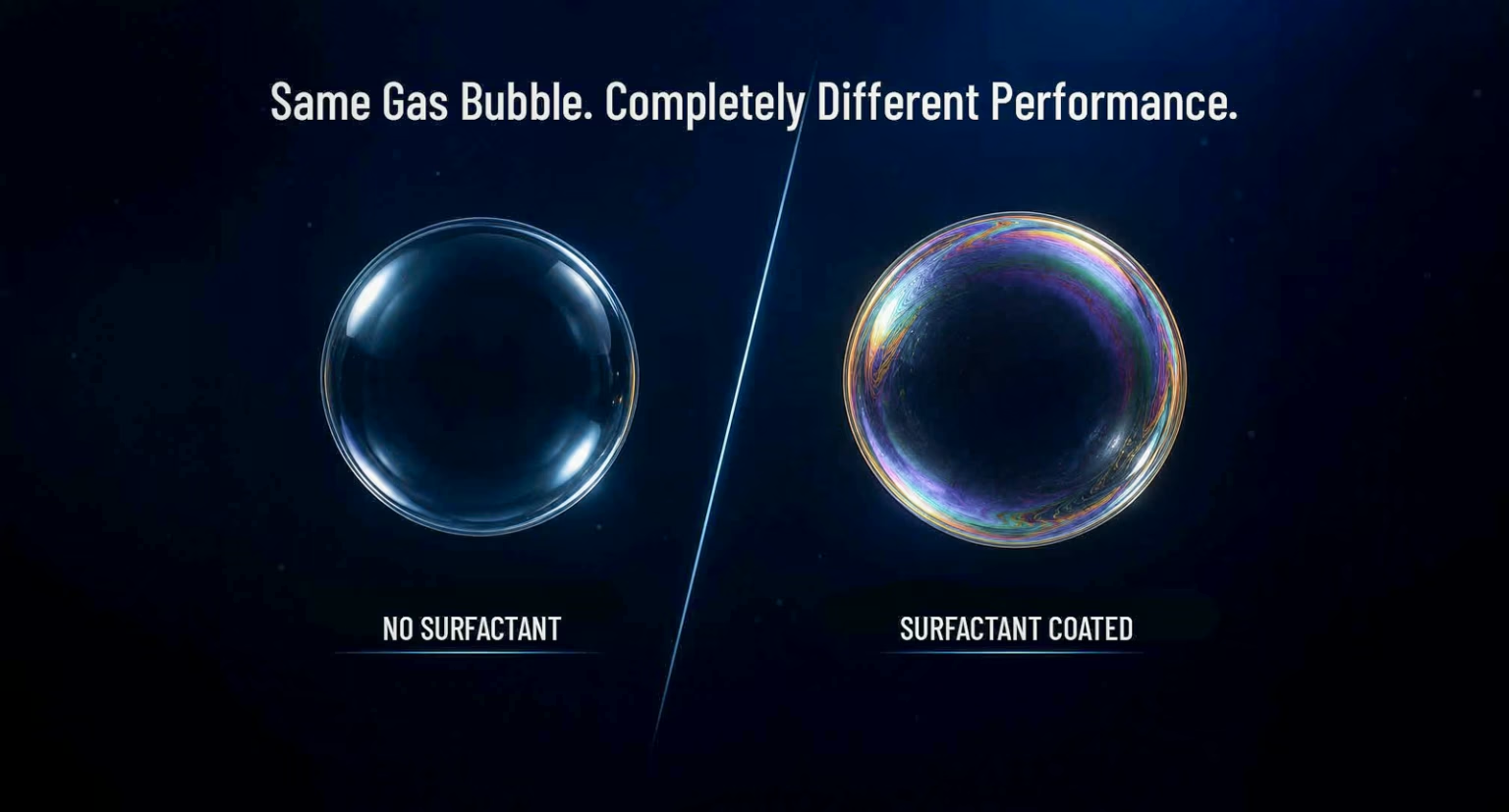
The cavitation-Gibbs platform represents a step-change in the physics and chemistry of gas-liquid interfacial processes. By generating and sustaining nanoscale bubble populations that create orders-of-magnitude greater active surface area than conventional systems, while simultaneously driving thermodynamically spontaneous surfactant depletion, it achieves emulsion breaking, contaminant concentration, and surface-tension restoration in a single, chemical-free pass.
Field-validated performance at this level fundamentally alters project economics: operators gain the ability to win and deliver larger-scale water treatment plants and process upgrades with measurably superior outcomes, unlocking tens of billions in industry-wide value as efficacy at the molecular interface becomes the new standard for competitive advantage in global water and resource management.
When assessing any treatment or gas-transfer technology, the real question is not only: How well does it perform on day one?
The more important question is: How well does it keep performing once the real fluid, the real contamination, and the real operating environment, starts pushing back?
That is the question G-Cav™ is designed to answer.
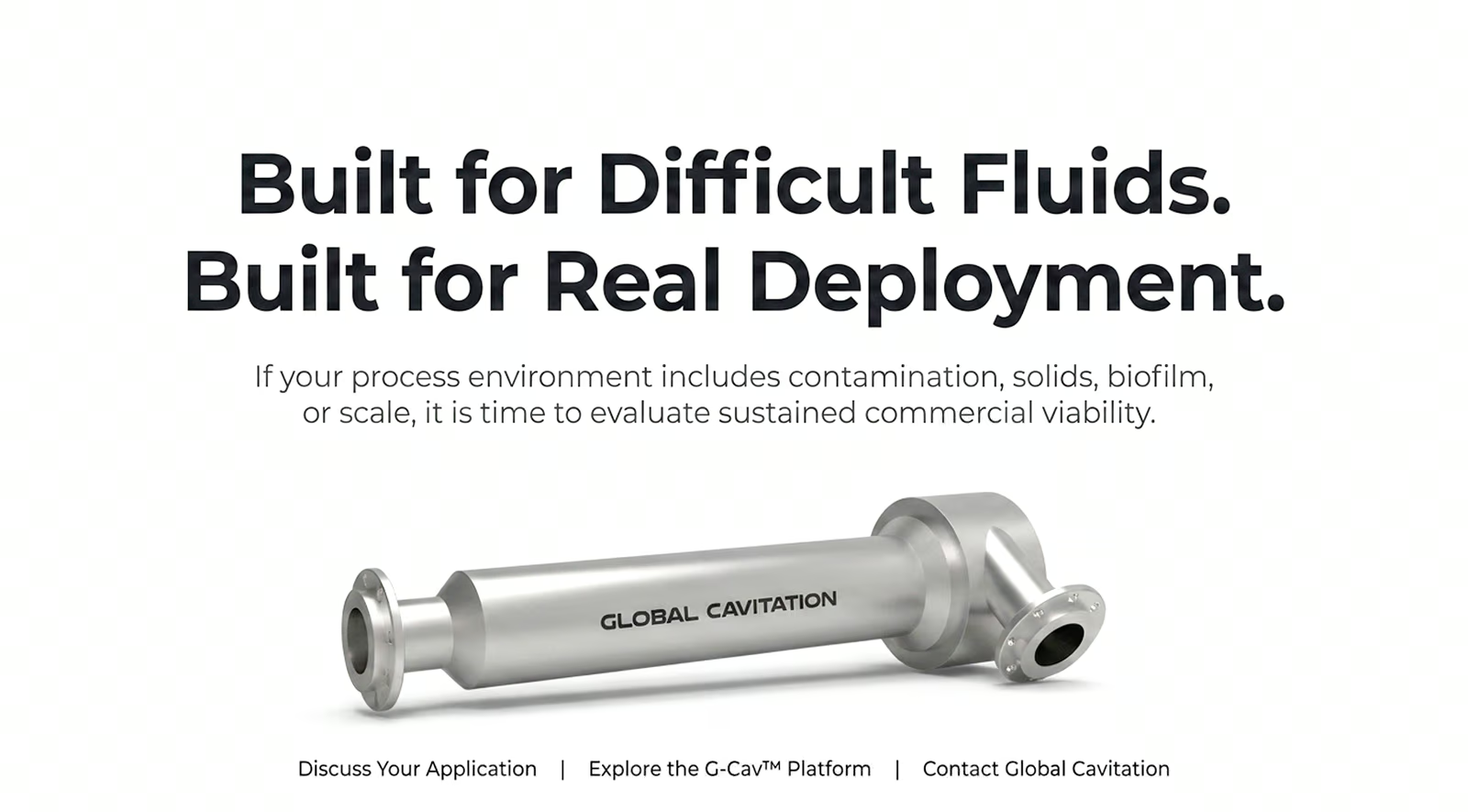
Whether you are exploring licensing, evaluating deployment, assessing technical fit, or discussing strategic alignment, Global Cavitation is ready to direct the discussion appropriately.
United States of America
Australia
Canada
South America
China
India
MENA
Southern Africa
Europe