
Environmental contamination from industrial processes, legacy military activities, agriculture, and urban development affects soils, aquifers, rivers, lakes, and reservoirs across the globe.
Hydrocarbons, persistent organic compounds, nutrients, and other recalcitrant chemicals continue to impair water quality, ecological function or land usability, creating long-term environmental and commercial liabilities.
Conventional remediation approaches often deliver only partial or temporary results and can generate secondary waste streams that require further management. More precise removal and concentration technologies, capable of addressing contaminants at source before supporting ecological recovery, now offer a more complete and durable pathway.
The degradation of lakes, reservoirs, rivers, estuaries, wetlands, and groundwater aquifers remains one of the most persistent and costly environmental challenges facing water managers, catchment authorities, utilities, remediation contractors, and regulators.
Many conventional remediation methods address symptoms rather than causes. Chemical dosing, mechanical aeration, dredging, and pump-and-treat systems can all have a place, but they often require ongoing input, create secondary burden, or fail to change the internal conditions driving poor water quality in the first place.
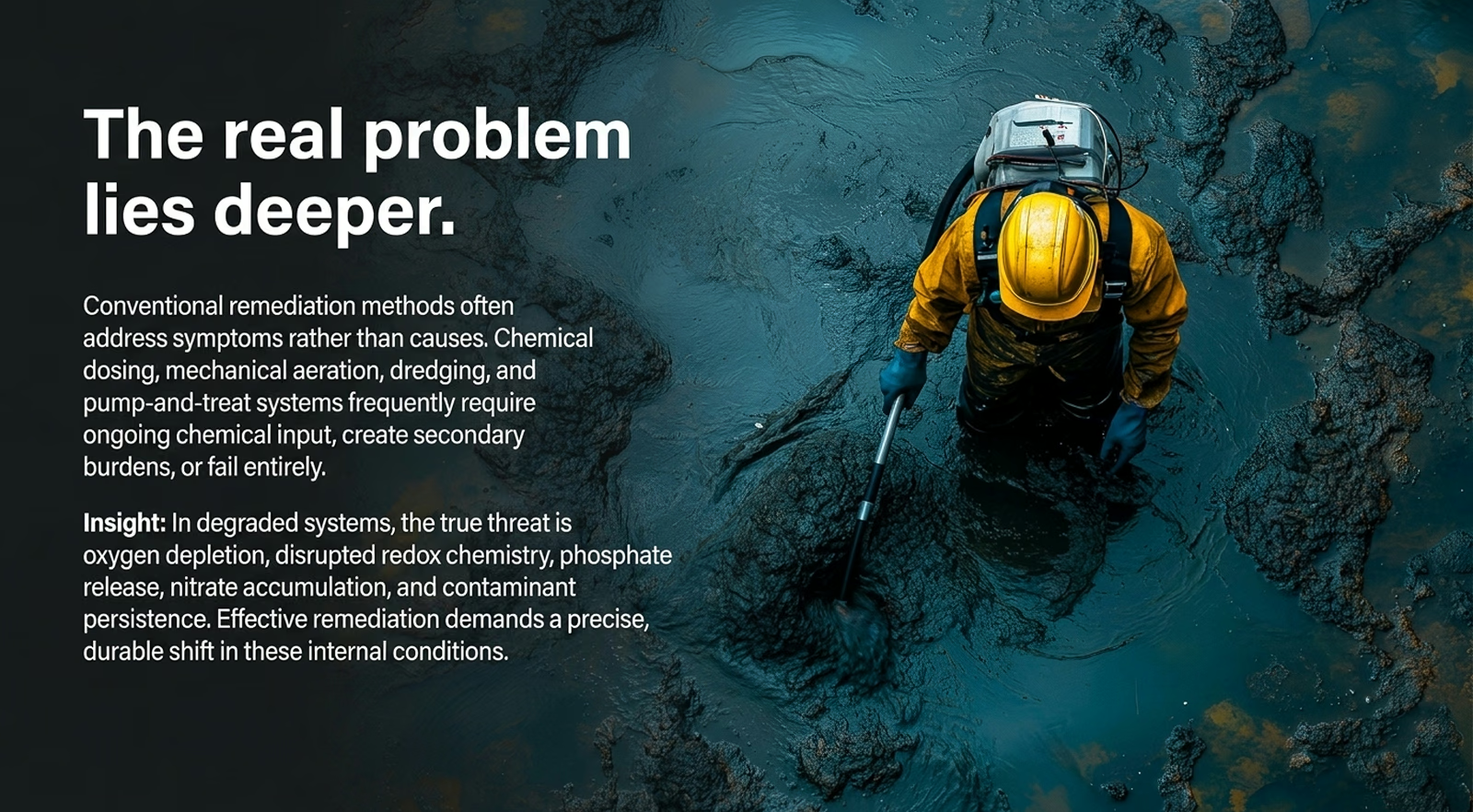
In degraded systems, the real problem is usually deeper: oxygen depletion, disrupted redox chemistry, phosphate release from sediments, nitrate accumulation, hydrogen sulphide formation, algal bloom pressure, contaminant persistence, or a combination of several of these factors at once. Effective remediation depends on shifting those internal conditions in a more precise and more durable way.
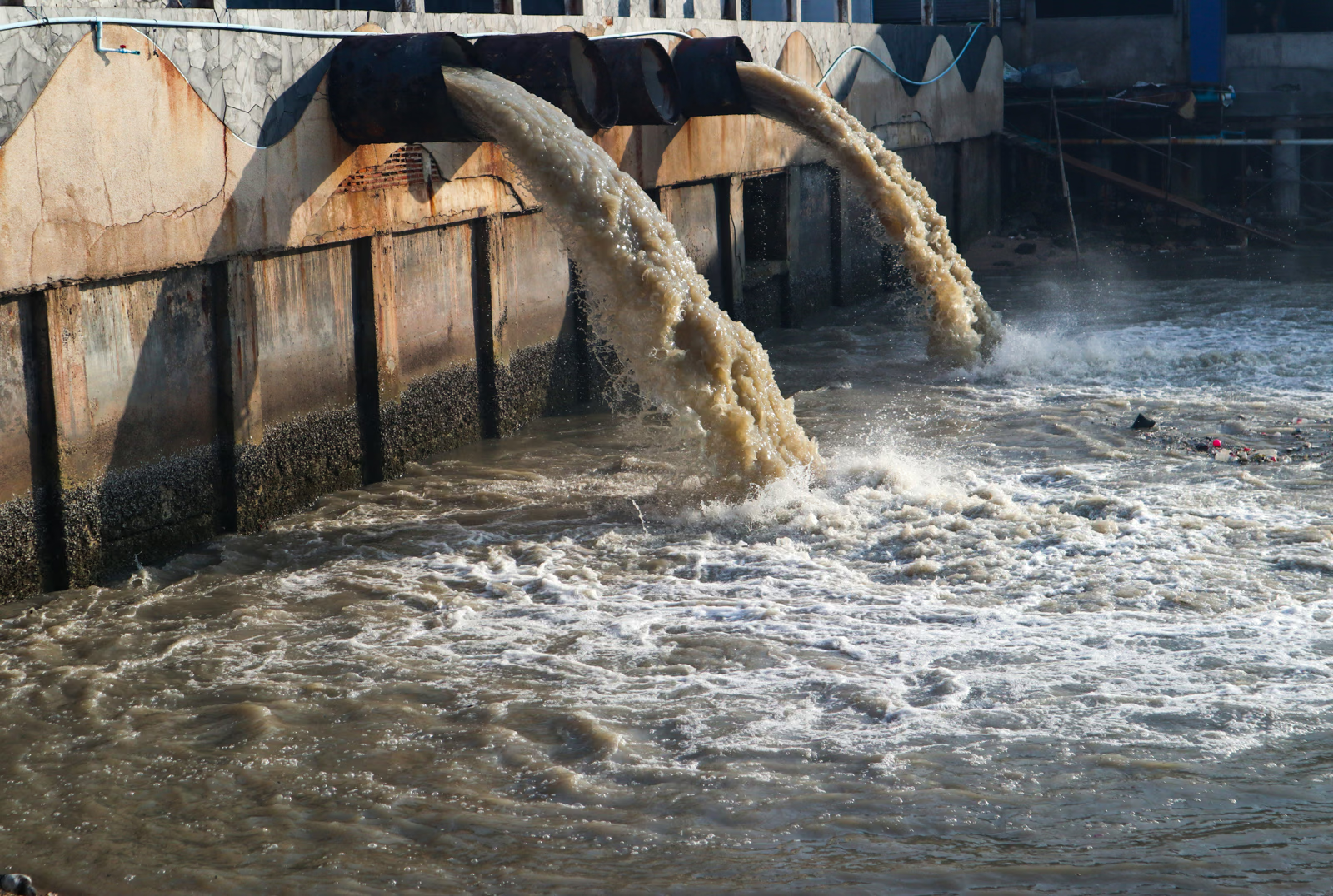
Before meaningful ecological healing or water-body restoration can occur, the primary contaminant load must first be addressed through concentration, removal, or advanced oxidation. Surface-active and hydrophobic compounds, including PFAS, FOG’s, hormones, pharmaceuticals, exhibit strong affinity for gas-water interfaces and are frequently among the most persistent species in degraded environments.
G-Cav’s multistage hydrodynamic cavitation generates dense nanobubble populations that drive Gibbs adsorption scavenging, rapidly stripping these molecules from the bulk phase while cavitation shockwaves simultaneously break stabilised emulsions. Surfactant depletion also removes a major competitive sink for reactive species, enabling significantly higher mass transfer and oxidative efficacy when ozone (with optional UV augmentation) is introduced.
This front-end concentration and oxidative step materially reduces volumetric load and residual liability, establishing the necessary conditions for effective downstream oxygenation, redox restoration, and ecological rehabilitation.
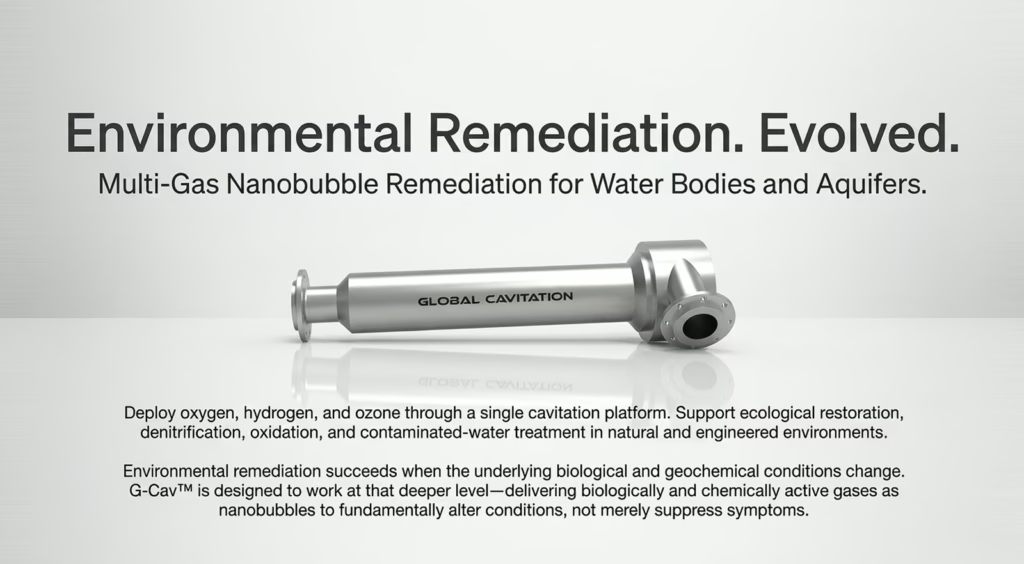
Deploy oxygen, hydrogen, and ozone through one cavitation platform to support ecological restoration, denitrification, oxidation, and contaminated-water treatment in natural and engineered environments.
Environmental remediation succeeds when the underlying biological and geochemical conditions of a water body begin to change, not merely when the symptoms are temporarily suppressed. G-Cav™ is designed to work at that deeper level by delivering biologically and chemically active gases directly into the liquid environment as nanobubbles, using one platform that can be adapted to very different remediation pathways.
Oxygen nanobubble injection at depth is designed to interrupt that cycle by restoring dissolved oxygen where it matters most. That supports phosphate immobilisation, helps reduce hydrogen sulphide generation, restores conditions for nitrification, and improves the broader geochemical stability of the water body without relying on chemical addition.
This matters because the goal is not simply to raise oxygen near the surface. It is to restore the deeper aerobic conditions that allow the system to begin recovering its own internal balance.
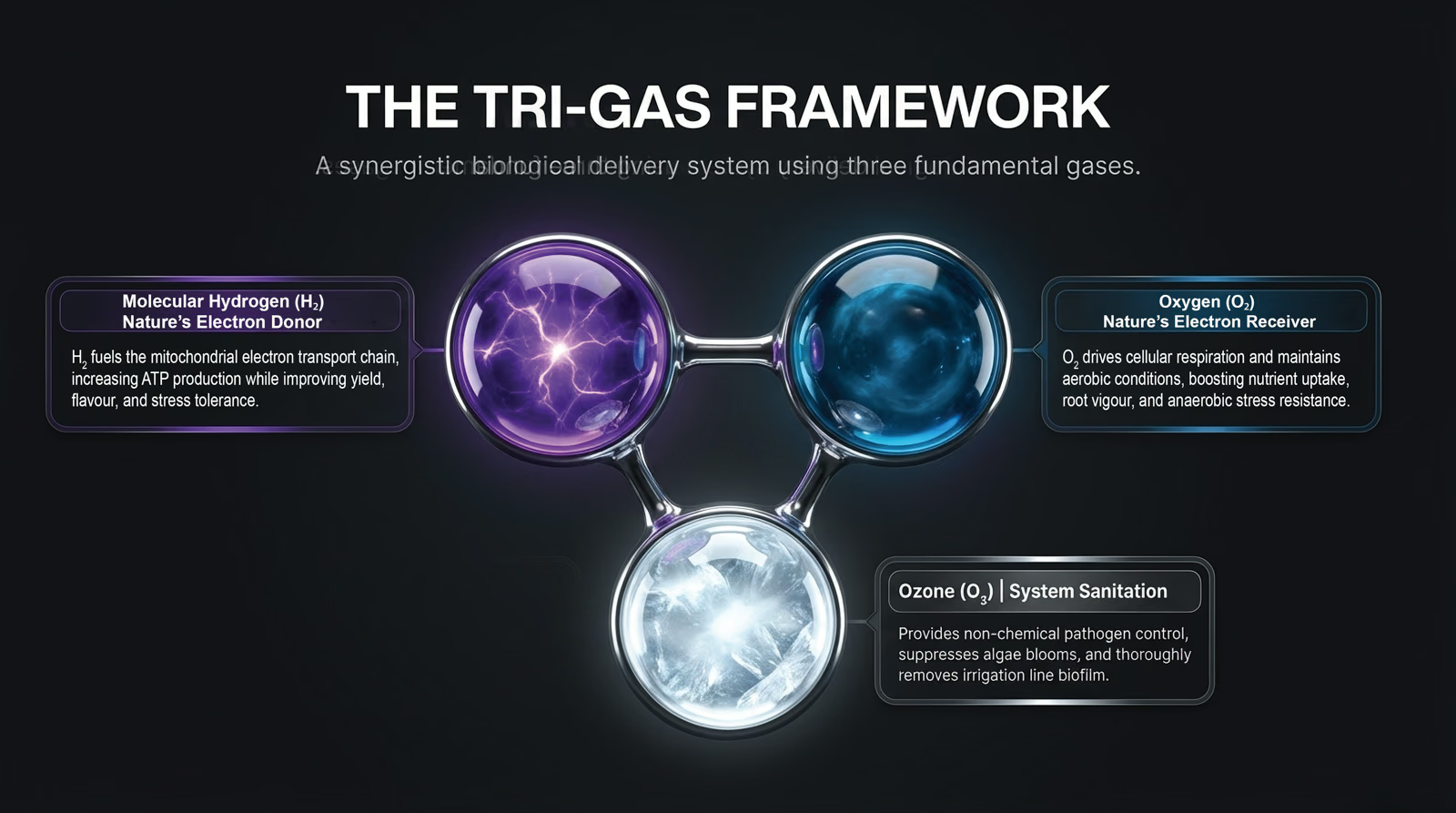
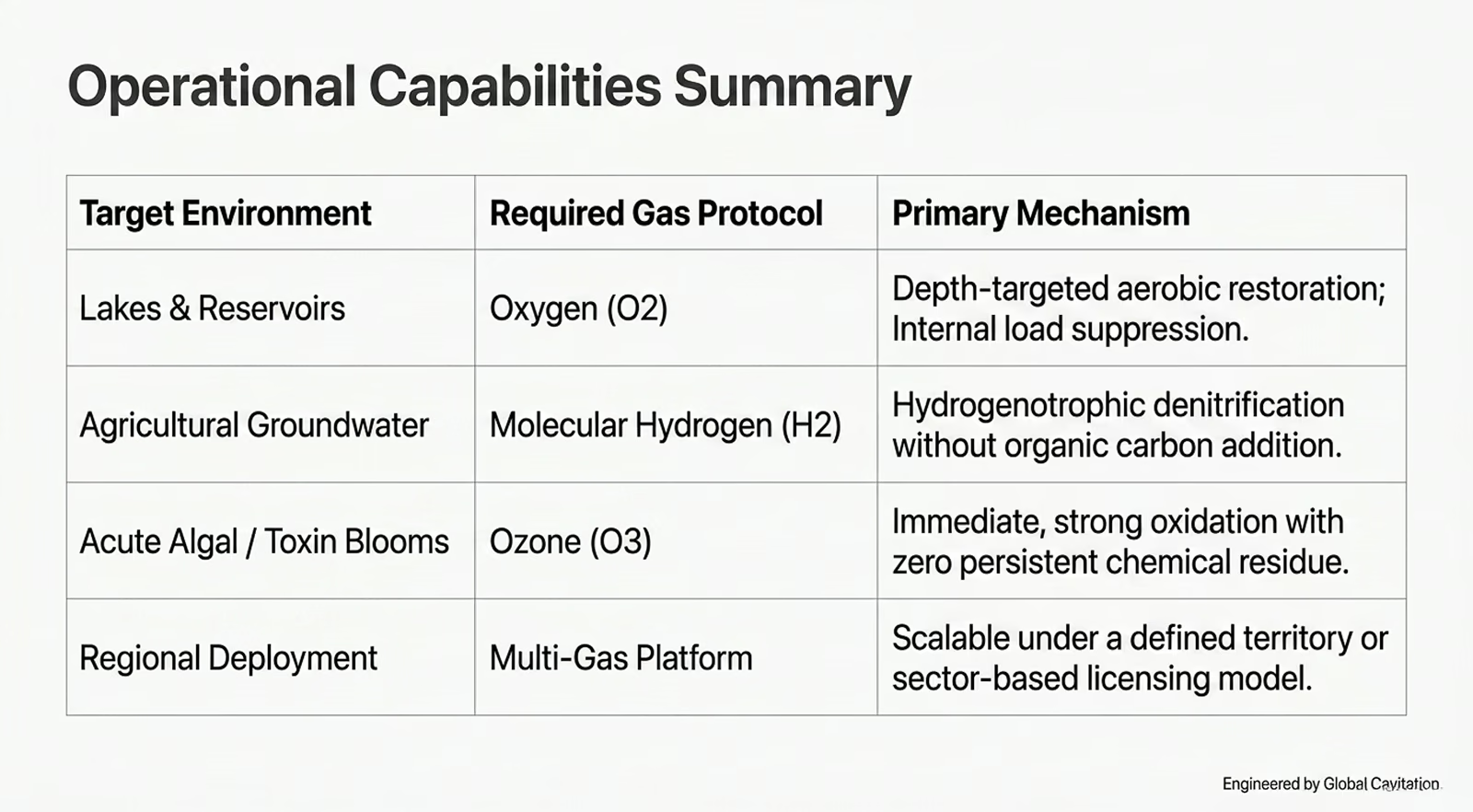
The strength of G-Cav™ in environmental remediation lies in its three-gas framework. The same cavitation platform can generate nanobubbles from oxygen, molecular hydrogen, or ozone, with the treatment outcome determined by the gas being delivered rather than by a change in reactor architecture.
Oxygen is used where the primary challenge is hypoxia, eutrophication, blackwater stress, reduced sediment chemistry, ammonium accumulation, or hydrogen sulphide generation. Oxygen nanobubble delivery restores aerobic geochemistry at depth and helps re-establish the biological conditions required for healthier water quality.
Molecular hydrogen is used where nitrate contamination and carbon-limited denitrification are the central problem. In those environments, hydrogen serves as an electron donor for hydrogenotrophic denitrifying bacteria, supporting nitrate conversion to nitrogen gas without requiring organic carbon addition.
Ozone is used where strong oxidation is required. That includes algal bloom control, cyanotoxin reduction, odour suppression, organic contaminant attack, and selected oil or surface-active contamination events.
This creates a remediation platform that is unusually flexible. One installed technology base can be adapted to multiple site types and treatment objectives simply by changing the gas protocol.
Eutrophication remains one of the most widespread water-quality problems in lakes, reservoirs, rivers, and estuaries. Excess nutrient loading drives excessive algal growth, oxygen depletion, ammonium accumulation, and a self-reinforcing cycle of internal nutrient release from sediments.
One of the most important control points in that cycle is the sediment-water interface. Under aerobic conditions, phosphate remains strongly associated with ferric iron and stays immobilised in the sediment. Under anoxic conditions, that chemistry breaks down, phosphate is released into the water column, and the system effectively begins fertilising itself from within.
Oxygen nanobubble injection at depth is designed to interrupt that cycle by restoring dissolved oxygen where it matters most. That supports phosphate immobilisation, helps reduce hydrogen sulphide generation, restores conditions for nitrification, and improves the broader geochemical stability of the water body without relying on chemical addition.
This matters because the goal is not simply to raise oxygen near the surface. It is to restore the deeper aerobic conditions that allow the system to begin recovering its own internal balance.

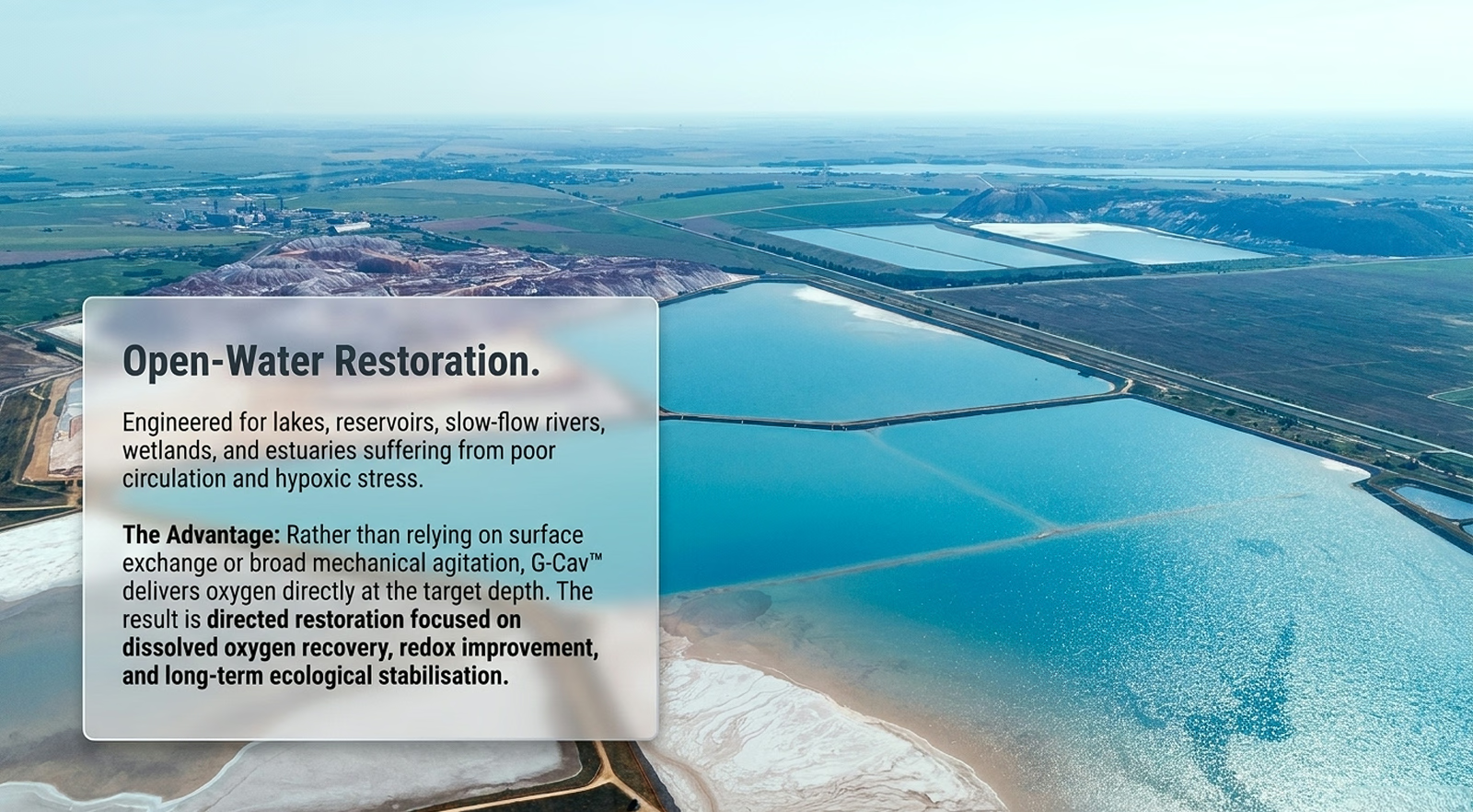
Open-water restoration is one of the clearest environmental applications for the platform. Lakes, reservoirs, slow-flow river reaches, wetlands, impoundments, and estuarine environments often suffer from low dissolved oxygen at depth, poor circulation, sulphide formation, odour, fish stress, and persistent bloom pressure.
In these systems, G-Cav™ can be configured to deliver oxygen at the target depth rather than relying on surface exchange or broad mechanical agitation alone. That allows a more directed restoration approach focused on dissolved oxygen recovery, redox improvement, sediment-interface support, and broader ecological stabilisation.
The ecological benefits of that shift can include improved habitat quality, reduced hypoxic stress, less likelihood of blackwater conditions, reduced odour, and stronger conditions for aquatic organisms to recover.
Nitrate contamination of groundwater and agricultural drainage is a long-term water-quality problem in many agricultural regions. Biological denitrification is the only pathway that permanently removes nitrate from water by converting it to nitrogen gas, but in many aquifers and drainage systems that process is limited by the absence of a suitable electron donor.
Hydrogen provides a different route. In hydrogenotrophic denitrification, molecular hydrogen acts as the electron donor for naturally occurring denitrifying bacteria, allowing nitrate to be converted to nitrogen gas without requiring the addition of organic carbon.
That has major implications for groundwater and drainage treatment. Instead of extracting water, treating it externally, and returning only a fraction of the benefit to the aquifer or channel, the treatment logic can move in situ. The target becomes the contamination zone itself rather than only the extracted symptom.
Where nitrate loading is the defining challenge, the hydrogen pathway creates a remediation mechanism that is chemically elegant, residue-free, and directly aligned with the biology already present in the system.
Groundwater remediation presents a unique engineering challenge because the target lies within porous media and must be reached through injection wells rather than direct open-water deployment. In these contexts, treatment success depends on how effectively the gas can be delivered through the pore-water environment from the injection point.
G-Cav™ is relevant here because nanobubble gas delivery changes the transport problem. Instead of relying on conventional sparging behaviour, where gas migration and preferential flow paths can limit treatment radius, the gas is delivered into dissolved form at the point of injection and then distributed through the aquifer by diffusion and advection.
For oxygen, that supports aerobic biodegradation in petroleum or hydrocarbon-affected plumes. For hydrogen, it supports nitrate removal through hydrogenotrophic denitrification in carbon-limited aquifers. In both cases, the value lies in treating the contamination where it exists rather than only managing extracted water at the surface.
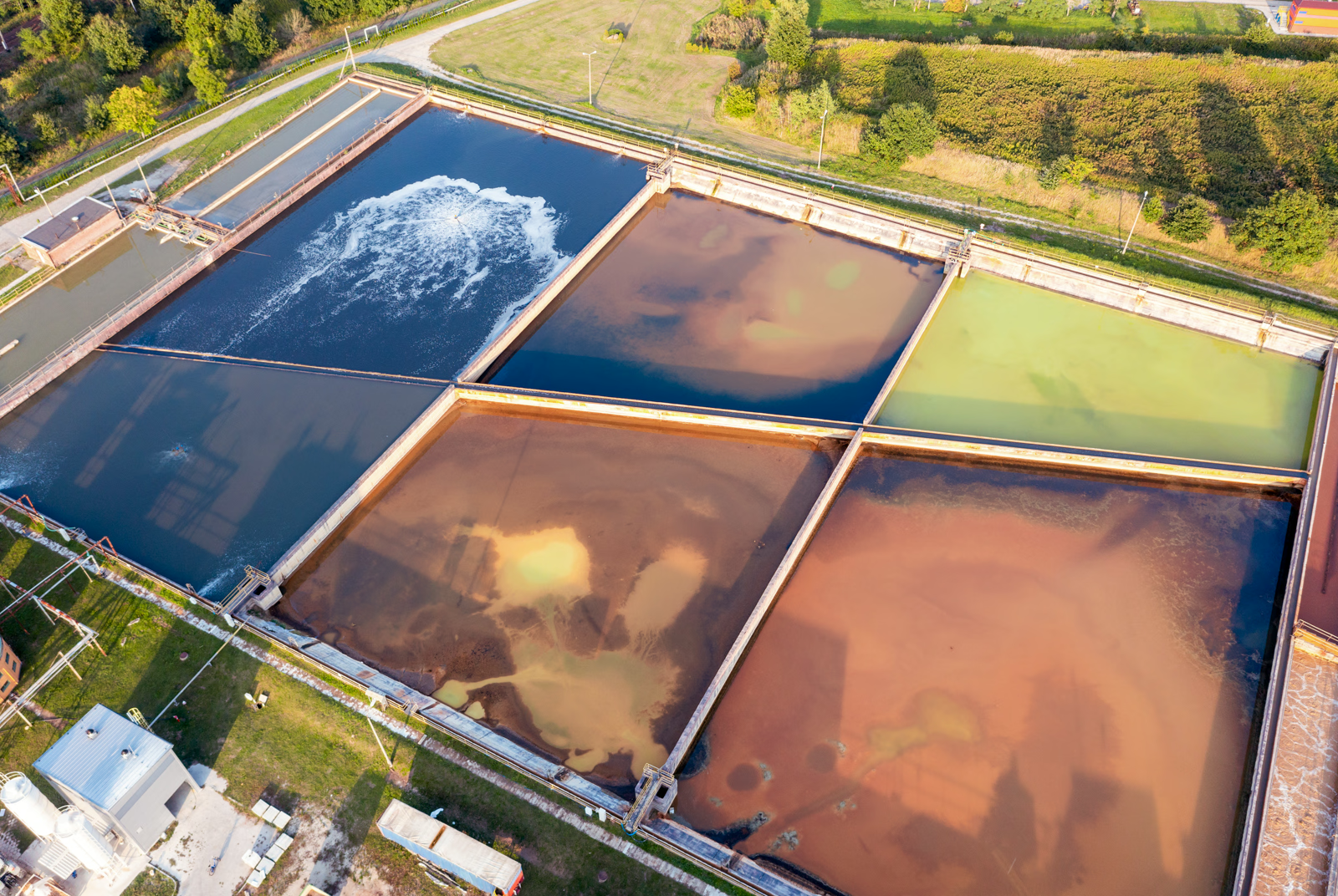
Some remediation scenarios are not long-horizon restoration projects. They are acute events that demand a more immediate intervention response. Cyanobacterial blooms, cyanotoxin events, odour crises, oil contamination, and persistent organic pollutants all fall into this category.
Ozone nanobubble delivery is relevant here because ozone is one of the strongest oxidants available for water treatment and leaves no persistent chemical residue after decomposition. In practical terms, that makes it attractive for algal bloom control, cyanotoxin attack, odour suppression, selected organic contaminant destruction, and water-quality recovery in sensitive environments where residue matters.
The depth-delivery capability is also important. Blooms and contamination are not always confined to the surface. A system that can place ozone treatment where the target actually exists offers a more controlled and more useful oxidation pathway than a purely surface-applied response.
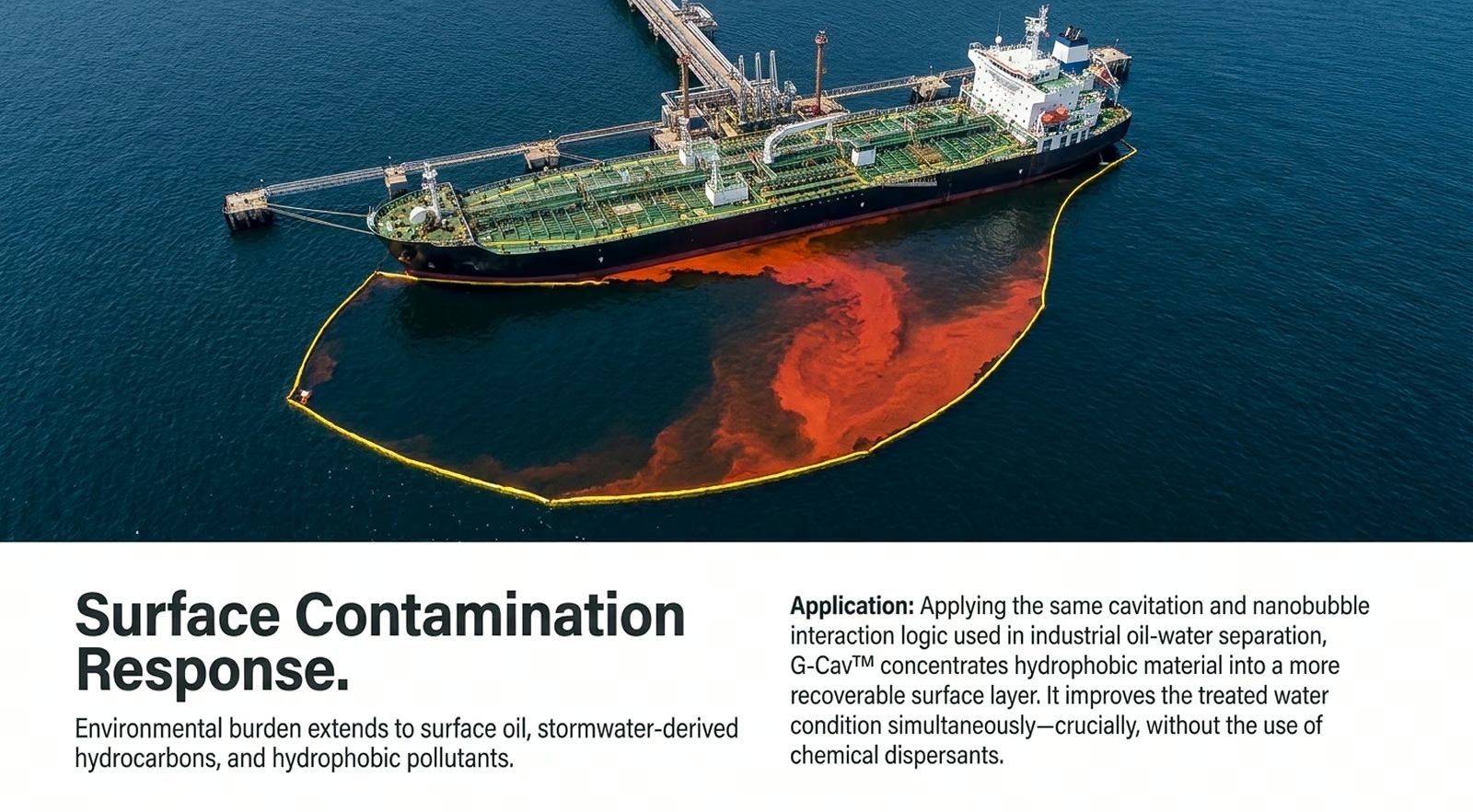
Environmental remediation is not limited to nutrients and blooms. Surface oil contamination, stormwater-derived hydrocarbons, and other hydrophobic pollutants can also require rapid treatment.
In these environments, the same cavitation and nanobubble interaction logic that supports oil-water separation in industrial streams can be applied to environmental contamination response. The practical objective is to concentrate hydrophobic material into a more recoverable surface layer without chemical dispersants, while improving the treated water condition at the same time.
That makes the platform relevant to spill response, harbour contamination, runoff-affected water bodies, and other cases where hydrocarbon presence creates both acute and chronic environmental burden.
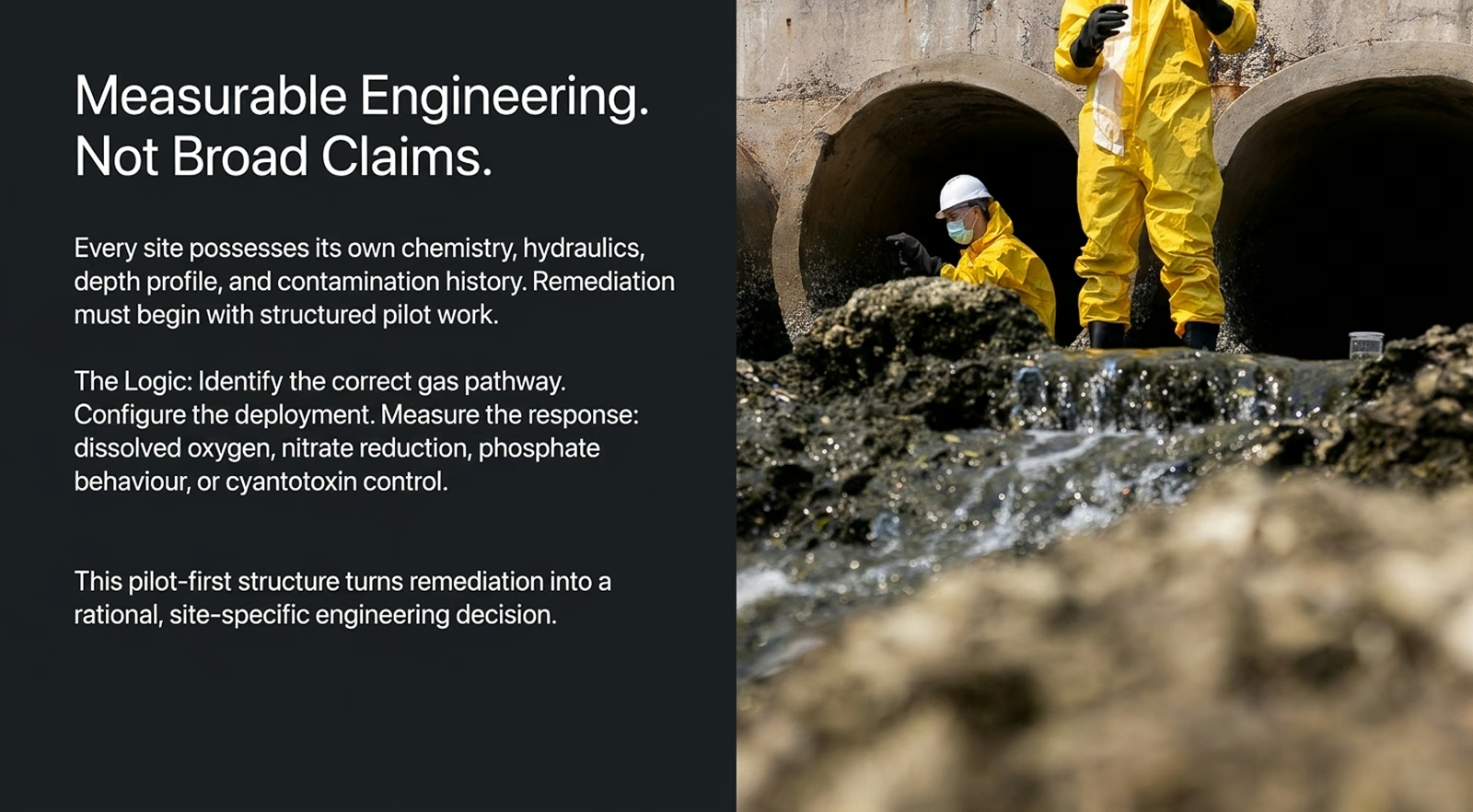
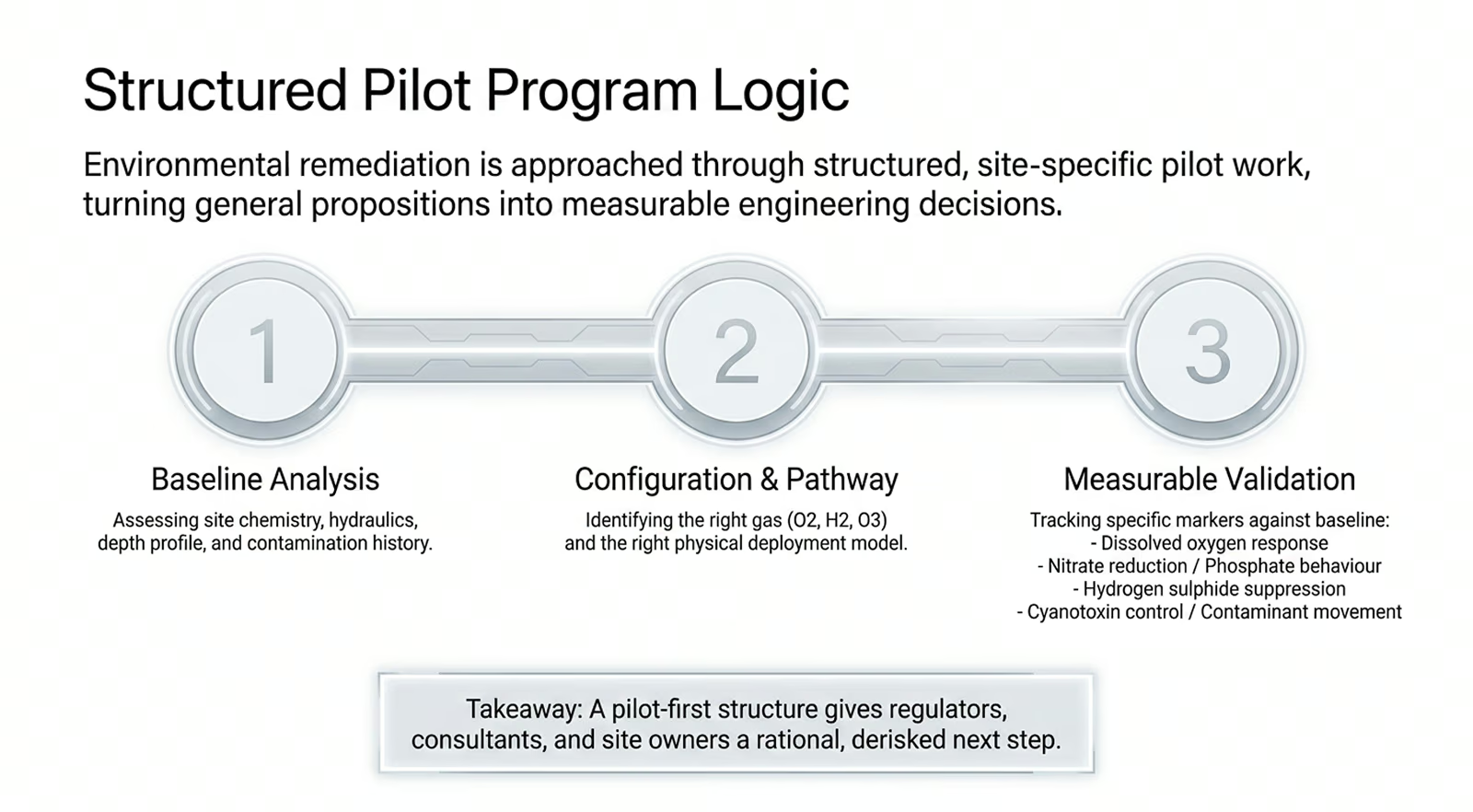
Environmental remediation should almost always be approached through structured pilot work rather than through broad deployment claims. Every site has its own chemistry, hydraulics, depth profile, contamination history, and treatment objective.
A strong pilot program begins by identifying the right gas pathway and the right deployment configuration. From there, the work becomes measurable: dissolved oxygen response, nitrate reduction, phosphate behaviour, hydrogen sulphide suppression, cyanotoxin control, contaminant movement, or odour response can all be monitored against baseline conditions.
That pilot-first structure is commercially important because it gives regulators, consultants, site owners, and partners a rational next step. It turns remediation from a general proposition into a measurable, site-specific engineering decision.
The platform can be configured in several physical formats depending on the site. Submersible deployment suits lakes, reservoirs, ponds, estuaries, and harbour environments where treatment depth matters. Inline deployment suits rivers, drainage channels, and constructed wetland flows. Injection-well deployment suits groundwater remediation and aquifer treatment.
This matters because remediation is rarely one-size-fits-all. A platform that can move between open water, flowing systems, and porous-media environments without changing its core treatment logic is commercially stronger and operationally more useful than a technology that fits only one site type.
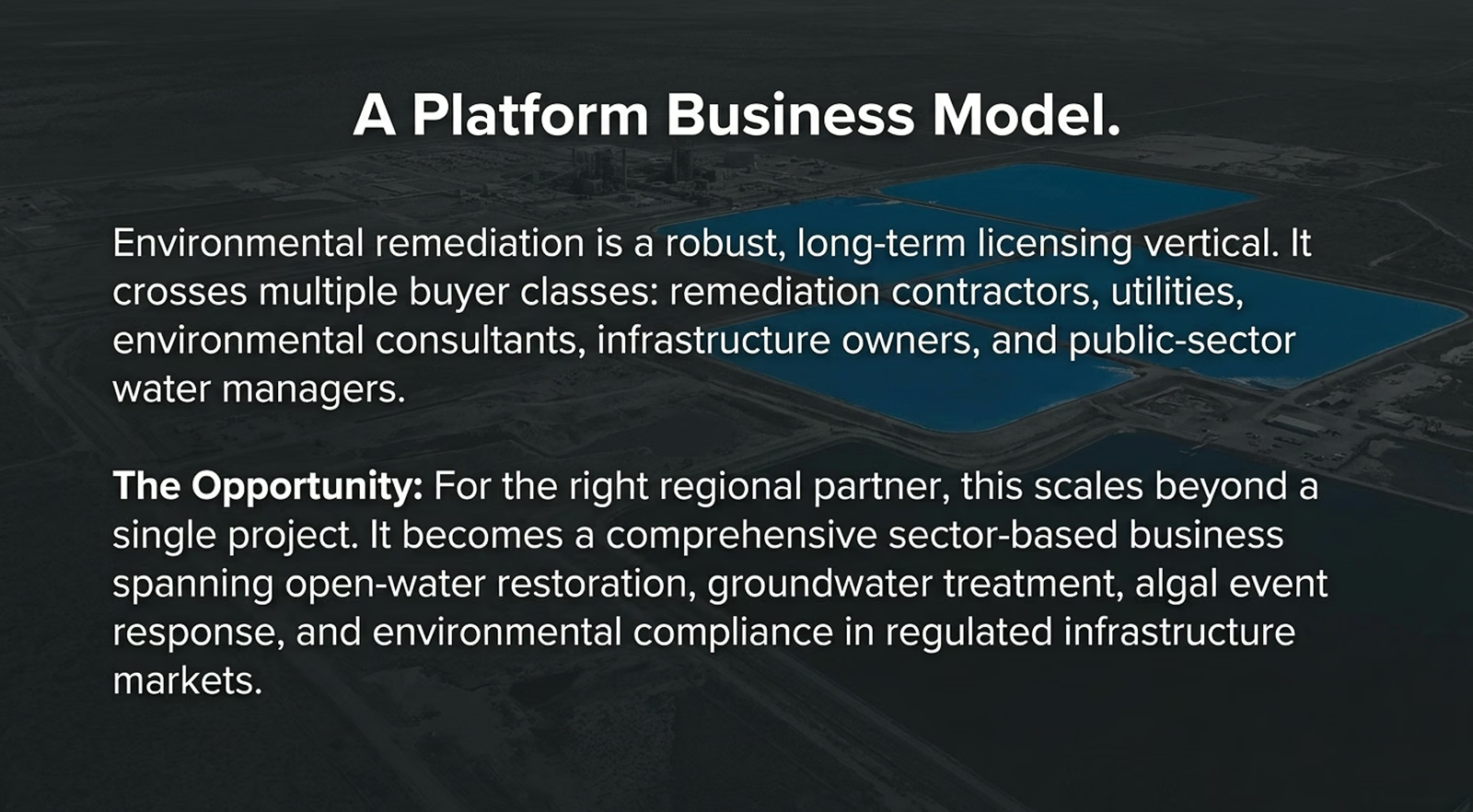
Environmental remediation is a strong long-term licensing vertical within the Global Cavitation platform because it reaches across multiple buyer classes: remediation contractors, environmental consultants, utilities, catchment authorities, infrastructure owners, industrial site operators, and public-sector water managers.
For the right regional partner, this is not only a project opportunity. It can become a platform business spanning open-water restoration, nitrate treatment, contaminated groundwater, algal event response, environmental compliance, and regulated infrastructure markets.
That is what makes remediation strategically valuable. It is technically serious, commercially relevant, and broad enough to support a meaningful territory or sector-based licensing model.
The remediation platform is generally built around three gas pathways: oxygen, hydrogen, and ozone; however, other gases such as carbon dioxide may also be used depending on the task at hand and the result required. The treatment objective changes according to the gas selected, while the same underlying cavitation platform remains in place.
Oxygen is used where the remediation objective is to raise dissolved oxygen and support aerobic treatment pathways in water bodies or process streams. Required dose and expected response depend on site conditions and should be confirmed through monitoring or a site-specific pilot.
Hydrogen is used where nitrate contamination and carbon-limited denitrification are the central problem. In those environments, hydrogen acts as an electron donor for hydrogenotrophic denitrifying bacteria and supports nitrate conversion to nitrogen gas.
Ozone is used where strong oxidation is required, including algal bloom control, cyanotoxin reduction, odour suppression, organic contaminant attack, and selected oil or surface-active contamination events.
Yes. The platform is designed to move across open water, flowing systems, and groundwater or aquifer treatment environments through different deployment formats and gas pathways, depending on the site and the remediation objective.