
New PFAS Removal Technology
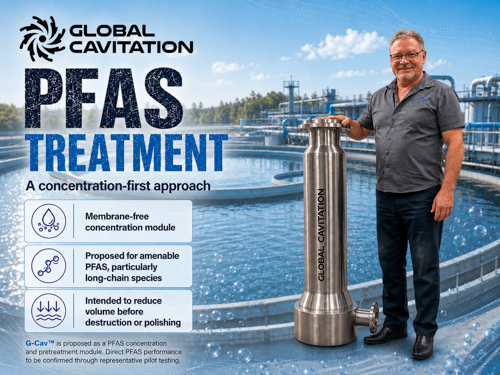
New PFAS Removal Technology – 2026: Gibbs Adsorption Mechanisms for PFAS Concentration and the Strategic Business Opportunity in Global Wastewater Treatment Global Cavitation Group Holdings Pty Ltd · August 2026 Contents 1. Technology Identification: The G-Cav Platform 2. Gibbs Adsorption Mechanism and Sub-Micro Flotation 3. Specific Association with PFAS Removal 4. Alignment with Leading Global […]
How Multistage Hydrodynamic Cavitation Turns Flow Into Process Performance
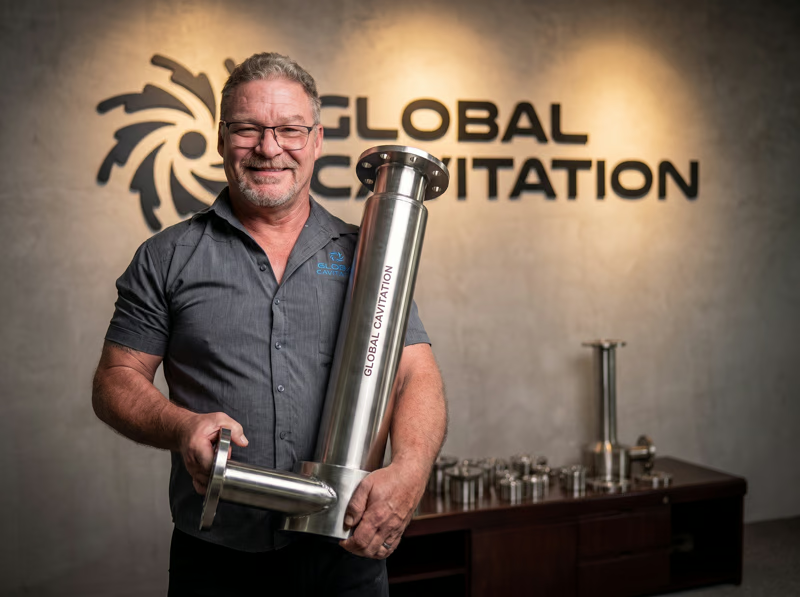
G-Cav™ is not a conventional mixer, diffuser or simple venturi. It is a vortex-induced multistage hydrodynamic cavitation platform designed to create repeated implosive events inside a flowing liquid stream.
G-Cav™ Food & Beverage Wastewater Treatment and Process Water Quality
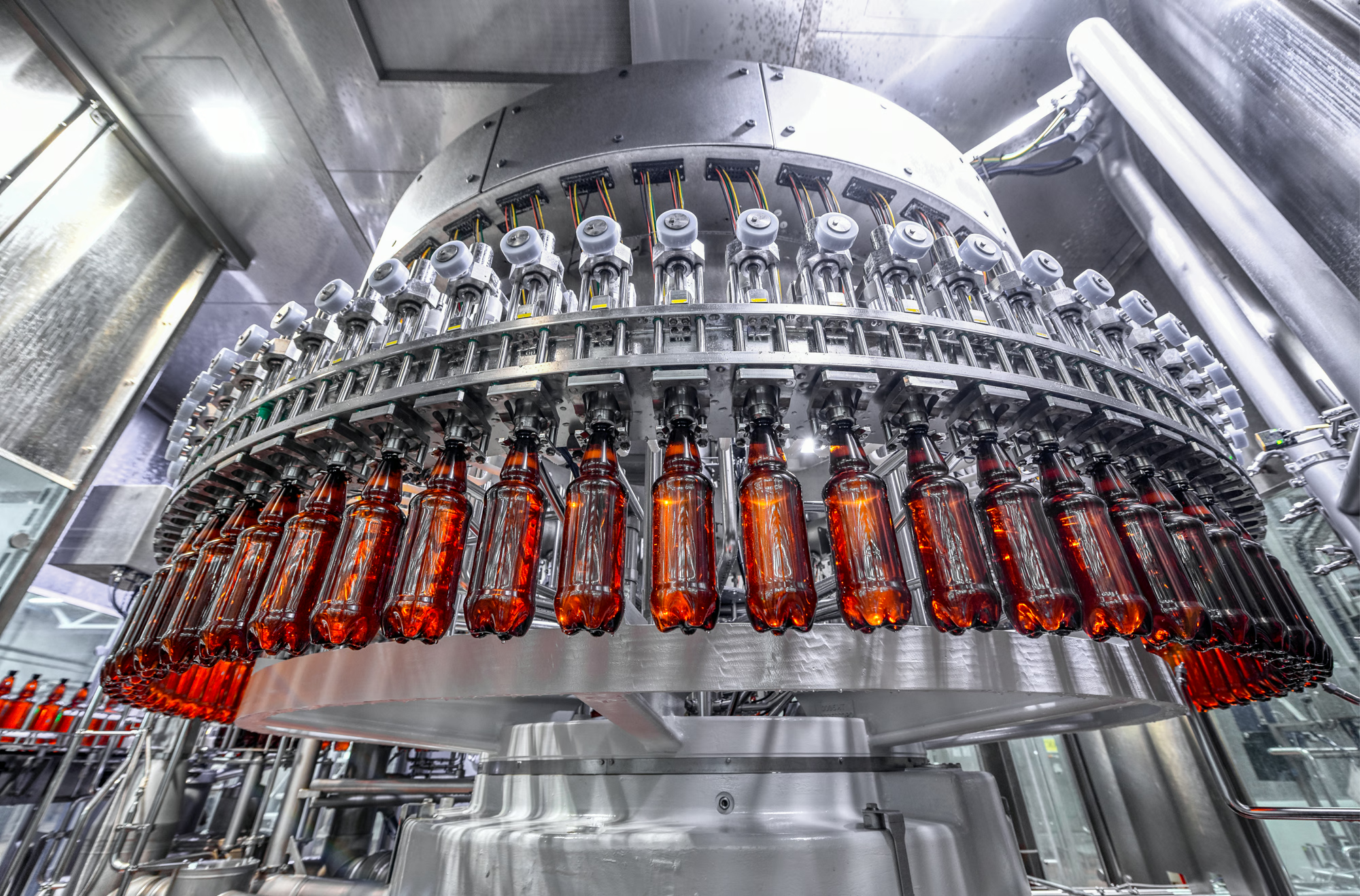
G-Cav™ FOOD & BEVERAGE Sanitation · CIP Enhancement · Process Water Quality Chemical-Free Pathogen Control and Advanced Oxidation for Food Safety and Operational Efficiency Produce · Meat & Poultry · Dairy · Brewery · Winery · Distillery Global Cavitation Group Holdings Pty Ltd |…
G-Cav™ Environmental Remediation for Natural Water Treatment
1. Executive Summary The degradation of water bodies — lakes, reservoirs, rivers, estuaries, wetlands — and the contamination of groundwater aquifers represent some of the most persistent and costly environmental challenges facing water managers, catchment authorities, and regulators worldwide.…
Why Your Biodigester Needs to Chew Its Food

Industrial Mastication Why Your Biodigester Needs to Chew Its Food Hydrodynamic Cavitation and Oxygen Nanobubble Pretreatment for Agricultural Waste Biogas Systems G-Cav™ Technical Insights • Global Cavitation Group Holdings Pty Ltd • globalcavitation.com 194% +145% >99% 0 CH₄ yield increase Wheat…
Gas Dissolution: Why Surface Area Controls Every Gas-Transfer System
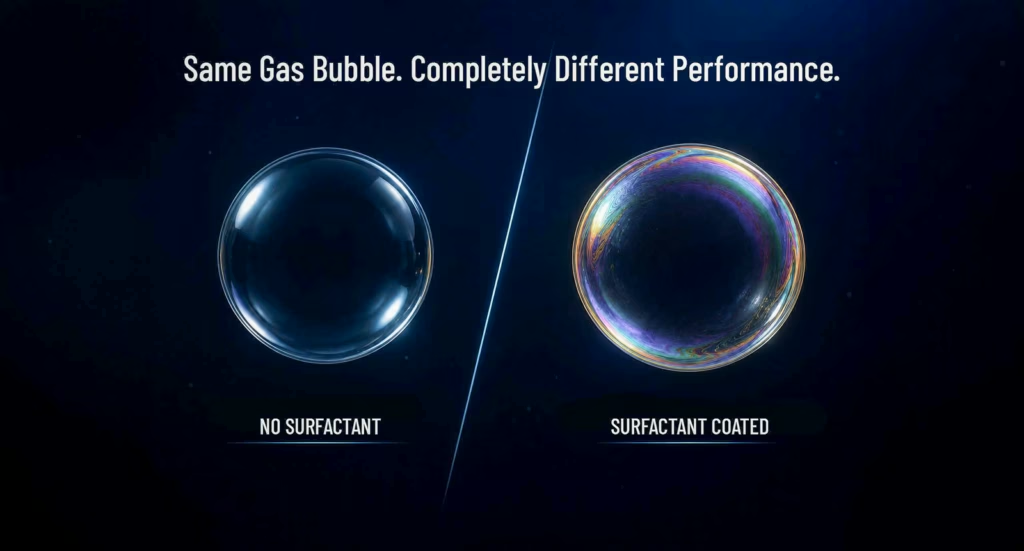
Gas-transfer performance is governed by gas-liquid surface area. G-Cav™ uses vortex-induced multistage hydrodynamic cavitation to generate nanobubbles with vastly greater interface, helping supplied gas dissolve before it escapes.
G-Cav™ Oxygen Nanobubbles for Heap Leach Oxygenation
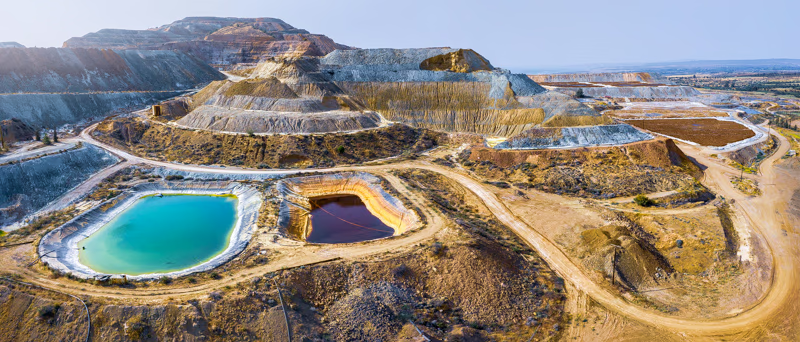
1. Executive Summary Oxygen is not merely beneficial to hydrometallurgical leaching processes — in most cases it is stoichiometrically essential. The bacteria that oxidise metal sulfides, the chemical oxidants that dissolve noble metals, and the ferric iron regeneration cycle that drives heap leach…
Gas Dissolution: The Universal Dissolution Rate Constraint
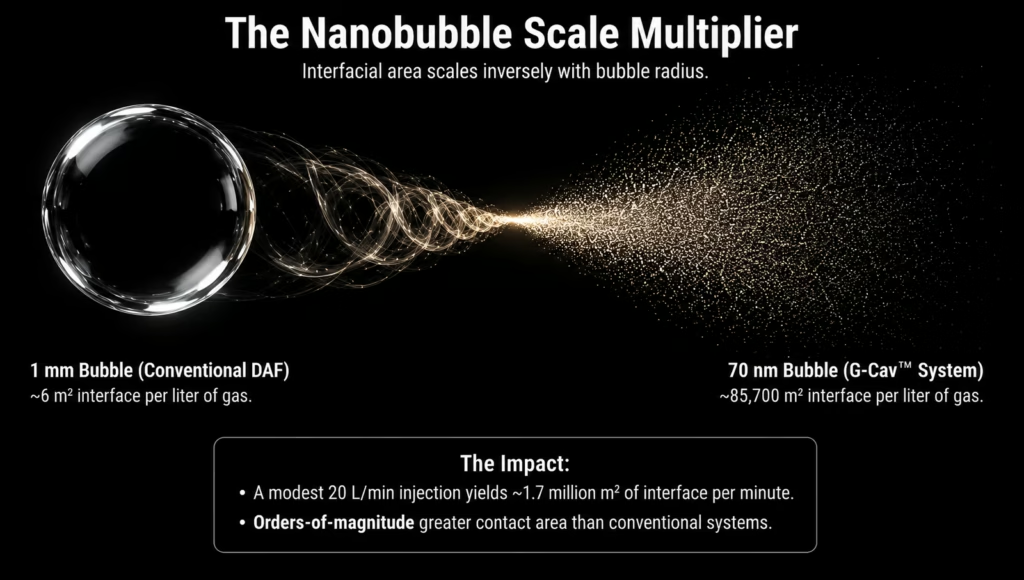
Abstract The rate at which a gas dissolves into a liquid is governed by a single physical variable: the area of the interface between the gas phase and the liquid phase. Every gas-delivery technology — paddlewheel…
G-Cav™ Oil & Gas Produced Water Treatment
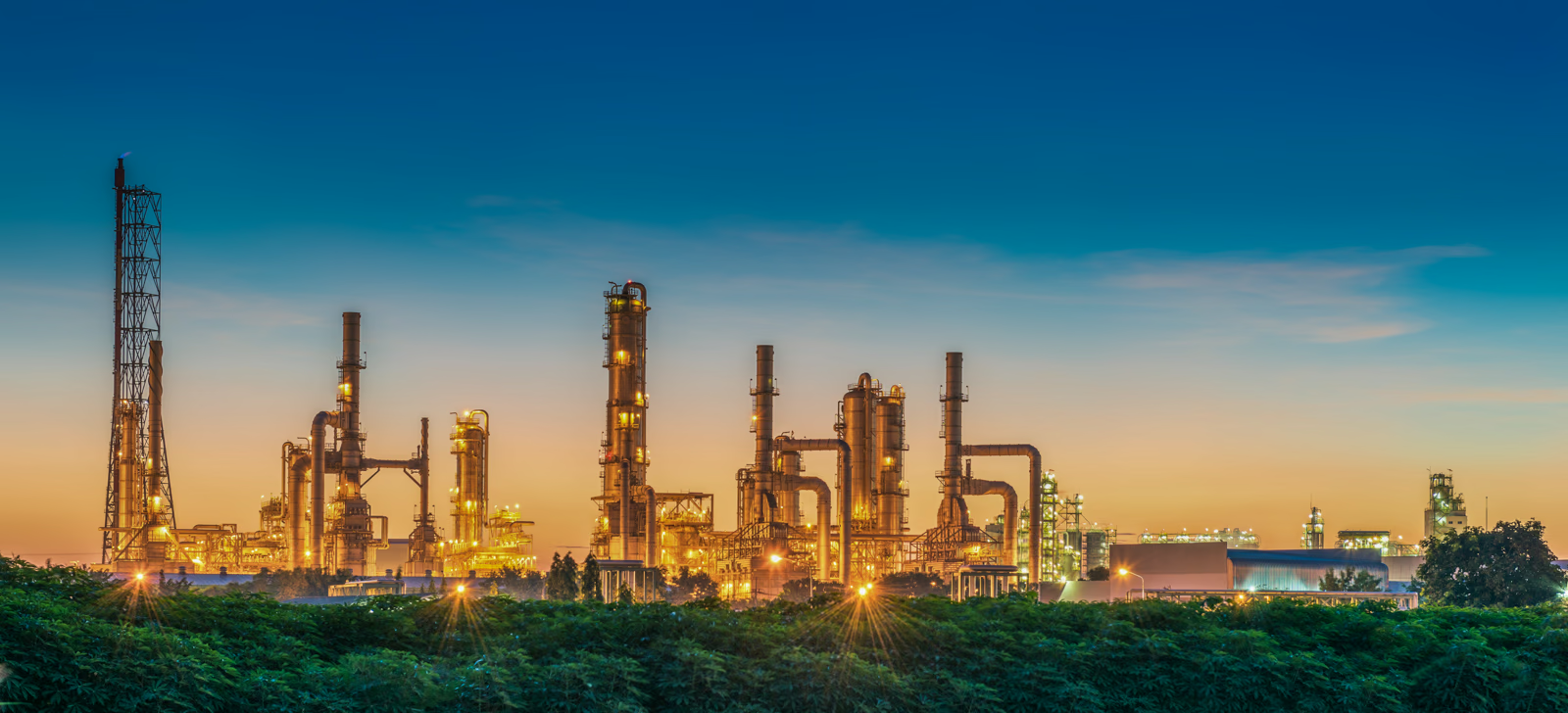
INTELLECTUAL PROPERTY NOTICE Global Cavitation Group Holdings has process patent applications in progress covering the oil-water separation and hydrophobic contaminant removal mechanisms described in this document. Operators and engineering contractors interested in commercial deployment,…
Gibbs Adsorption & Hydrodynamic Cavitation: The Physical Mechanism of Sub-Micro Flotation
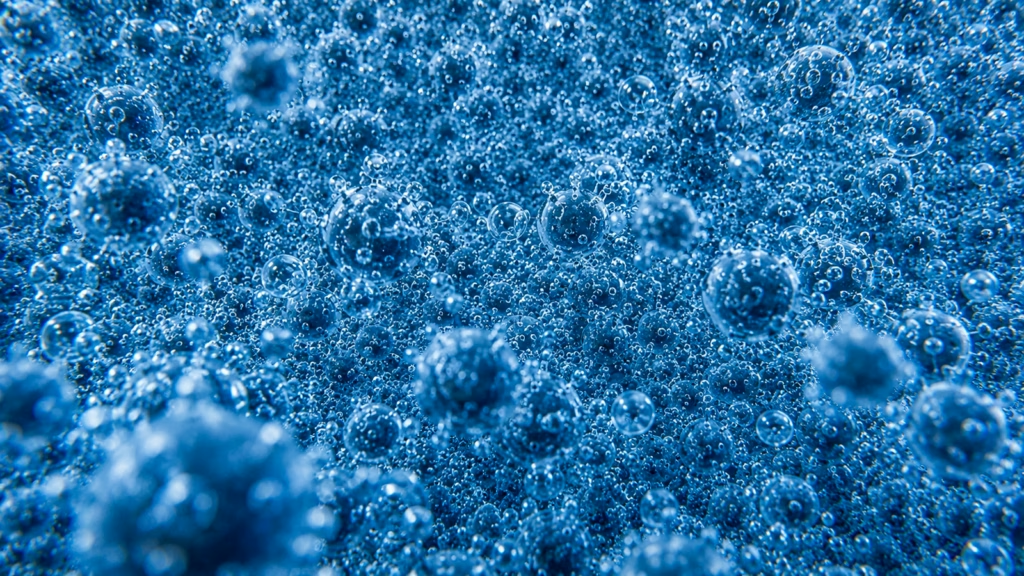
Abstract This paper describes the physical mechanism by which G-Cav™ vortex-induced multistage hydrodynamic cavitation achieves the simultaneous removal of emulsified oils, dissolved surfactants, and hydrophobic contaminants from aqueous streams. Two coupled processes are at work: cavitation-driven emulsion breaking, in which transient implosive pressure events mechanically disrupt stabilised oil-water interfaces; and Gibbs adsorption interfacial scavenging, in […]