
G-Cav™ Nanobubble Oxygenation for Aquaculture
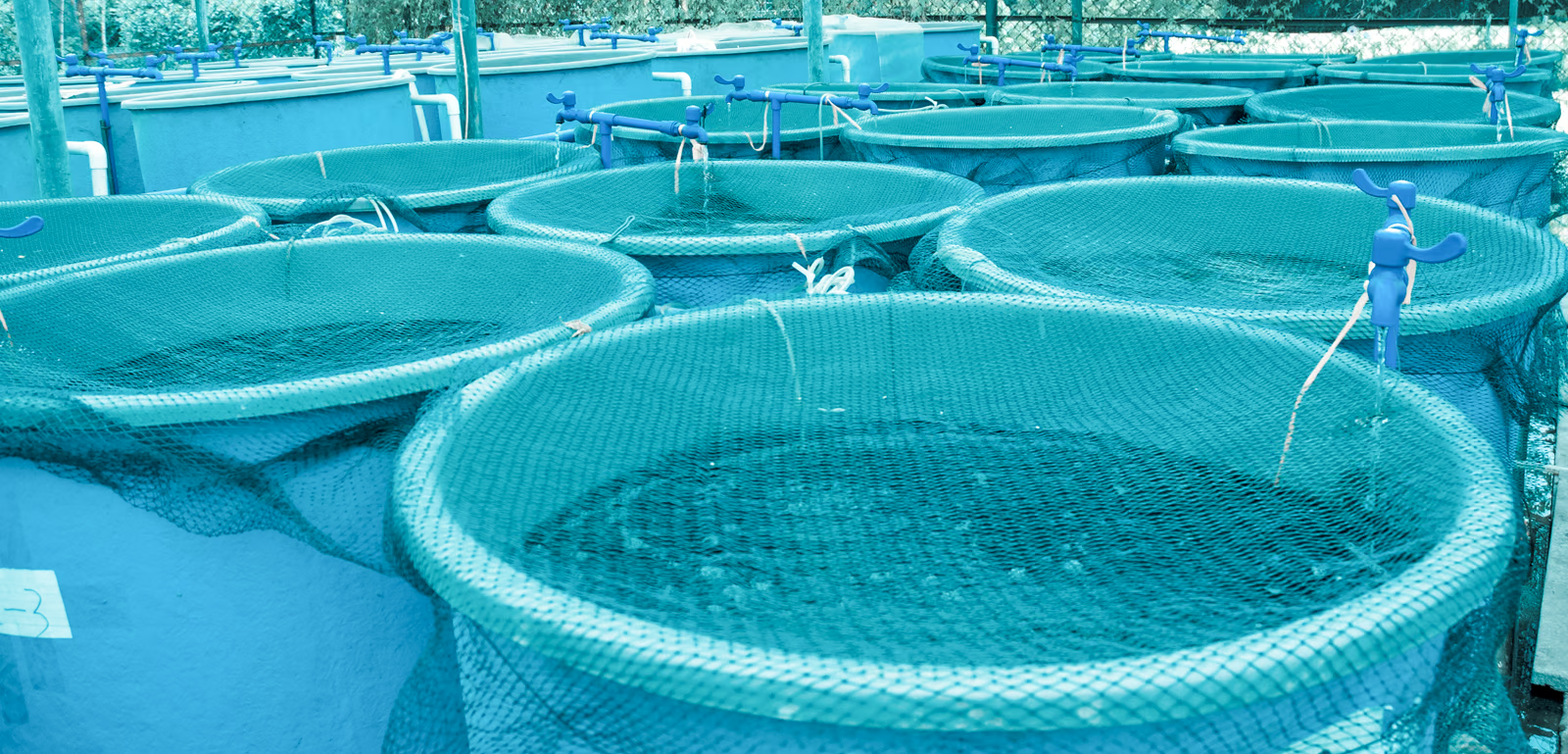
Executive Summary Dissolved oxygen (DO) is the single most critical variable in aquaculture production. Insufficient DO suppresses growth, compromises immune function, elevates feed conversion ratios, and at acute levels drives mass mortality events. Yet conventional aeration infrastructure —…
G-Cav™ Municipal Wastewater Treatment
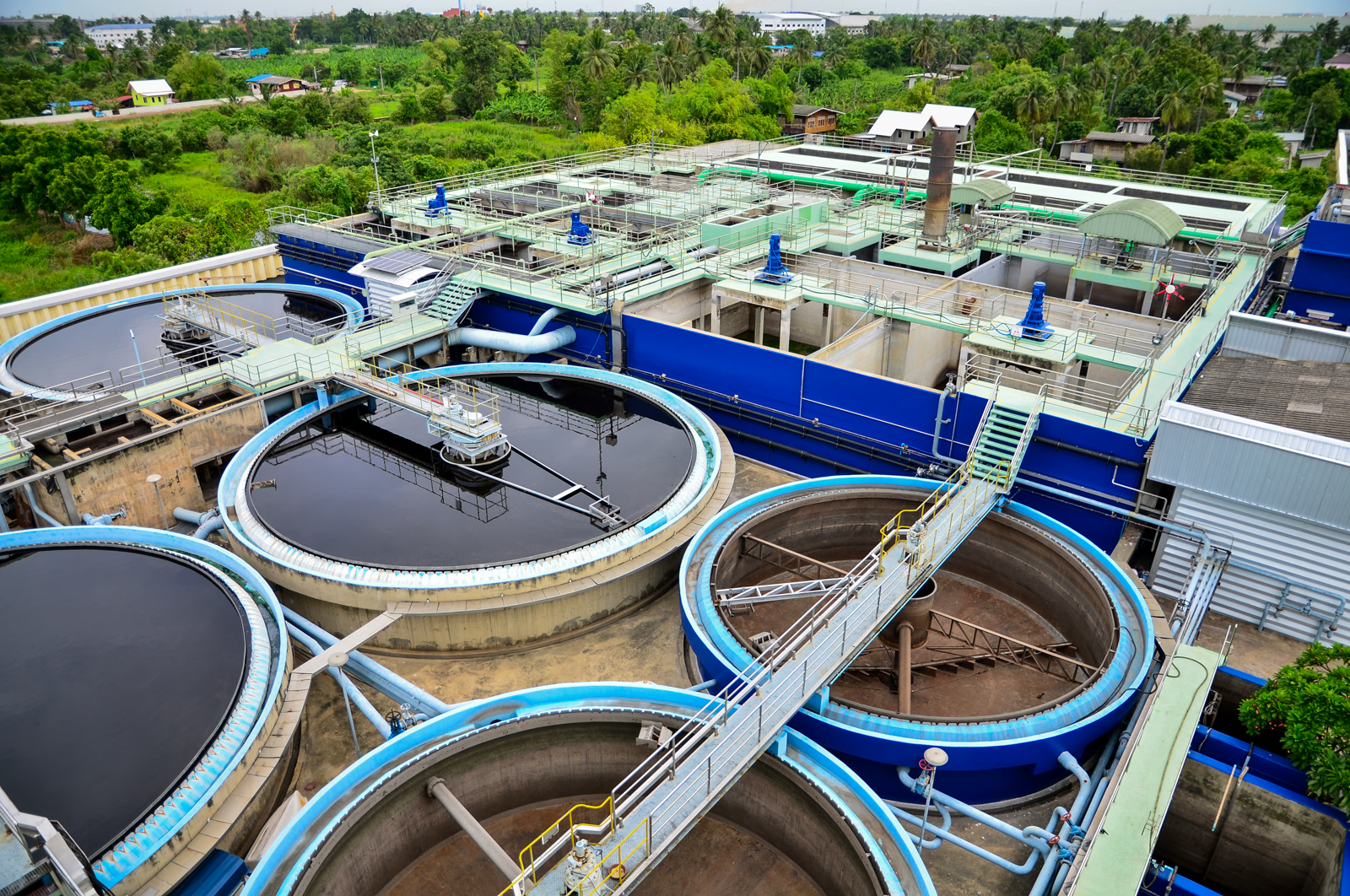
Introduction Municipal wastewater treatment plants are designed around a sequence of stages, each of which inherits the quality of what the previous stage delivers. This creates a cascade logic: improvements at the primary clarification stage not only improve the primary effluent received — but it…
G-Cav™ Agriculture: Oxygen, Hydrogen and Ozone in Irrigation Water

1. Executive Summary Agriculture faces a convergence of pressures that conventional inputs — fertilisers, pesticides, fungicides — address with diminishing returns and increasing environmental cost. Water scarcity, soil degradation, rising input costs, abiotic stresses driven by climate…
G-Cav™ Industrial Wastewater Pretreatment
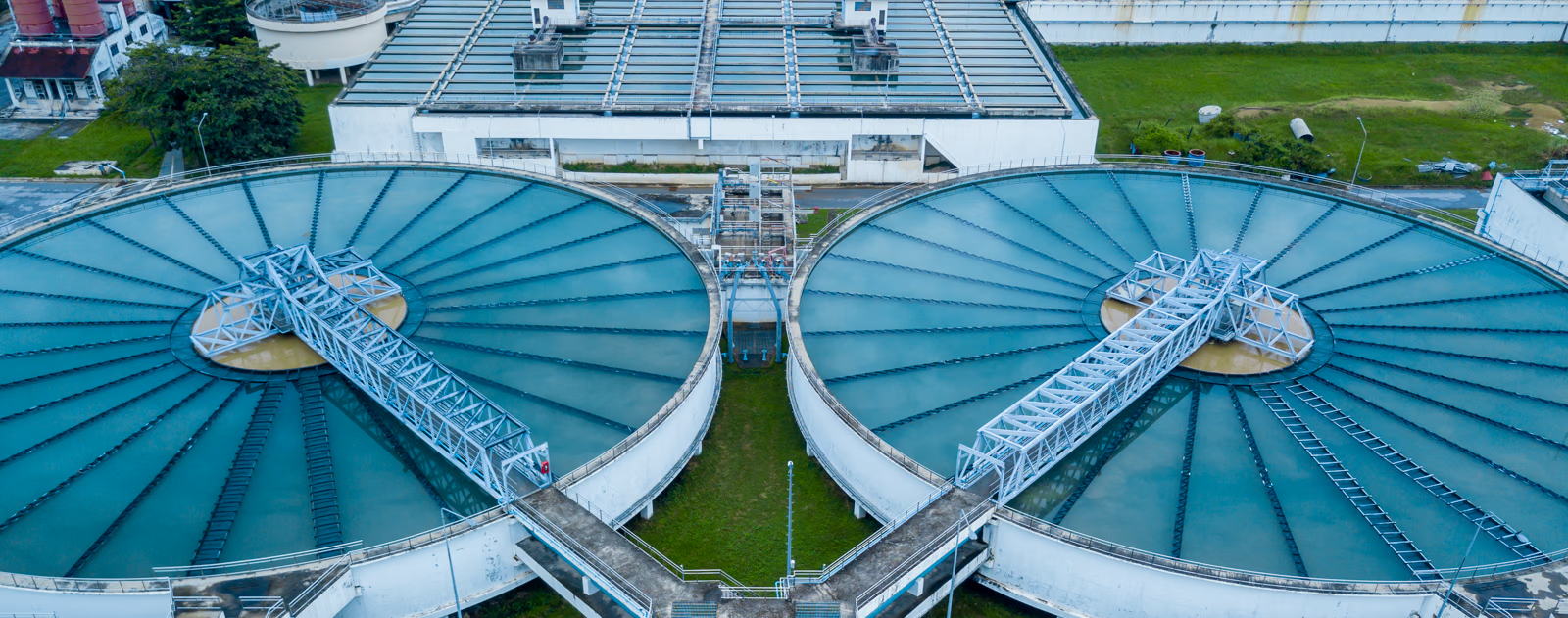
Executive Summary Industrial wastewater represents a more demanding — and more commercially direct — treatment challenge than municipal sewage. Process effluents from food manufacturing, dairy, rendering, brewing, textile finishing, automotive workshops, and petroleum refining arrive at…
Three-Gas Nanobubble Irrigation: Oxygen, Hydrogen and Ozone for Agriculture
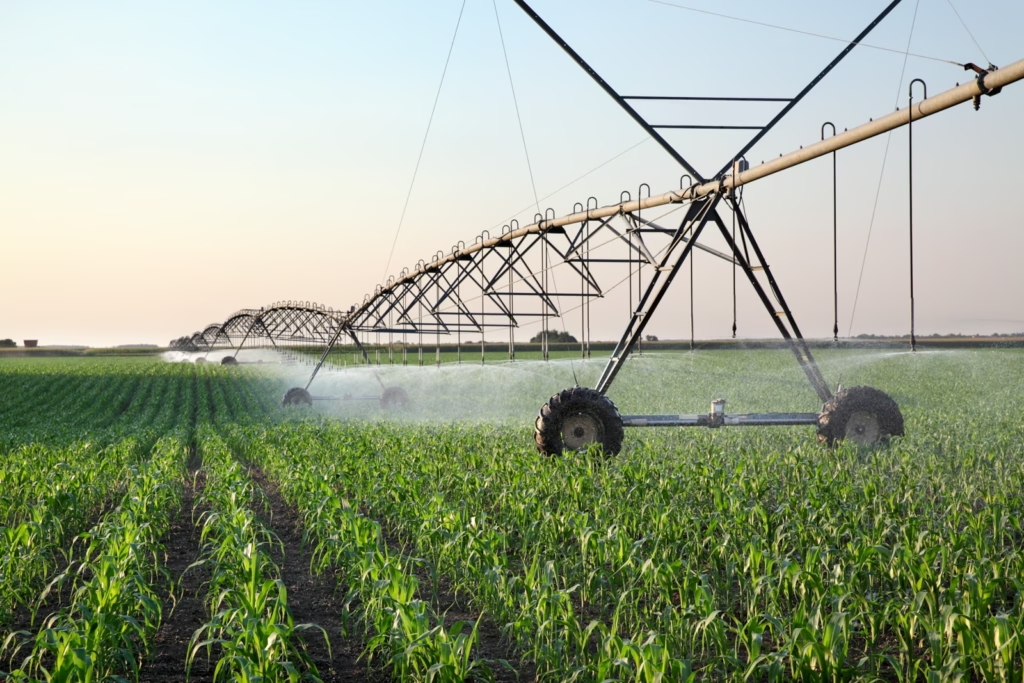
Agriculture is under pressure from multiple directions: water scarcity, soil degradation, rising fertiliser costs, climate stress, disease pressure and increasing demand for cleaner production. Conventional inputs such as fertilisers, pesticides and fungicides still matter, but they are delivering diminishing returns in many systems. G-Cav™ offers a different lever: improving plant performance through the irrigation water […]
How Gibbs Adsorption and Hydrodynamic Cavitation Enable Sub-Micro Flotation
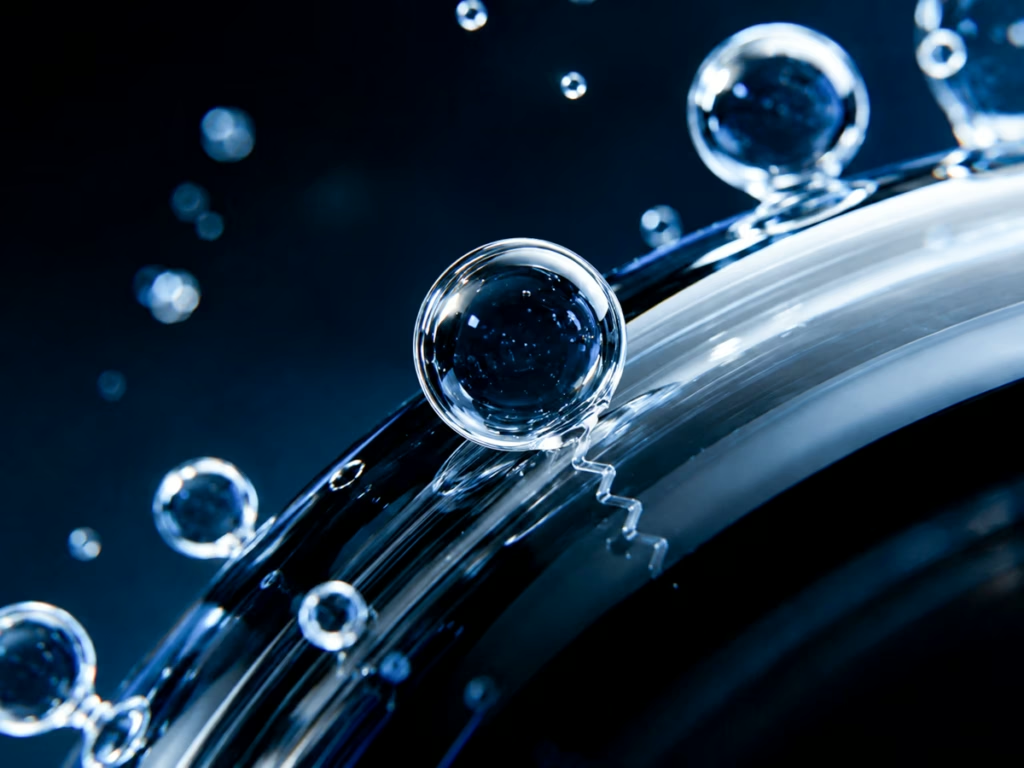
Stable emulsions are one of the hardest problems in industrial water treatment. Oils, fats, surfactants and hydrophobic contaminants can remain suspended in water long after gravity separation should have removed them. The reason is not simply poor settling. It is interfacial chemistry. When surfactants stabilise oil droplets, they reduce the interfacial tension between oil and […]
Why Gas Dissolution Efficiency Depends on Surface Area — and Why Nanobubbles Change Everything

Why Gas Dissolution Efficiency Comes Down to Surface Area Most gas-transfer systems waste gas for one simple reason: the bubbles are too large. Whether the application is aquaculture, mining, agriculture, environmental remediation or industrial water treatment, the same physical constraint applies. Gas can only dissolve into water across the boundary where gas and liquid meet. […]
Oil & Gas Water Management

Water management in oil and gas production has never been more strategically critical. As fields mature and unconventional resource development expands — shale oil and gas, tight reservoirs, heavy oil — the volume of produced water per barrel of hydrocarbon extracted climbs stea…
G-Cav™ Mining Froth Flotation Enhancement
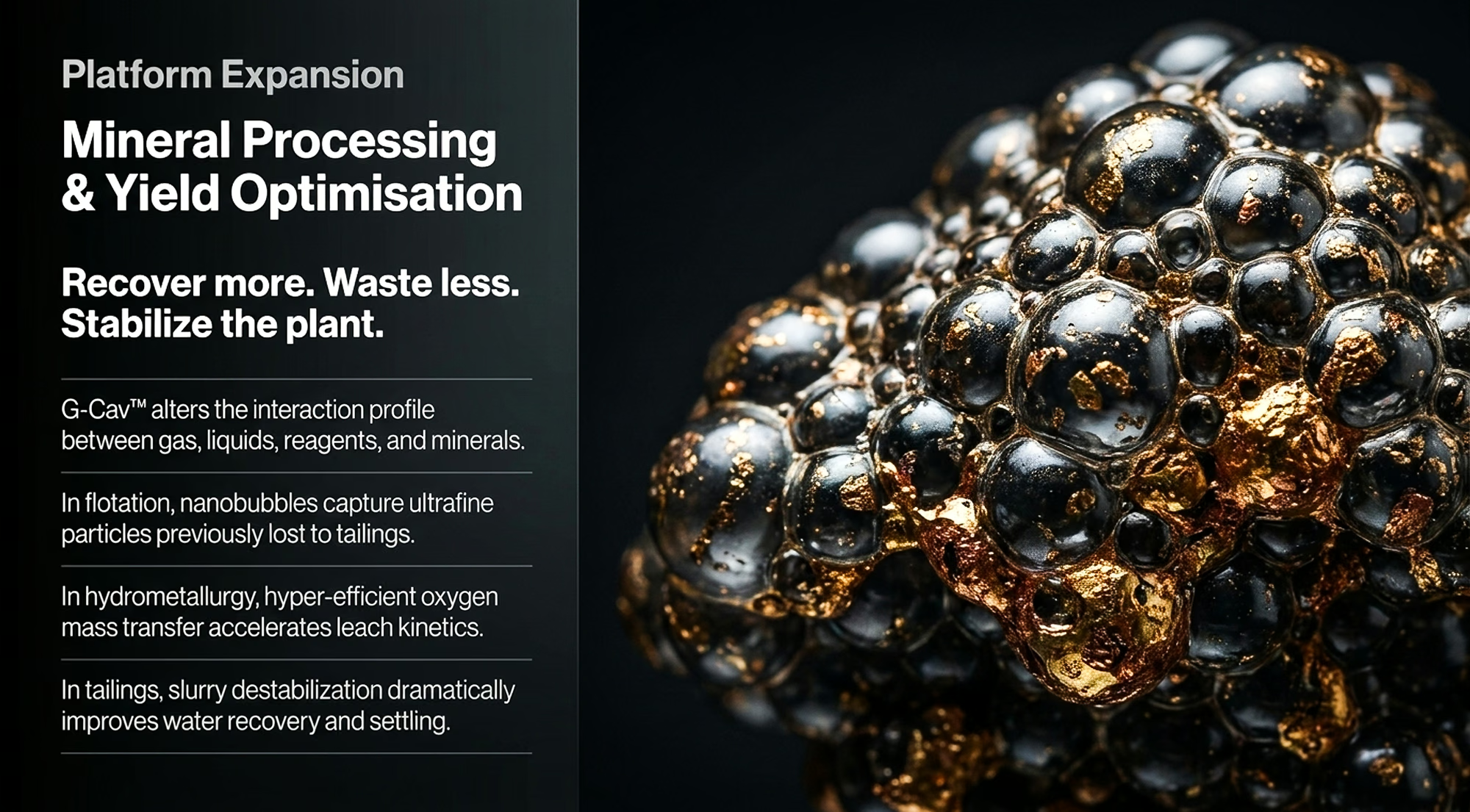
INTELLECTUAL PROPERTY NOTICE Global Cavitation Group Holdings has process patent applications in progress covering aspects of the hydrodynamic cavitation technology platform. This capability statement describes the outcomes and published scientific basis for G-Cav™ froth flotation enhancement.…
Dissolved Oxygen and Copper Heap Leaching: What the Science Actually Tells Us

TECHNICAL INSIGHT | HEAP LEACHING Dissolved Oxygen and Copper Heap Leaching: What the Science Actually Tells Us A rigorous, evidence-based guide to how — and how much — DO enrichment drives copper recovery improvements 1. The Question Operators Are Really Asking Every heap leach operator who…