
Deliver oxygen, hydrogen, and ozone through existing irrigation infrastructure to support root-zone performance, crop consistency, irrigation hygiene, and plant resilience across orchards, nurseries, greenhouses, vineyards, and protected cropping systems.
Horticulture depends on precision. Water quality, root health, plant uniformity, and stress response all have a direct effect on output, quality, and commercial return. G-Cav™ brings the oxy-hydrogen irrigation model into intensive plant systems where the value of better irrigation water is measured not only in yield, but in consistency, quality, and reduced production risk.
Horticultural operations are judged by precision. A greenhouse crop, orchard block, nursery line, vineyard, or protected growing system does not simply need more water. It needs irrigation water that supports stable root-zone conditions, strong nutrient uptake, healthy plant development, and consistent crop performance under varying environmental pressure.
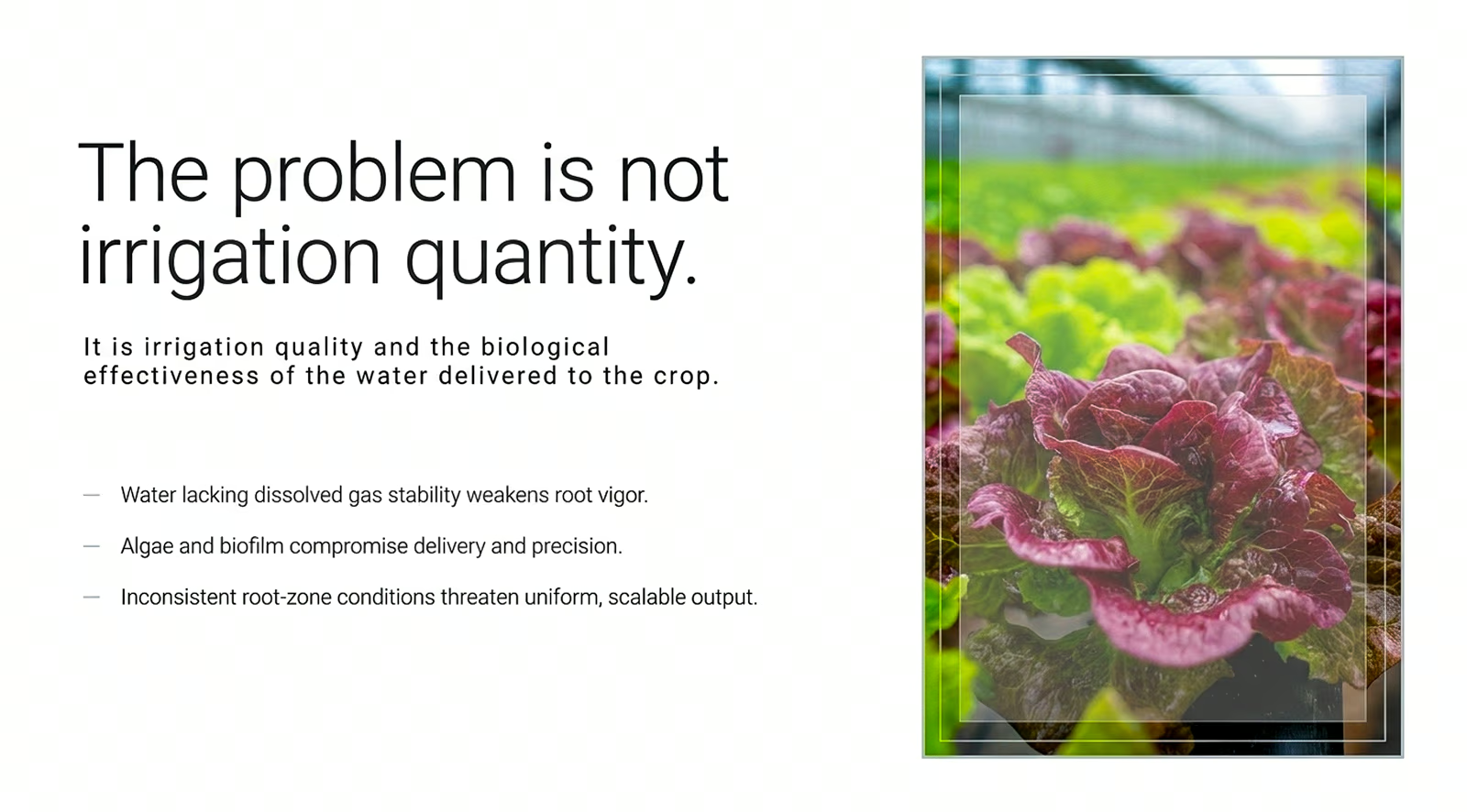
When irrigation water is poorly oxygenated, biologically unstable, or compromised by algae, biofilm, or inconsistent gas availability, the consequences can appear quickly. Root vigour weakens, plant development becomes less uniform, disease pressure becomes harder to control, and final crop quality becomes less reliable.
That is why horticulture is an important deployment vertical for G-Cav™. The problem is not only irrigation quantity. It is irrigation quality and the biological effectiveness of the water being delivered to the crop.
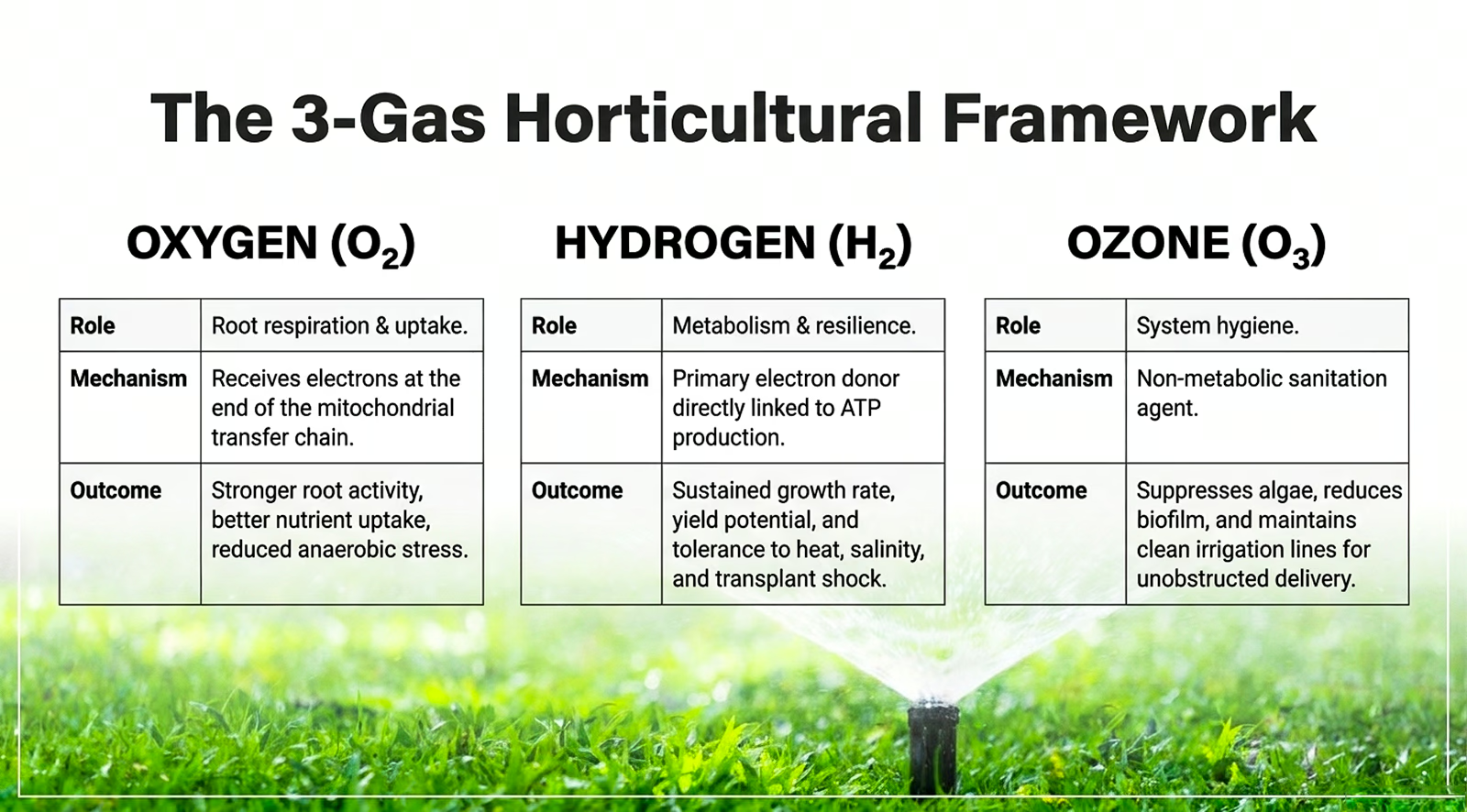
G-Cav™ horticulture uses a three-gas framework that can be delivered through existing irrigation systems. Each gas plays a different role inside the plant-soil-water environment.
Oxygen supports root respiration and cellular energy production by receiving the electrons at the end of the electron transfer chain in the mitochondria, inside the plants cells. In practical horticultural terms, that means more biological energy, stronger root activity, better nutrient uptake conditions, healthier aerobic root-zone function, and reduced vulnerability to anaerobic stress around the root mass.
Molecular hydrogen is a biologically essential gas directly linked to metabolism as the primary electron donor to the electron transport chain and instrumental for ATP production, growth rate, yield potential, and stress tolerance. In intensive horticultural systems where heat, salinity, drought pressure, transplant stress, or other production shocks affect crop consistency, molecular hydrogen becomes even more commercially relevant because it supports the plant’s internal ability to keep functioning under stress.
Ozone serves as the sanitation gas. Its role is not crop metabolism but irrigation-system hygiene. It helps suppress algae, reduce biofilm, and maintain cleaner irrigation lines so that water and nutrients continue to move through the system with less obstruction and less biological fouling.
Together, these three gases create a broader horticulture platform: oxygen for respiration and uptake, hydrogen for biological resilience and plant performance, and ozone for irrigation cleanliness and delivery integrity.
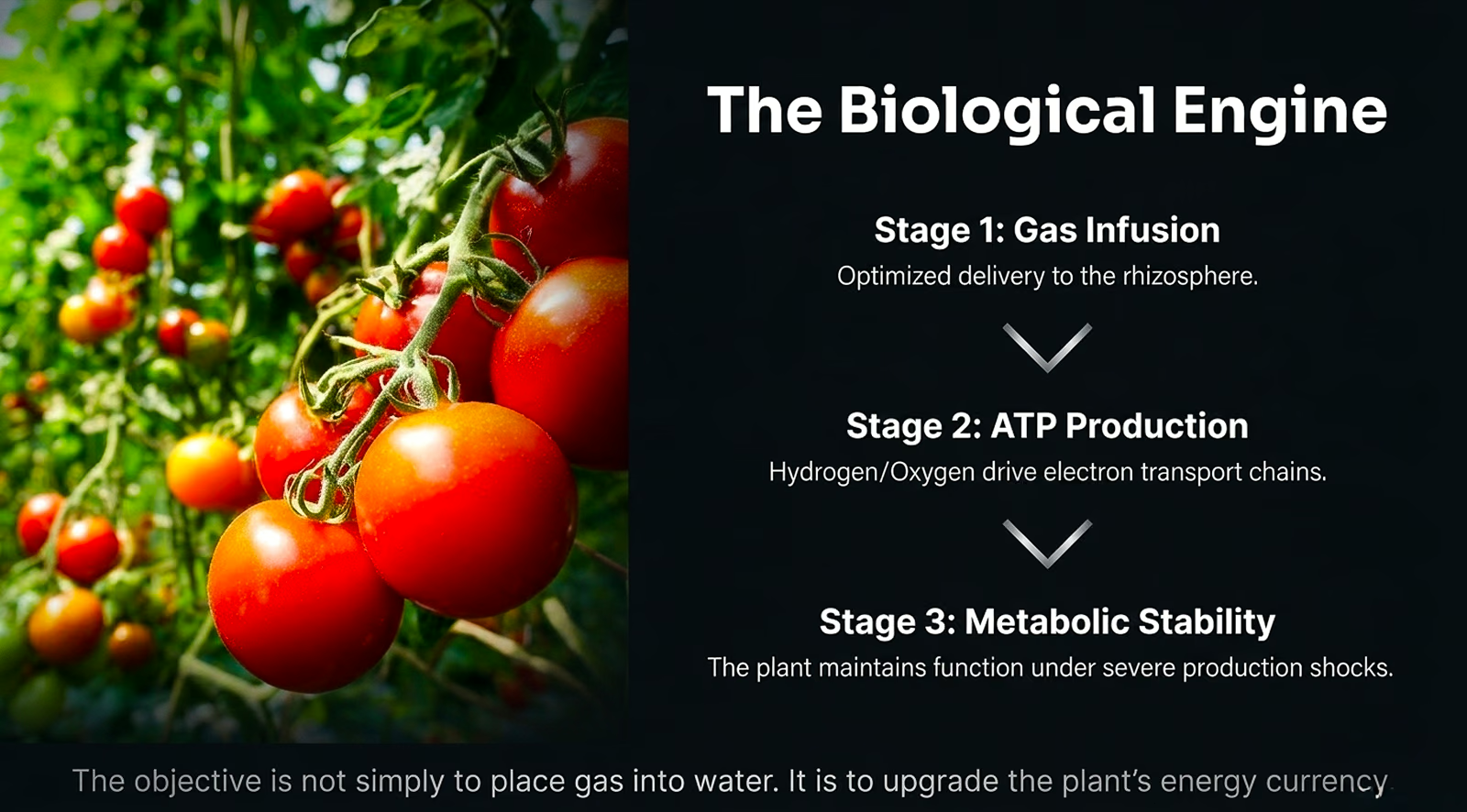
The horticulture case for G-Cav™ is fundamentally biological. The objective is not simply to place gas into water. It is to improve how irrigation water interacts with roots, plant metabolism, and the rhizosphere.
At the centre of plant biological function is ATP, the energy currency that drives growth, protein synthesis, nutrient transport, stress resistance, and other essential processes. Hydrogen supplementation in appropriately oxygenated water is directly associated with stronger ATP-related activity and improved biological response under difficult growing conditions.
That matters in horticulture because quality and consistency depend heavily on how well the plant keeps functioning under pressure. A crop that maintains stronger root respiration, more stable metabolism, and better nutrient uptake is more likely to produce uniform, marketable output at scale.
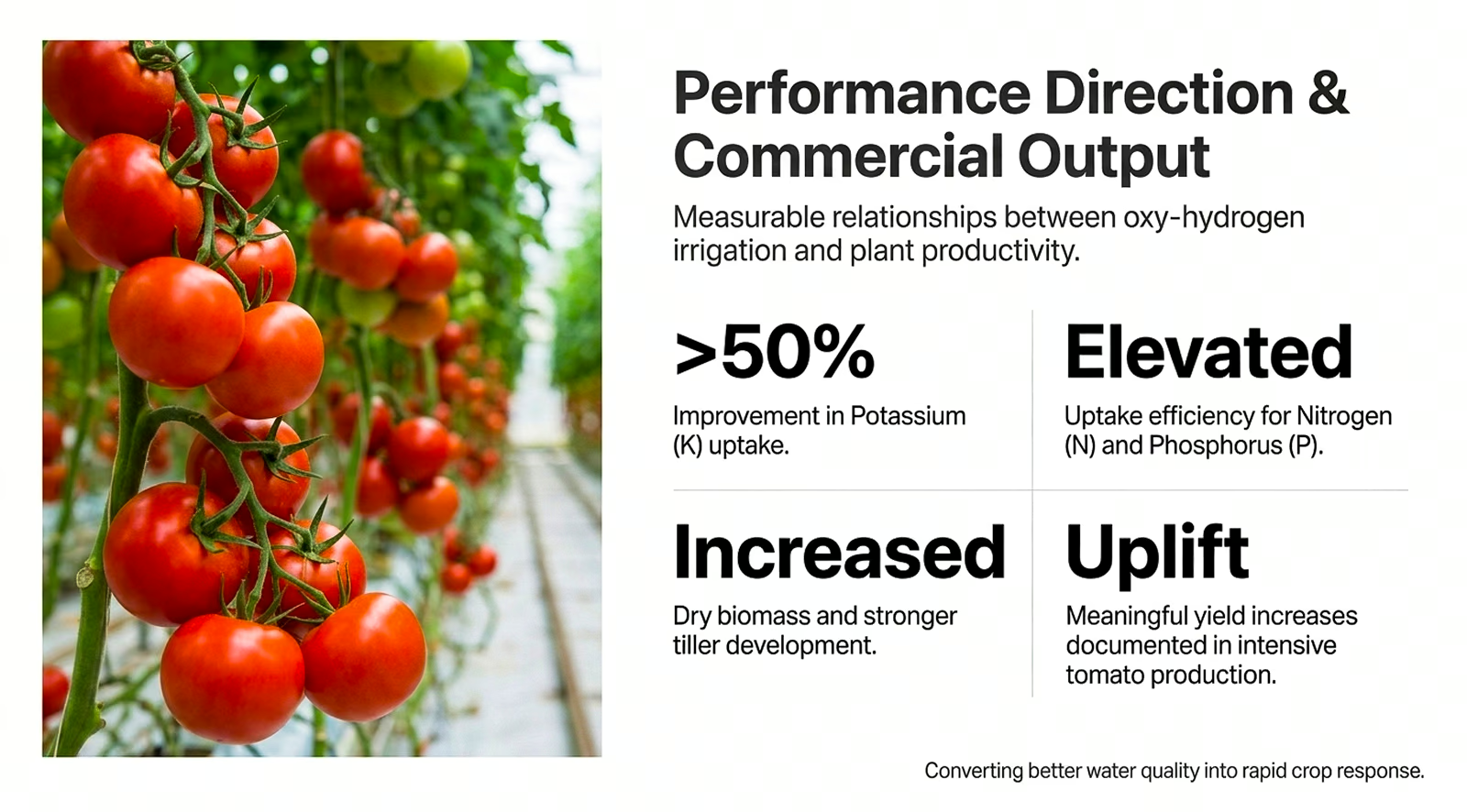
The wider agriculture data behind the platform provides a strong directional case for horticulture. Reported performance signals include increases in dry biomass, stronger tiller development in grain crops, higher nutrient uptake for nitrogen and phosphorus, more than 50% improvement in potassium uptake, and meaningful yield uplift in tomato production under hydrogen nanobubble irrigation.
For horticulture, the commercial importance of those results is not that every crop will reproduce the same figure. It is that the platform demonstrates a measurable relationship between oxy-hydrogen irrigation and plant productivity, nutrient efficiency, and biological performance.
That makes horticulture a logical high-value extension of the same framework, particularly in environments where plants are intensively managed and where better water quality can be converted quickly into better crop response.
Horticulture is often a quality market as much as a yield market. Fruit appearance, flavour, sugar-acid balance, antioxidant profile, shelf stability, and post-harvest performance all influence realised value.
Hydrogen and oxygen enriched irrigation has been associated with quality-related improvements including stronger sugar-acid balance, higher antioxidant compounds, higher lycopene concentration in tomato systems, stronger volatile flavour compounds, and improved post-harvest crop condition in selected crops.
This is commercially important because better horticultural output is not always measured only in tonnes. In orchards, greenhouses, nurseries, and premium produce systems, improved quality can be just as profitable as higher volume.
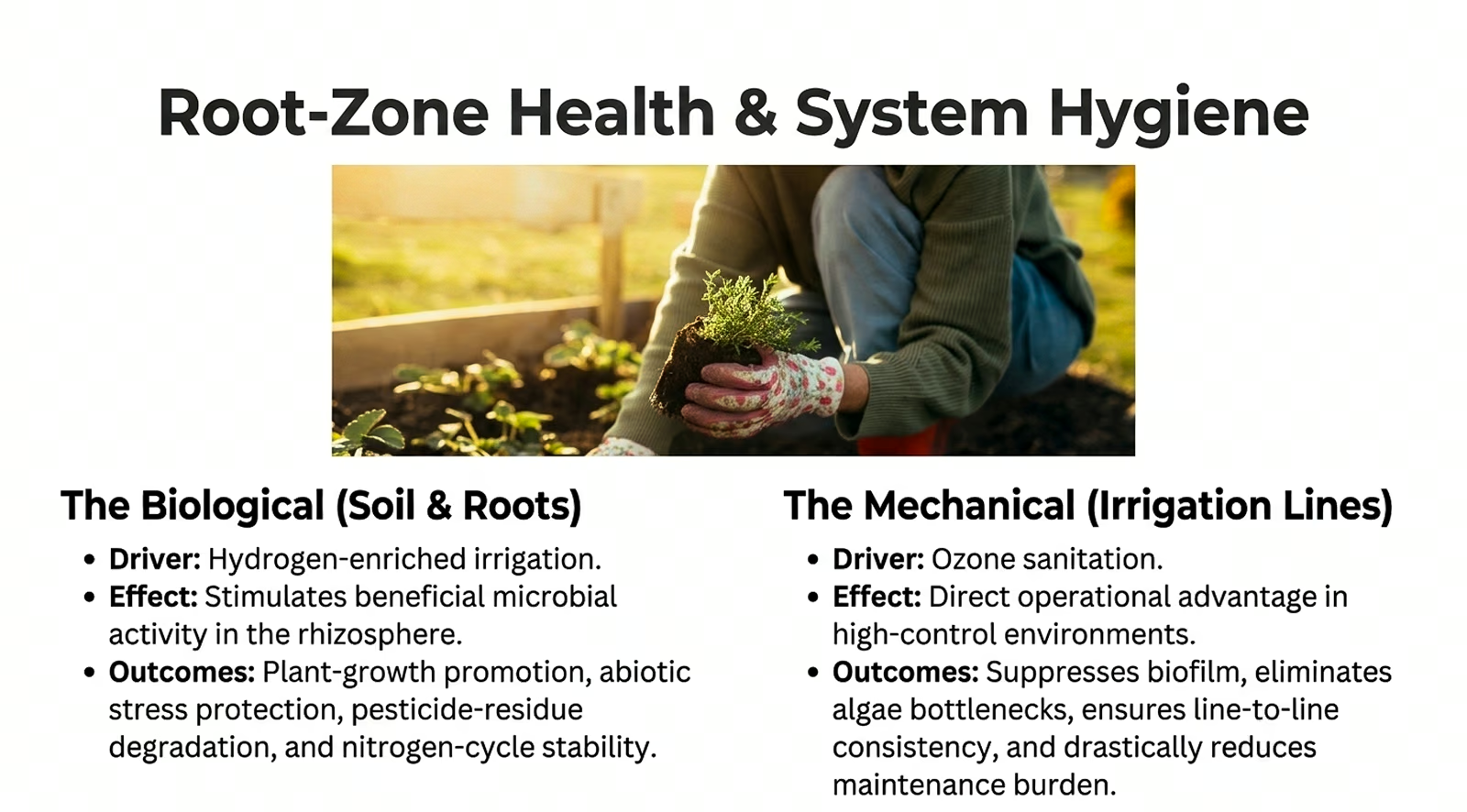
The horticulture opportunity is not limited to the crop canopy. Root-zone and rhizosphere conditions are equally important. Beneficial soil and root-zone biology influence nutrient cycling, stress response, and long-term plant performance.
Hydrogen-enriched irrigation has been linked to stimulation of beneficial microbial activity in the rhizosphere, including organisms associated with plant-growth promotion, abiotic stress protection, pesticide-residue degradation, and nitrogen-cycle stability.
At the same time, ozone provides a practical sanitation benefit inside the irrigation system itself. In greenhouse, nursery, and protected irrigation systems, biofilm and algae can quietly reduce delivery quality, create inconsistency between lines, and increase maintenance burden. A cleaner irrigation pathway is a direct operational advantage in high-control horticultural environments.
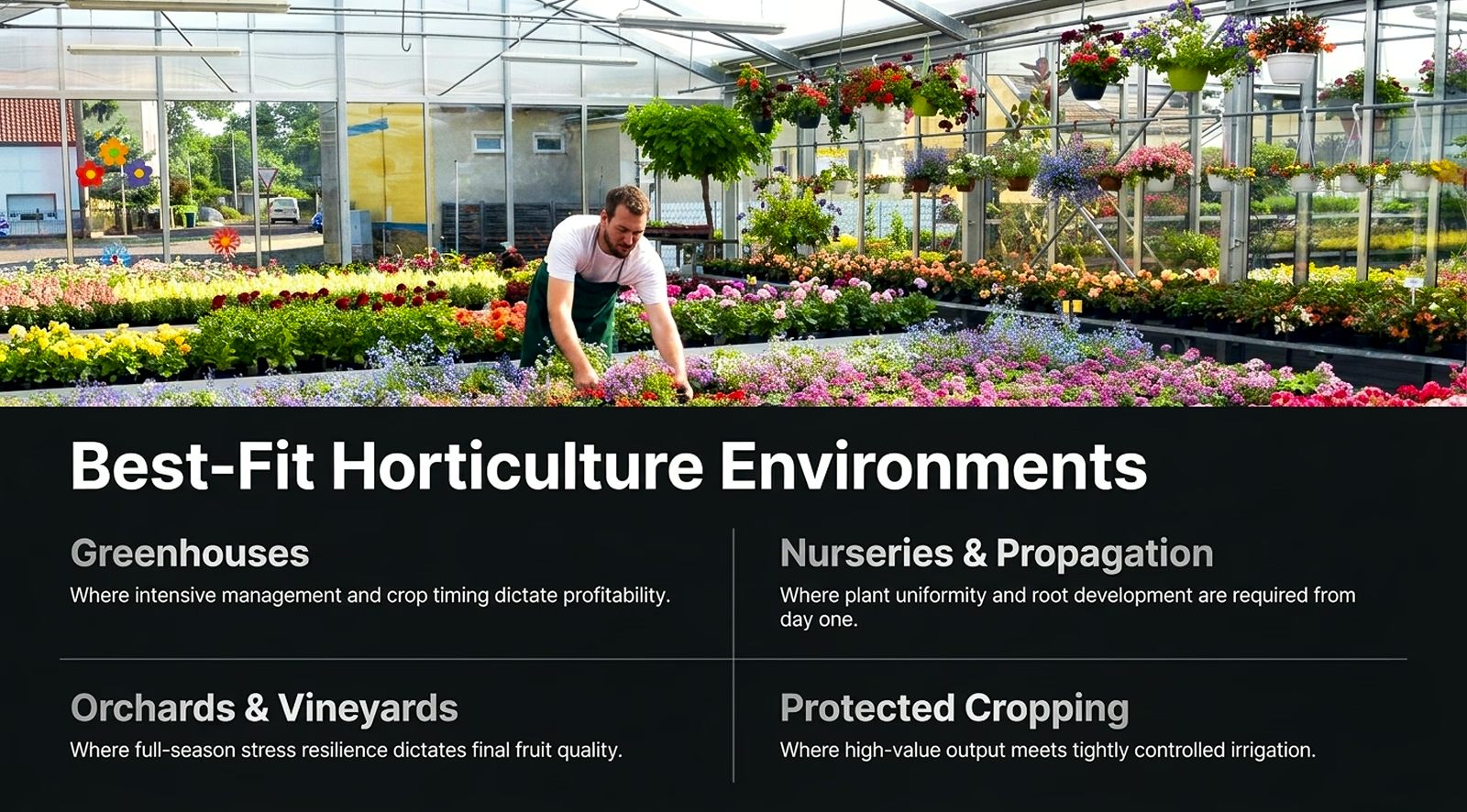
Horticulture is not just one market. The strongest fits for G-Cav™ include greenhouses, nurseries, orchards, protected cropping systems, propagation environments, vineyards, and high-value specialty crops where water quality and plant consistency directly affect profitability.
Greenhouse systems are a natural fit because crops are intensively managed and irrigation quality is closely linked to root performance and crop timing.
Nurseries and propagation systems also fit well because plant uniformity, root development, and system hygiene are commercial priorities from the earliest stage of the crop lifecycle.
Orchards and vineyards represent another strong application, particularly where irrigation quality, stress resilience, and fruit quality influence return across a full season.
Protected cropping environments are especially relevant because they combine high-value output with controlled irrigation, making the benefits of better gas-infused water easier to evaluate and scale.
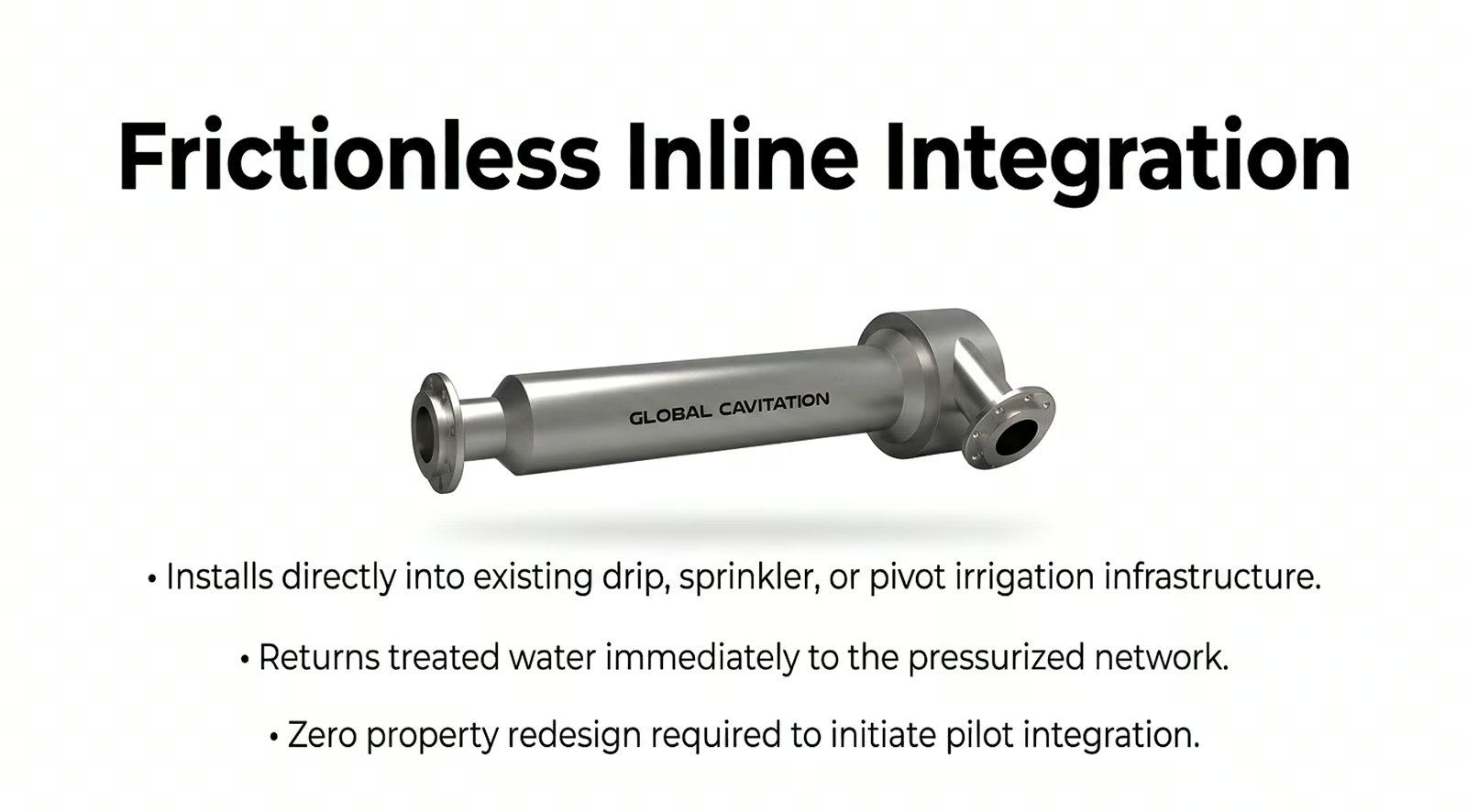
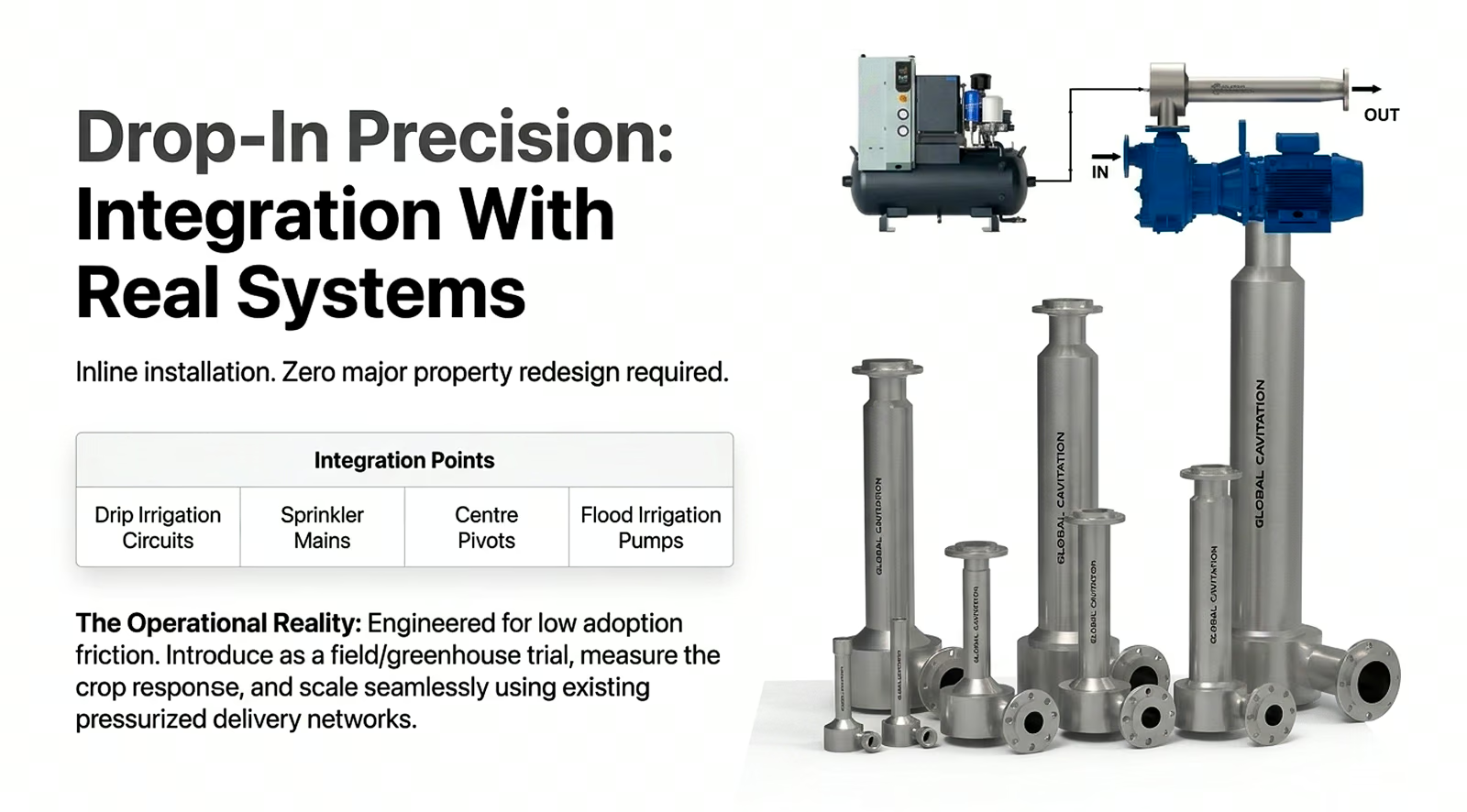
A major strength of the platform is that it is designed for inline installation on existing irrigation infrastructure. Typical integration points include drip irrigation circuits, sprinkler mains, centre pivots, flood irrigation pumps, and other pressurised delivery systems where treated water can be returned directly to the irrigation network.
That reduces adoption friction materially. A horticulture operator does not need to redesign the whole property to evaluate the platform. G-Cav™ can be introduced as a practical field or greenhouse trial, measured against crop response and operating conditions, then scaled where results justify the investment.
The broader product family also supports this positioning, with model ranges suited from smaller greenhouse and hydroponic systems through to pilot horticulture, vegetable production, orchards, large horticulture, and major irrigation pump mains.
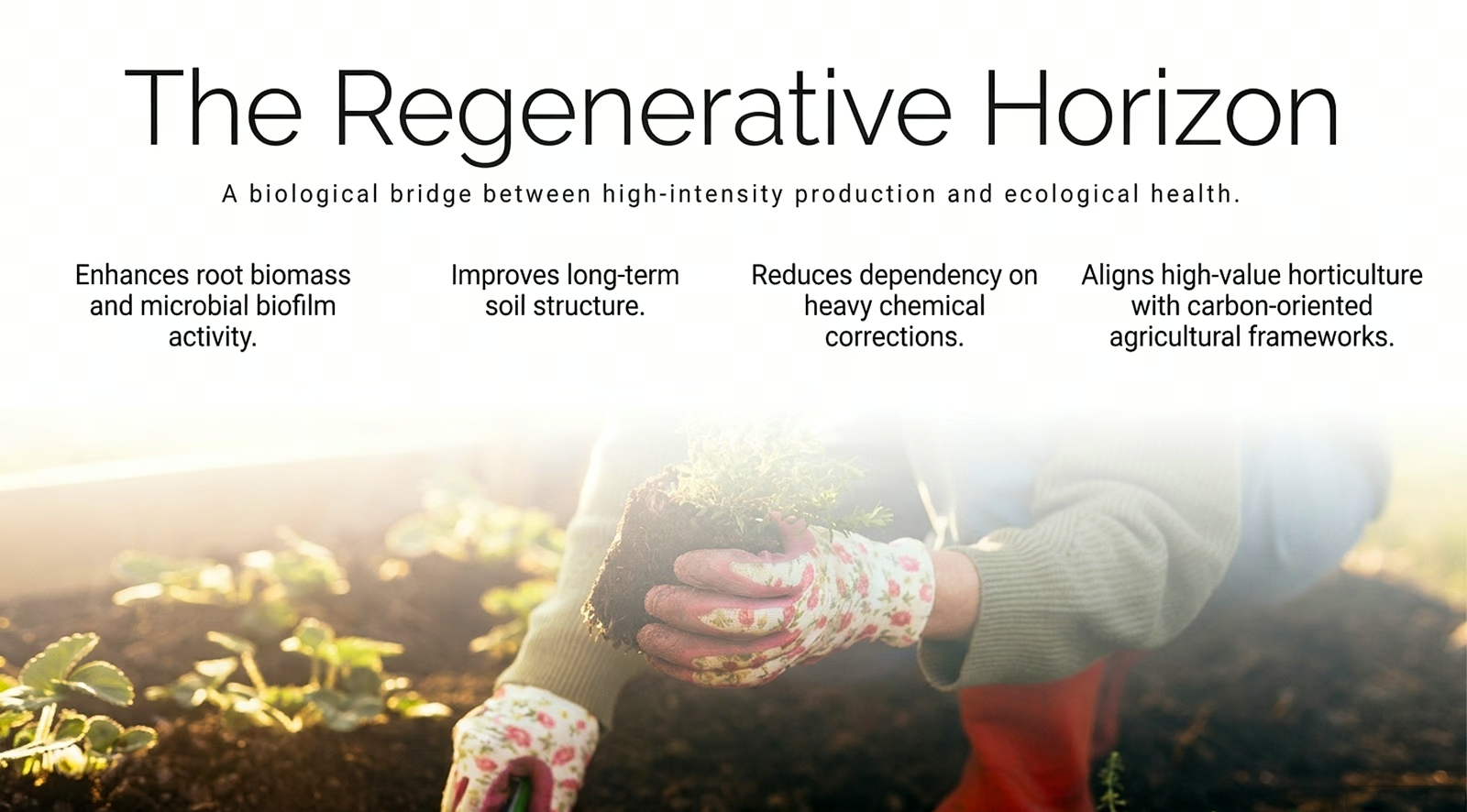
Horticulture is also increasingly connected to regenerative and sustainability-oriented production models. Stronger microbial activity, healthier root systems, improved soil structure, and reduced dependence on heavy chemical correction all support that direction.
Hydrogen-treated soils have also been associated with stronger root biomass, enhanced microbial biofilm activity, and greater relevance to carbon-oriented and regeneration-oriented agricultural frameworks.
For horticulture, that is a strategic advantage rather than an overclaimed market promise. The practical point is that a better irrigation biology platform can strengthen both production performance and longer-term land and soil outcomes.
Horticulture is a strong licensing vertical because it combines technical clarity with market breadth. A capable regional partner can build a meaningful business around greenhouse sectors, nursery operators, orchards, vineyards, protected cropping markets, and related agronomic networks.
That matters because horticulture does not sit on the website as an isolated plant-health page. It sits inside a broader platform model where one cavitation and gas-infusion engine can be adapted across multiple industries and multiple commercial pathways.
For the right partner, horticulture becomes a practical regional business category built around trials, agronomic relationships, irrigation integration, and crop-specific deployment pathways.
Horticulture places greater emphasis on precision, crop consistency, root-zone performance, irrigation hygiene, and quality outcomes. G-Cav™ is positioned for orchards, nurseries, greenhouses, vineyards, and protected cropping systems where better irrigation water can influence both crop value and production reliability.
The horticulture platform uses oxygen, hydrogen, and ozone. Oxygen supports root respiration and aerobic function, hydrogen is associated with ATP creation, biological resilience and plant performance, and ozone is used for irrigation-system sanitation and line cleanliness.
High-value horticultural systems depend on stable root conditions, strong nutrient uptake, and consistent plant development. G-Cav™ is positioned to improve the biological effectiveness of irrigation water so the root zone and rhizosphere perform more efficiently. Avoiding the anaerobic conditions that favour anaerobic pathogens also avoids the release of toxins they release that can be catastrophic for the plant and crop.
No. The horticulture story also includes crop quality, post-harvest condition, flavour and smell-related outcomes, along with resilience under stress. In high-value systems, better quality can be commercially as important as higher yield.
Yes. The platform is designed for inline installation on existing irrigation infrastructure, including drip circuits, sprinkler mains, and other pressurised delivery systems, allowing growers to begin with practical trial deployment and scale from there.