
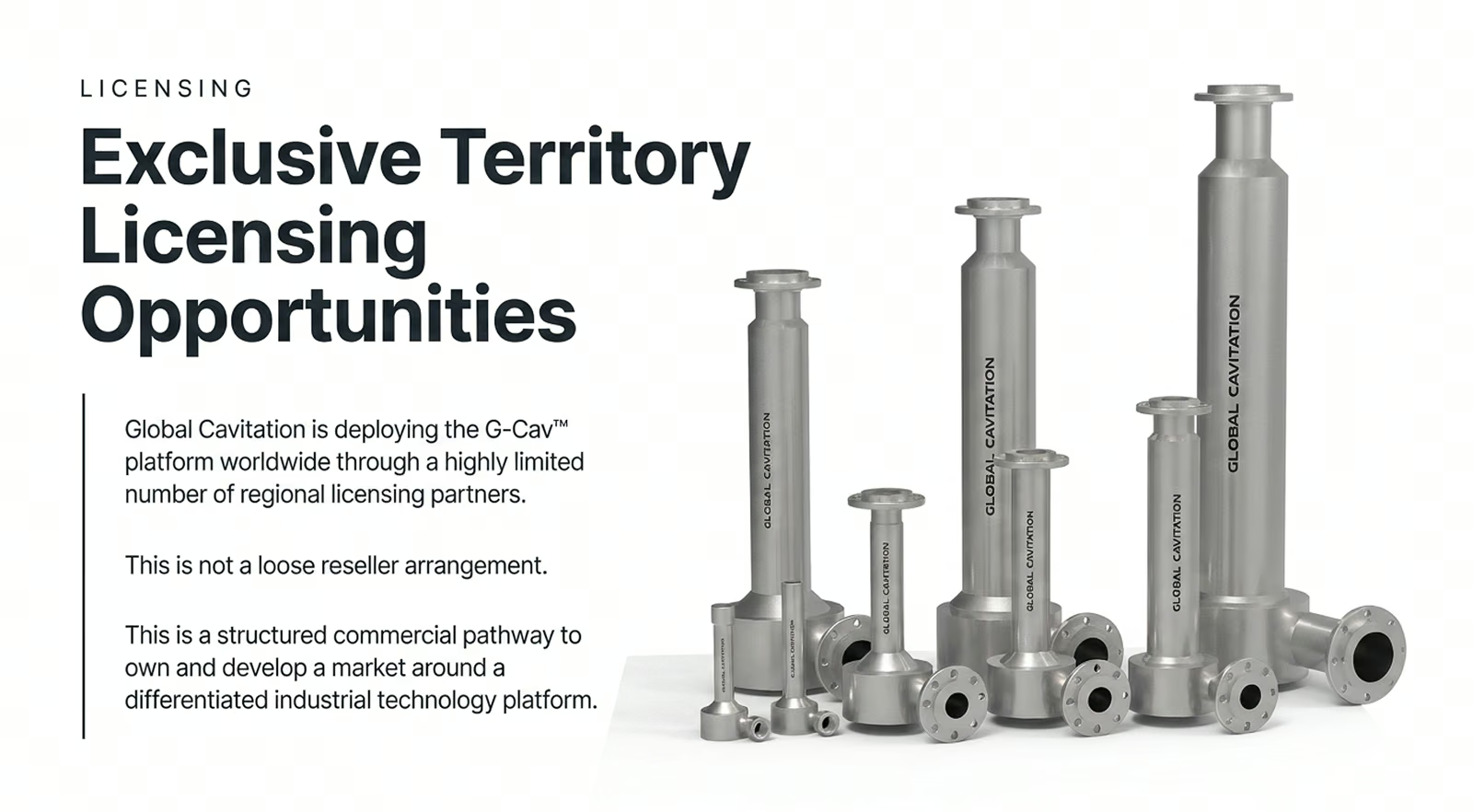
Global Cavitation is deploying the G-Cav™ platform worldwide through a limited number of regional licensing partners. Each territory license provides exclusive rights to deploy the technology within a defined geography, sector, or market scope.
Territory licensing is not a loose reseller arrangement. It is a structured commercial pathway for organisations that want to own and develop a market around a differentiated industrial technology platform.
Industrial technology does not scale purely through centralised equipment sales. In most sectors, successful deployment depends on local relationships, sector understanding, engineering trust, and the ability to navigate long sales cycles inside a specific geography.
Global Cavitation’s licensing model is built around that reality. Rather than attempting to directly operate in every region and every industry at once, the company is using a partner-led expansion model.
Under that model, a capable regional or sector partner gains the right to develop the market, while Global Cavitation provides the platform, technical alignment, product access, and broader strategic direction, marketing, promotion and education.
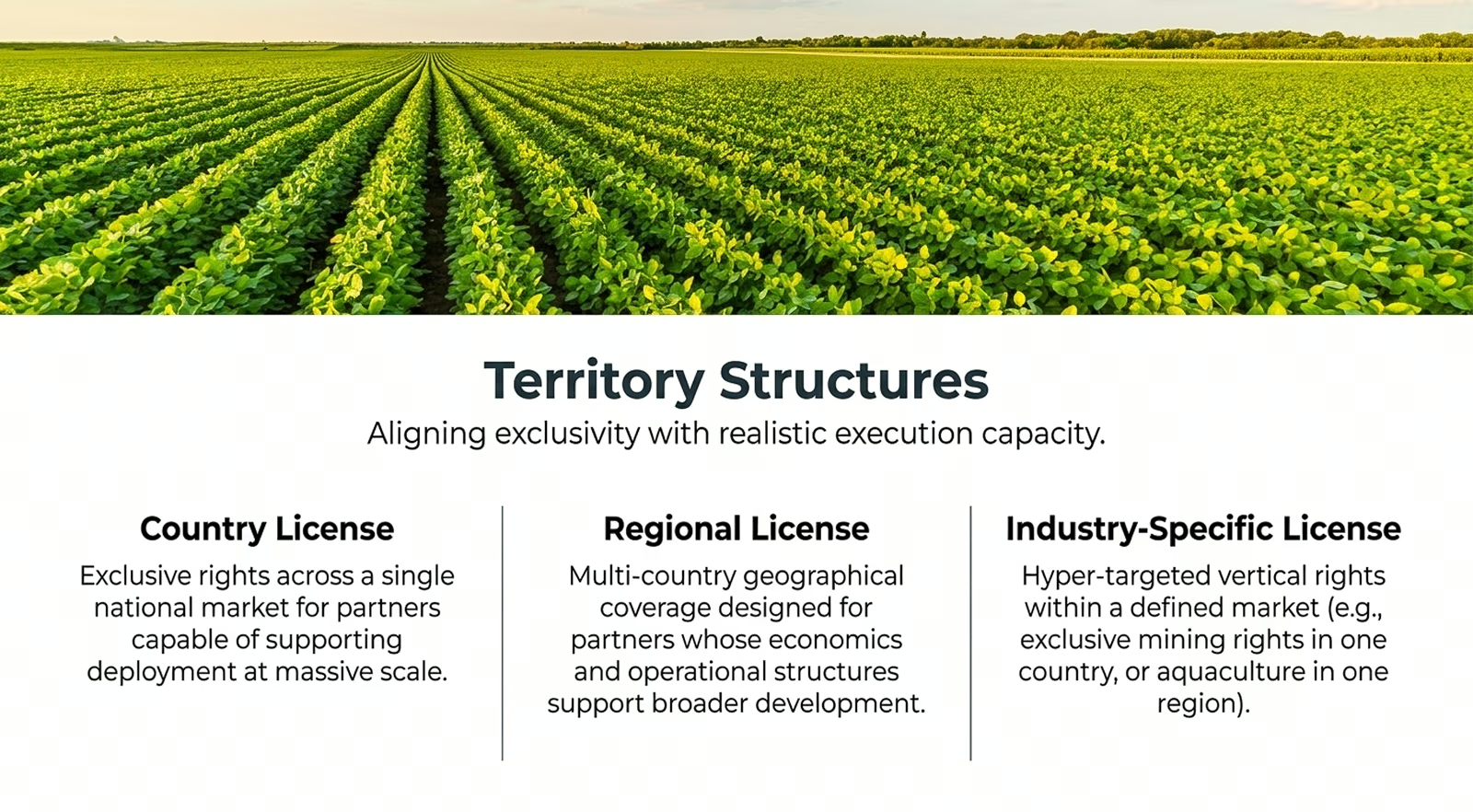
Territories can be structured in several ways depending on market size, sector opportunity, and the capability of the applying partner.
A country license can provide exclusive rights across one national market where the partner can support deployment at scale.
A regional license can cover a multi-country geography where the economics and the partner structure support broader development.
An industry-specific territory can be used where the partner is strong in one vertical within a defined market, such as mining in one country or aquaculture in one region.
The right structure is the one that aligns exclusivity with realistic execution capacity.
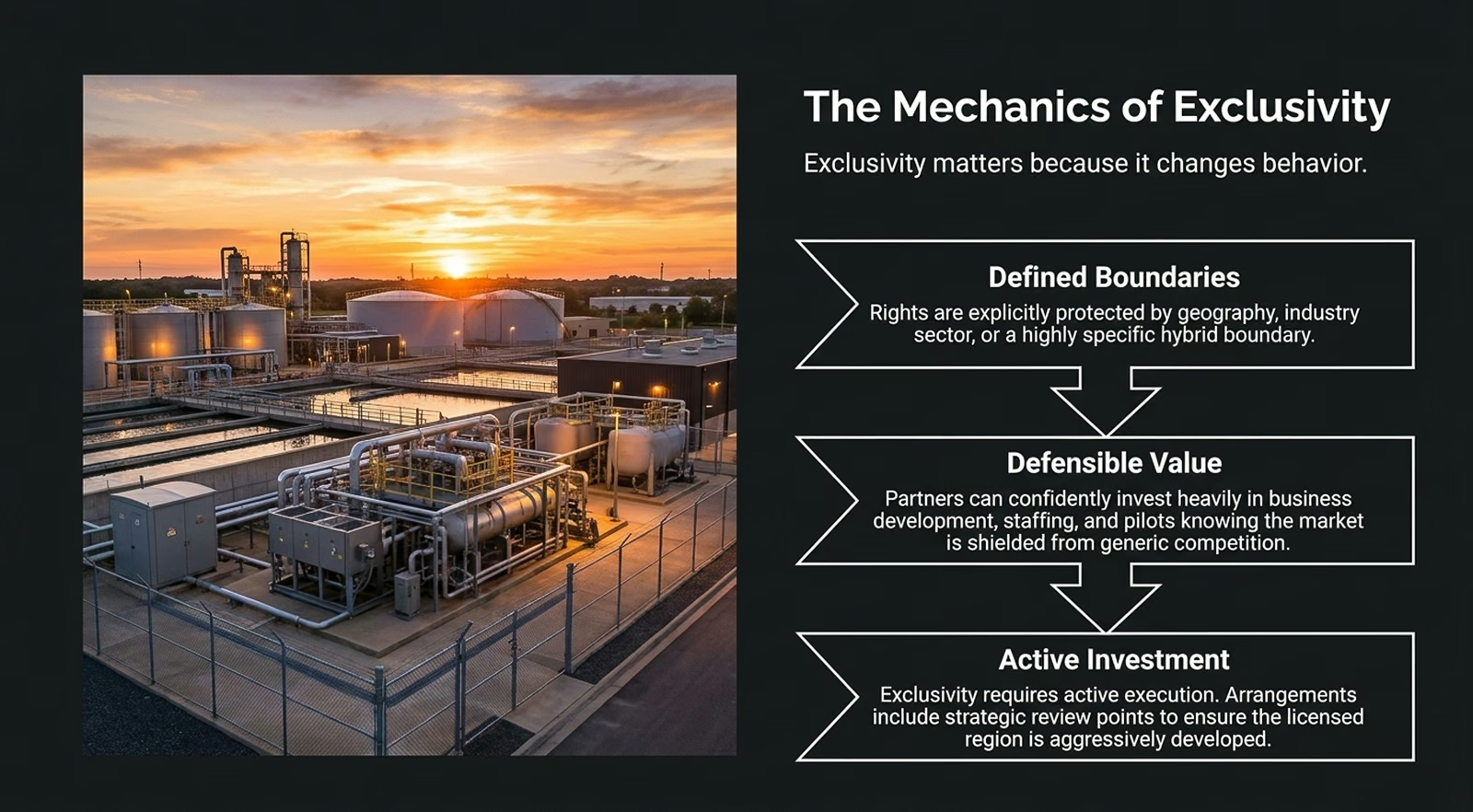
Each territory license provides exclusive rights to deploy G-Cav™ within the agreed market scope. This can apply by geography, by industry sector, or by a combined structure where both boundaries are defined.
Exclusivity matters because it changes behaviour. A serious partner will only invest in business development, awareness building, staffing, pilots, and project qualification if the market they are developing has defensible value.
At the same time, exclusivity does not mean passivity. Territory arrangements may include performance expectations or review points to ensure the licensed region is being actively developed.
Global Cavitation is not seeking passive paper distributors. The strongest territory partners are organisations that already operate close to the target buyer and can credibly support technology deployment.
Ideal partner characteristics include industrial engineering capability, strong sector relationships, access to decision-makers, the ability to support pilot and deployment programs, commercial seriousness, and a willingness to build a market rather than merely quote equipment.
Depending on the territory and sector, these partners may be water treatment firms, mining engineering businesses, infrastructure operators, aquaculture technology providers, industrial distributors, agricultural deployment groups, or oil and gas service organisations.
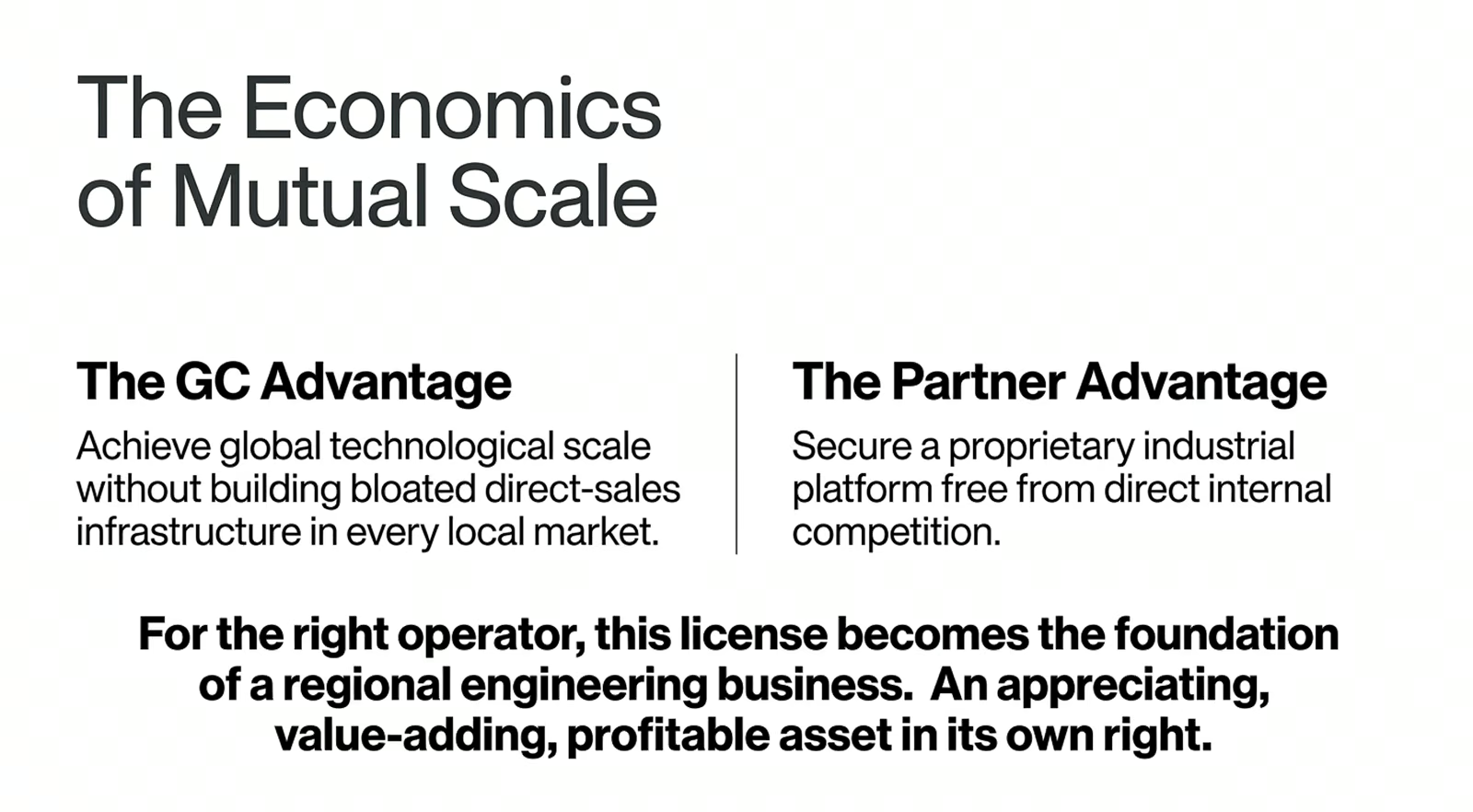
A territory license is valuable because it converts platform access into owned market leverage. Instead of competing as a generic supplier in a crowded category, the partner is positioned around a differentiated industrial platform with a defined market right.
For the right operator, that creates multiple layers of commercial upside: access to large industrial sectors, the ability to build project pipelines within an exclusive market, the possibility of sector expansion over time, and a stronger basis for long-cycle industrial sales than a non-exclusive reseller model.
This is why territory licensing is a business-building mechanism, not merely a sales permission.
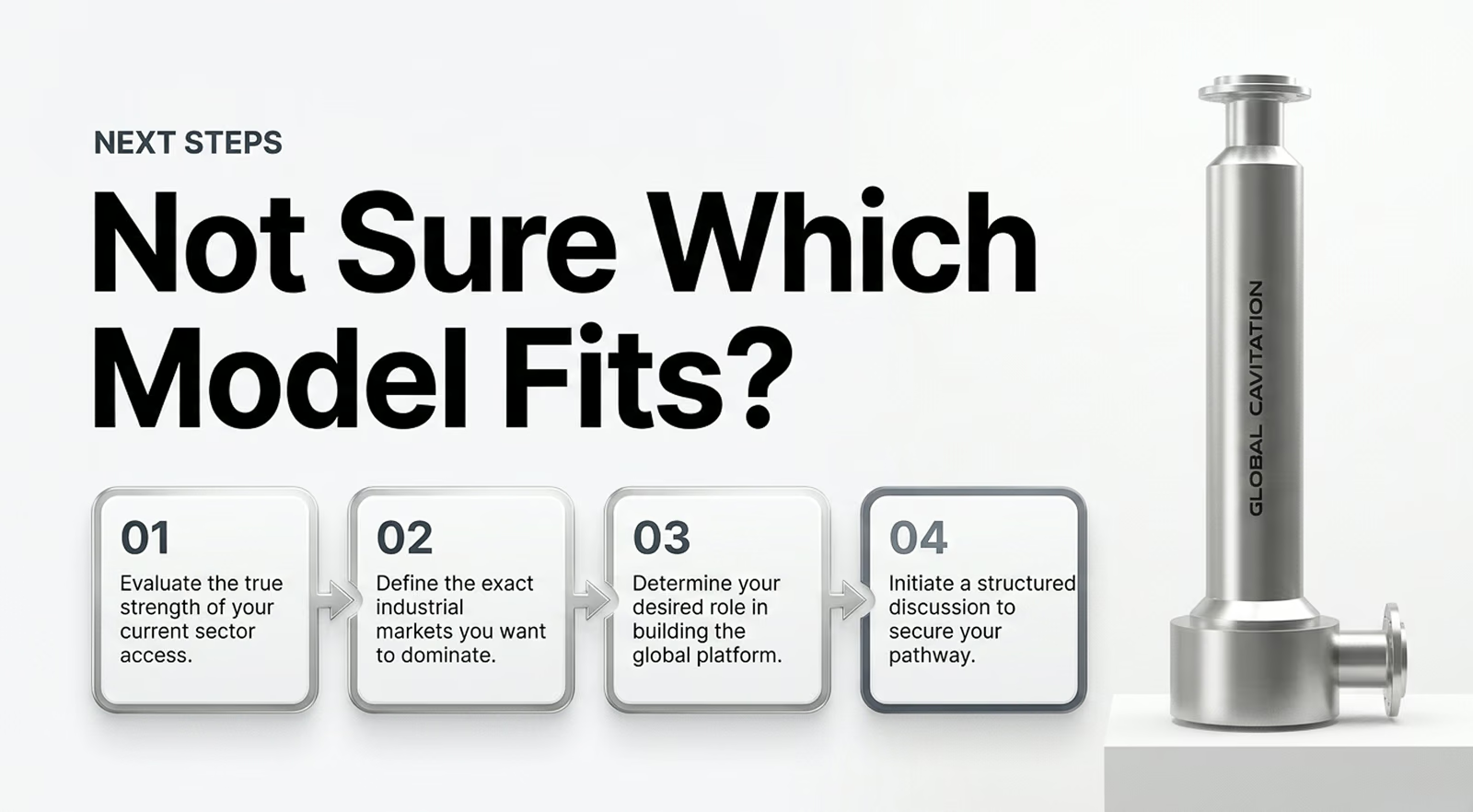
The application process is structured and selective.
Step one is initial enquiry, where the prospective partner outlines the territory, sector focus, business capability, and why the opportunity is a fit.
Step two is a territory discussion to define the geography, sector scope, and whether the opportunity is best structured by country, region, industry, or a hybrid model.
Step three is commercial and technical review, where Global Cavitation assesses market fit, partner capability, development plan, and the practical seriousness of the proposal.
Step four is the formal license agreement covering territory, commercial terms, support model, and exclusivity conditions.
Territory opportunities remain available until they are negotiated. Stronger, better-prepared enquiries move faster.
A premium world map and availability graphic is being developed for this page by showing territories as Available, Under Discussion, or Licensed, but the underlying message is simple: exclusivity is limited, and serious markets will not remain open indefinitely.
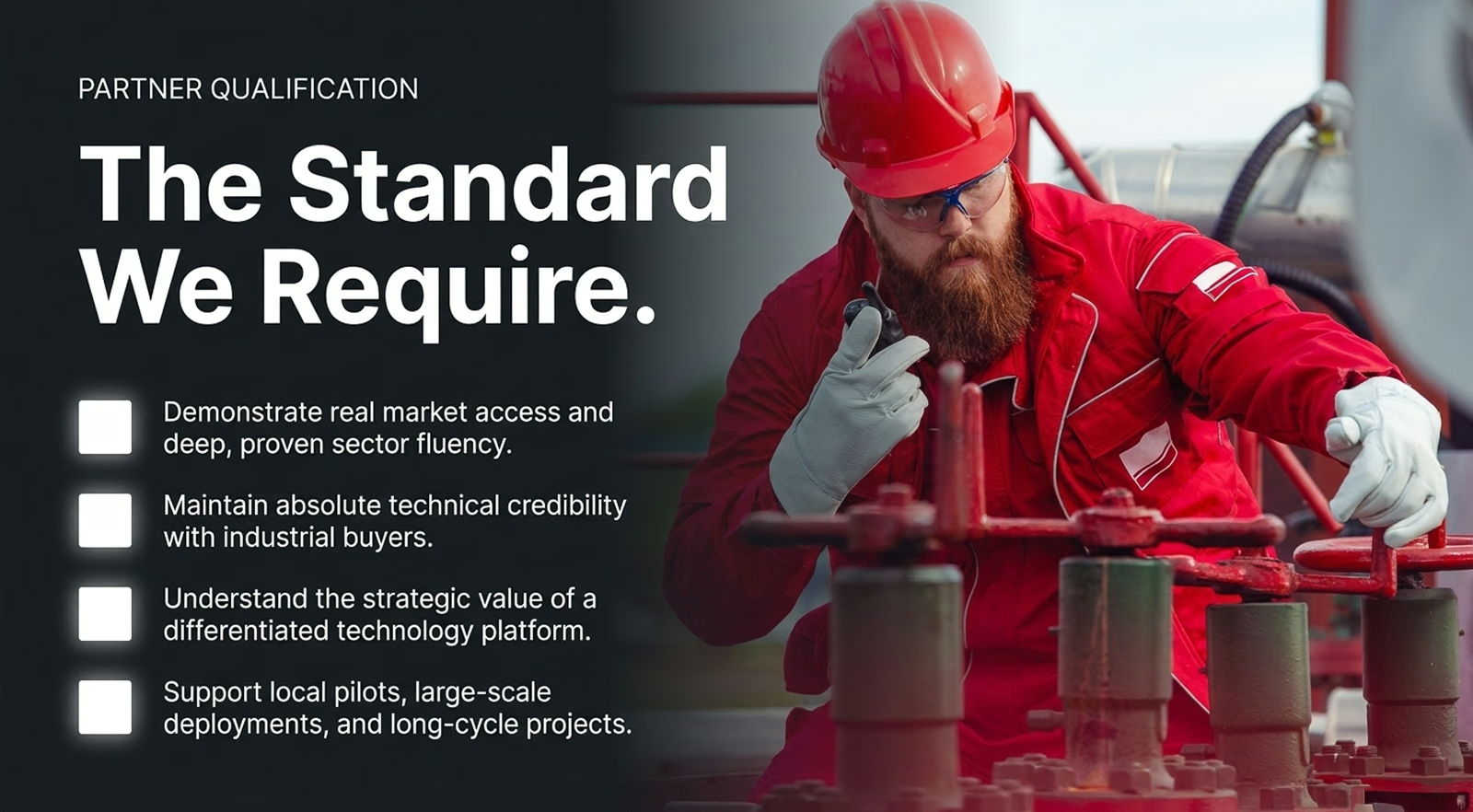
Global Cavitation is evaluating a limited number of territory partners across multiple regions and sectors. The strongest opportunities will go to organisations that combine local market access, technical credibility, and a serious deployment plan.