
Restore dissolved oxygen, improve water-body health, and support ecological recovery through targeted cavitation-driven oxygen delivery in degraded lakes, reservoirs, river reaches, wetlands, and managed storages.
When dissolved oxygen collapses in a water body, ecological decline rarely stays contained to a single variable. Sediment chemistry shifts, odour and sulphide issues rise, nutrient release accelerates, habitat quality falls, and the whole system becomes harder and more expensive to recover. G-Cav™ is designed to intervene at that deeper process level by delivering oxygen where restoration logic actually requires it.
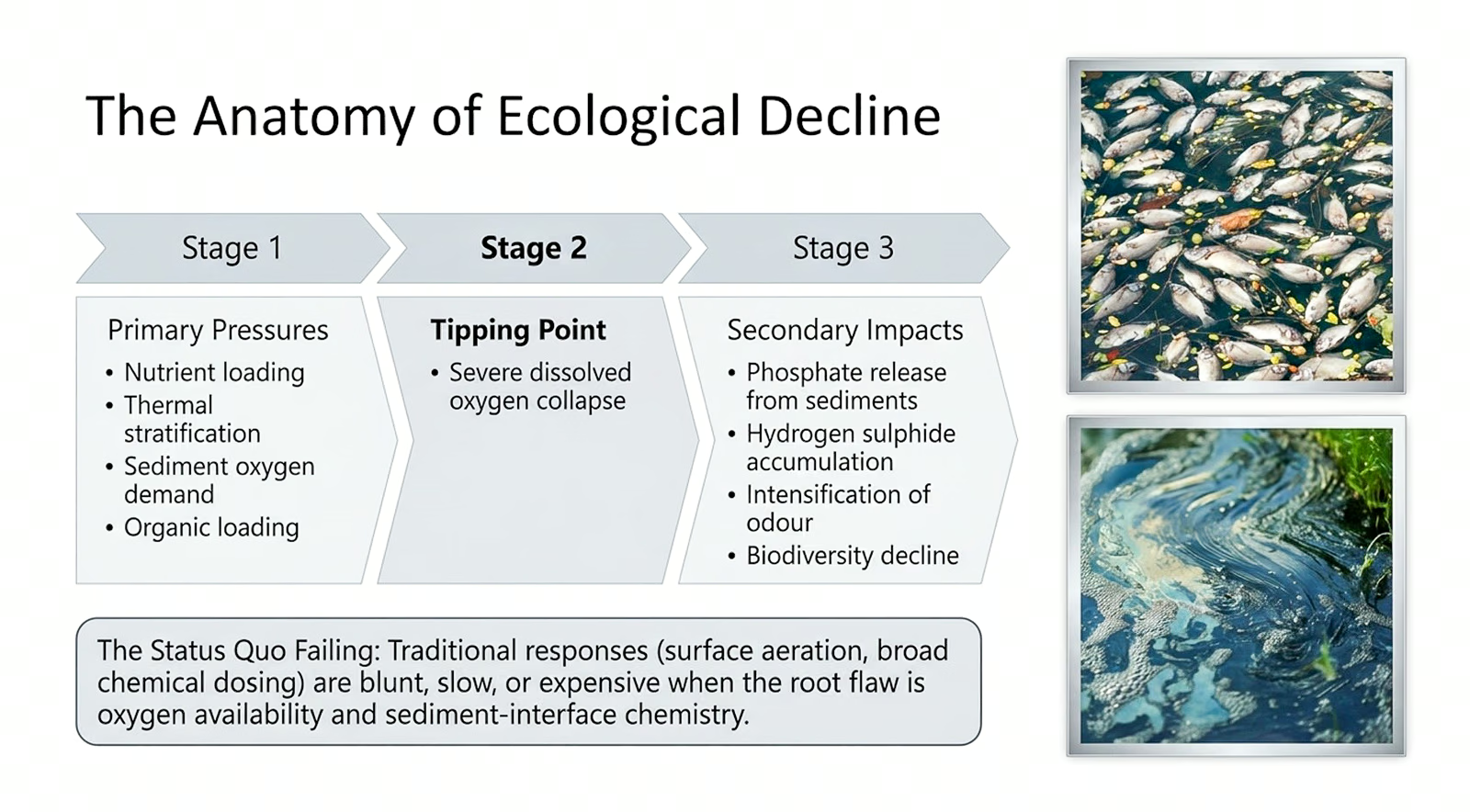
Large water bodies usually degrade through a combination of pressures rather than one isolated cause. Nutrient loading, thermal stratification, sediment oxygen demand, poor circulation, algal biomass decay, organic loading, and seasonal stress can gradually push the system into a low-oxygen state.
Once that happens, secondary impacts follow. Phosphate can be released from sediments, hydrogen sulphide can accumulate, odour can intensify, biodiversity can decline, fish and invertebrate stress can rise, and algal pressure can become harder to control. In drinking-water storages and managed reservoirs, operational risk can increase as well.
Traditional responses such as surface aeration, broad chemical dosing, or large civil works may all have a role, but they are often blunt, slow, or expensive when the underlying problem is oxygen availability and sediment-interface chemistry.
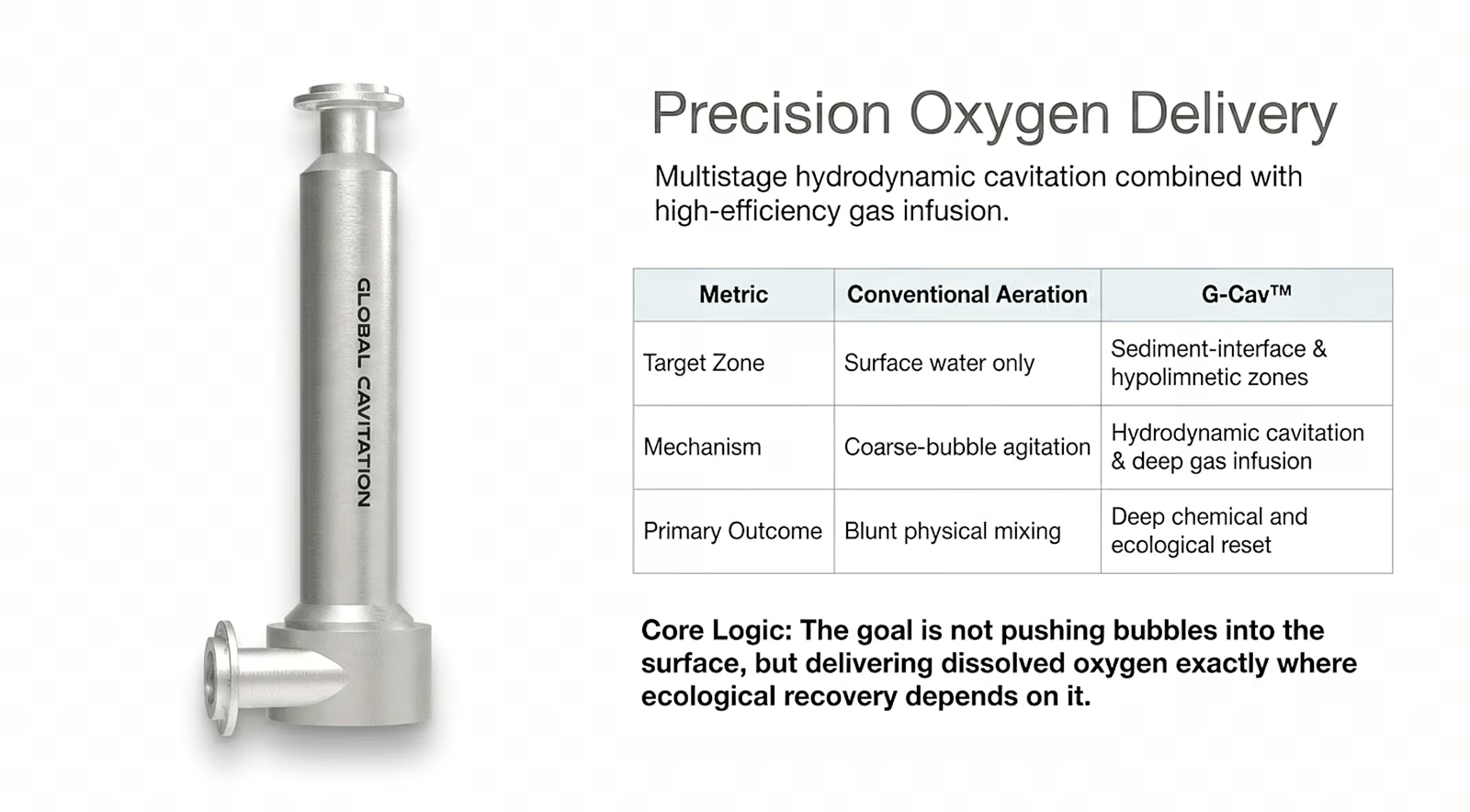
G-Cav™ applies the same core platform logic used across the broader Global Cavitation system: multistage hydrodynamic cavitation combined with high-efficiency gas infusion. In water-body restoration, that logic becomes an oxygen-delivery tool designed to improve gas-liquid interaction far more effectively than coarse-bubble or surface-only aeration approaches.
The goal is not simply to push more bubbles into the surface water. The goal is to deliver dissolved oxygen where ecological recovery depends on it — within stressed zones of the water column, near the sediment interface, or in deeper parts of the system where conventional aeration has limited effect.
That makes the platform especially relevant where the restoration target is improved oxygen availability, stronger aerobic conditions, reduced hypoxic stress, and a more stable chemical environment inside the water body itself.
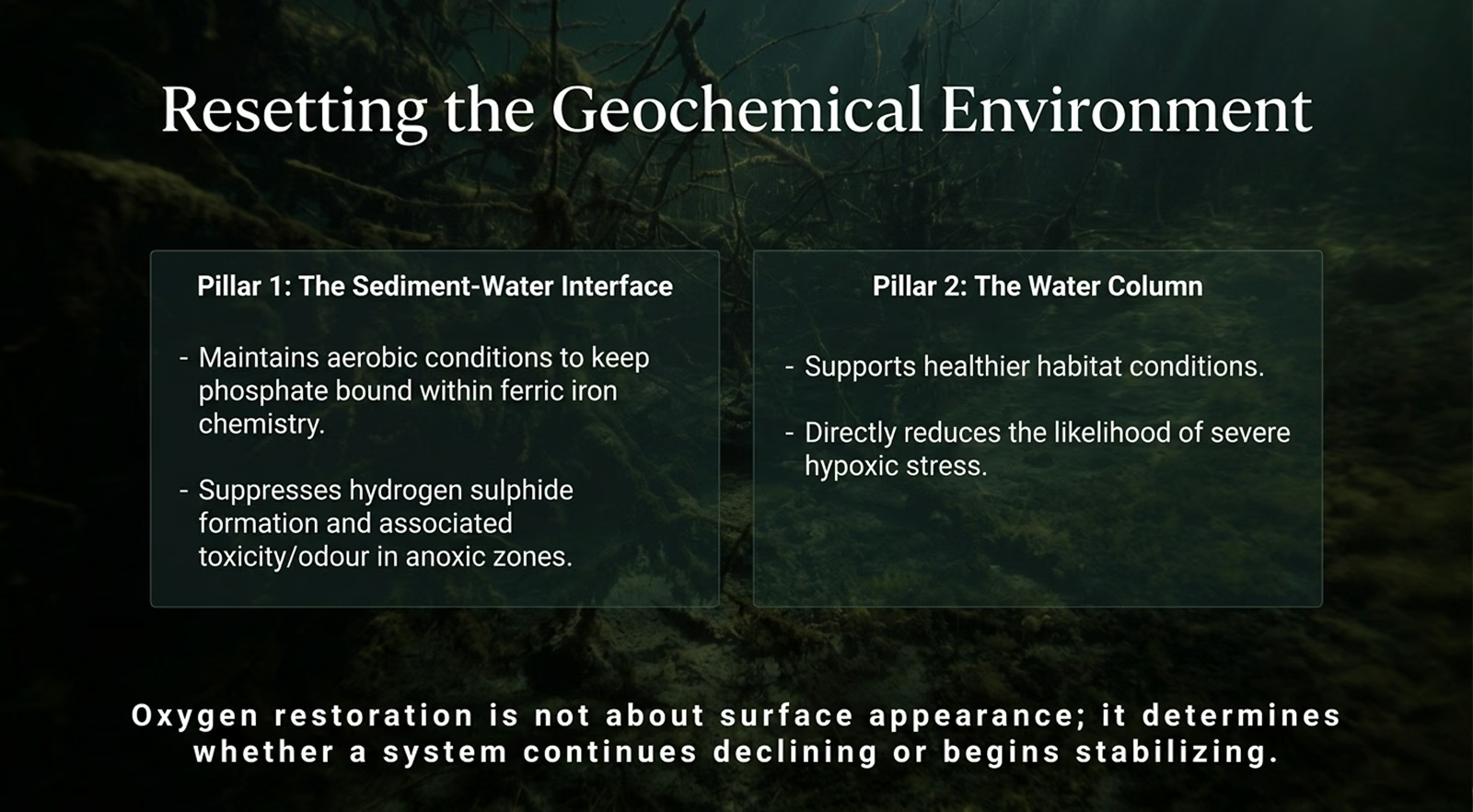
Oxygen restoration is one of the most powerful control points in degraded aquatic systems because it influences multiple remediation pathways at once.
At the sediment-water interface, aerobic conditions help keep phosphate bound within ferric iron chemistry rather than allowing it to move back into the water column. In the water column, stronger dissolved oxygen supports healthier habitat conditions and reduces the likelihood of severe hypoxic stress. In anoxic zones, oxygen can also help suppress hydrogen sulphide formation and the odour and toxicity associated with it.
That means oxygen restoration is not only about fish comfort or surface appearance. It is about resetting the geochemical and biological conditions that determine whether the system continues declining or begins stabilising.
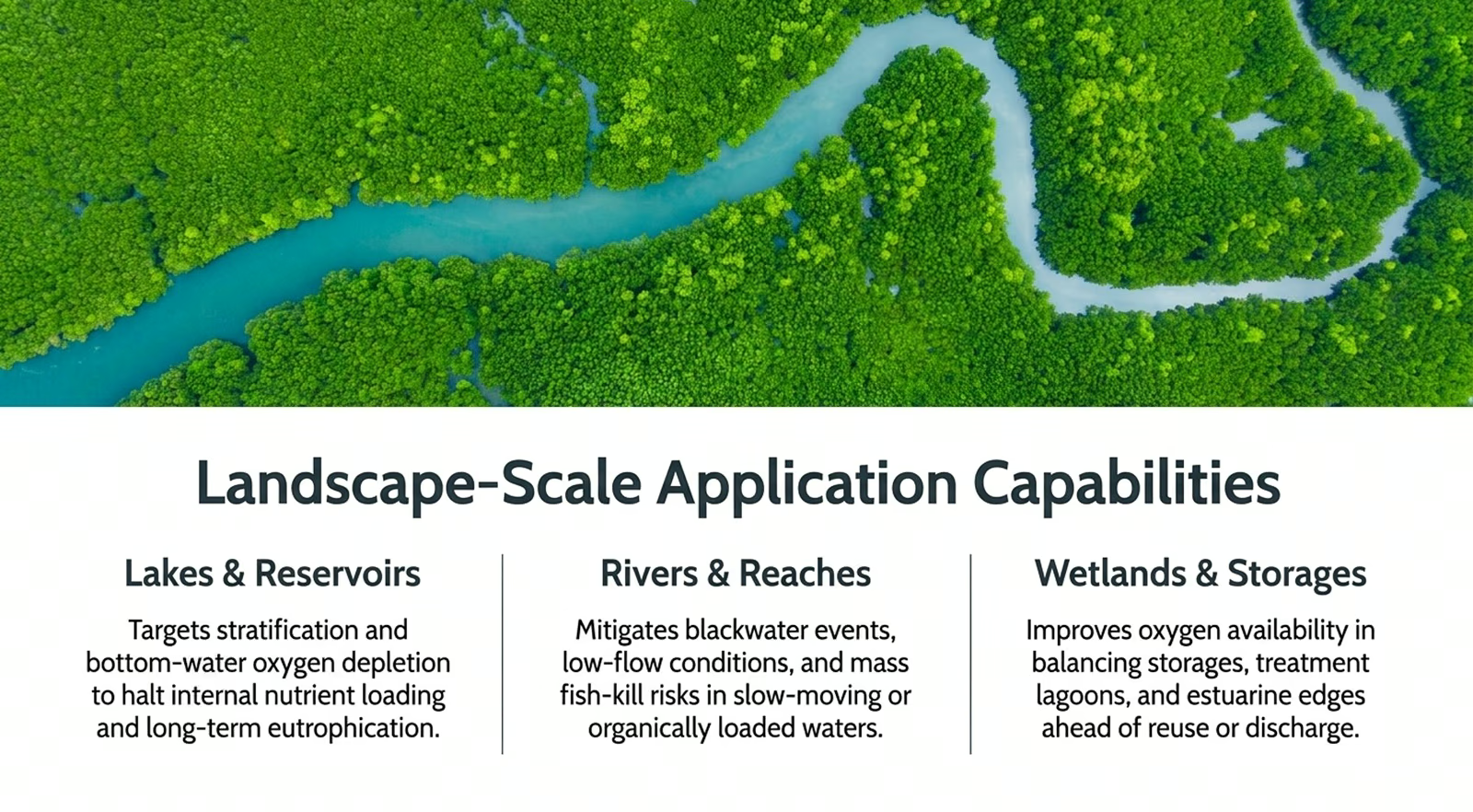
Lakes and reservoirs are among the strongest applications because stratification and bottom-water oxygen depletion can drive internal nutrient loading and long-term eutrophication pressure.
Rivers and slow-flow reaches are also highly relevant where blackwater events, low-flow conditions, organic loading, or poor circulation create dissolved oxygen collapse and mass fish-kill risk.
Wetlands, balancing storages, treatment lagoons, estuarine edges, and other managed environmental waters also fit well when the objective is to improve oxygen availability, reduce odour, support ecological recovery, or strengthen water quality ahead of reuse or discharge.
These environments differ in geometry, flow, and biological condition, but they share the same core challenge: when oxygen drops too far, the whole system begins to work against recovery.
Water-body restoration has to be approached as a structured program rather than as a device drop-in. A credible pathway begins with site assessment, water-quality review, depth and circulation profiling, and clear definition of the restoration objective.
From there, deployment design can be built around water-body size, target depth, circulation patterns, and the measured oxygen deficit. In most cases, the right commercial path is a pilot or staged rollout followed by monitoring of dissolved oxygen response and broader ecological indicators over time.
That matters because serious environmental buyers do not purchase restoration technology on marketing language alone. They need a clear link between the treatment logic, the site conditions, and the monitoring framework that will prove whether the intervention is working.
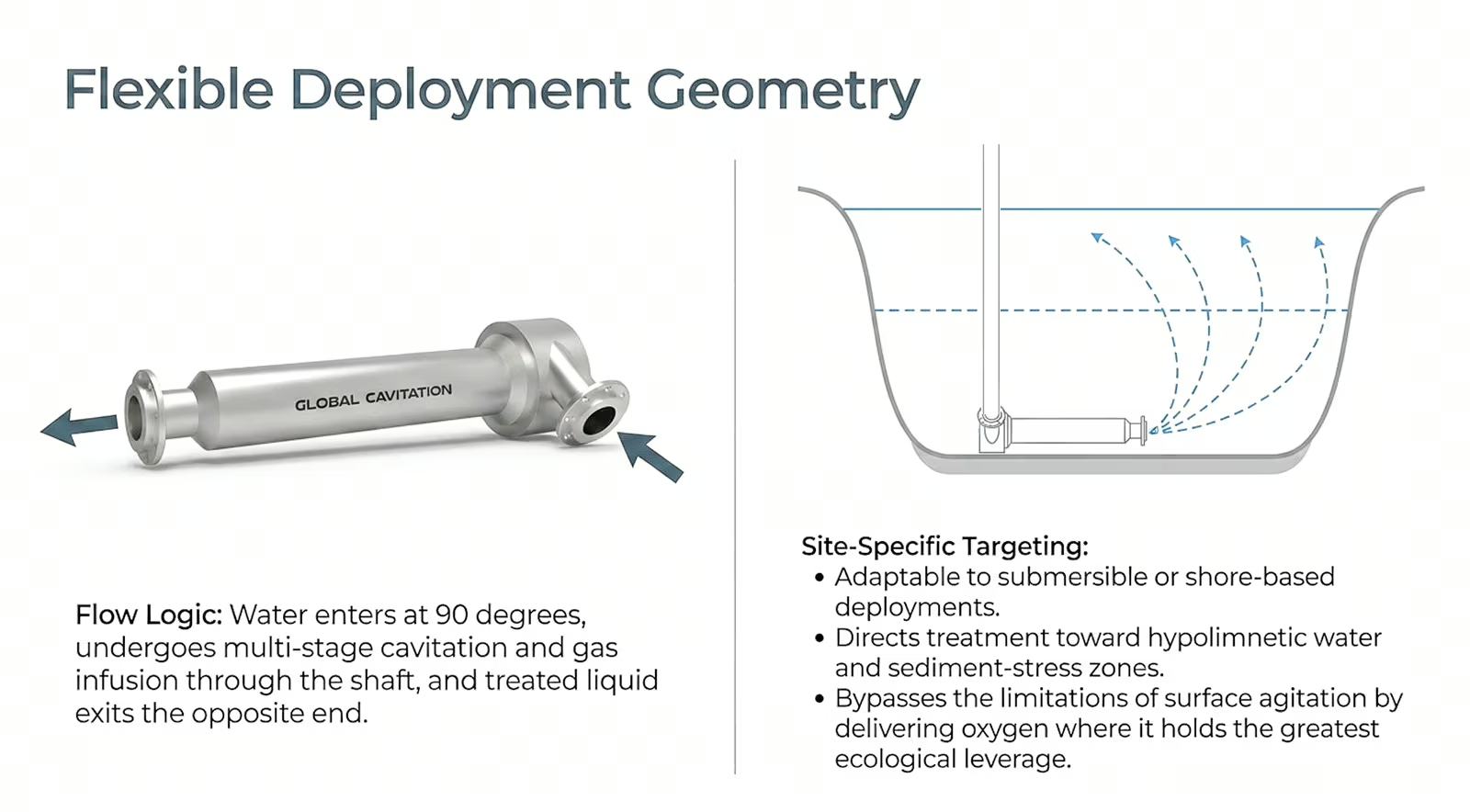
The platform can be adapted to submersible or site-specific deployment strategies depending on the water body. That allows treatment to be directed toward the depth and zone that matter most instead of relying only on surface agitation.
In practical terms, this can mean placing oxygen treatment closer to hypolimnetic water, sediment-stress zones, stagnant reaches, or other areas where dissolved oxygen recovery has the greatest ecological leverage.
That flexibility is important because restoration is rarely one-size-fits-all. A shallow urban lake, a stratified reservoir, a slow river reach, and a treatment lagoon all require different deployment logic even when oxygen recovery is the central objective.
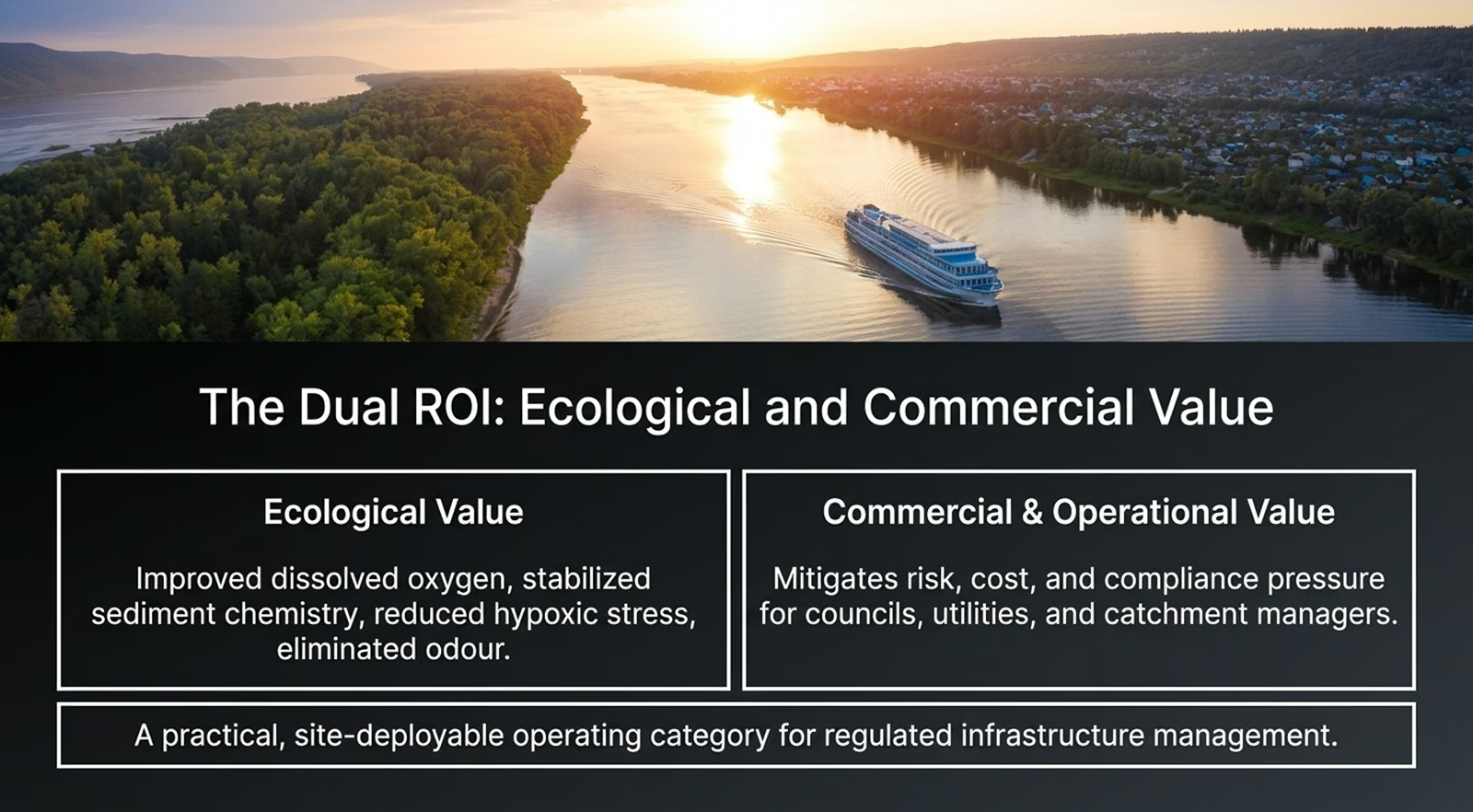
The ecological value of restoration is clear: improved dissolved oxygen, reduced hypoxic stress, less odour, more stable sediment chemistry, and stronger conditions for aquatic recovery.
The commercial and operational value is also real. Water-body restoration sits inside public infrastructure, environmental contracting, catchment management, utilities, remediation programs, and regulated site management. Poor water quality creates cost, risk, compliance pressure, and public visibility.
That makes this vertical more than an environmental message. It is a practical operating category for councils, lake authorities, utilities, site owners, and specialist environmental contractors who need site-deployable recovery tools.
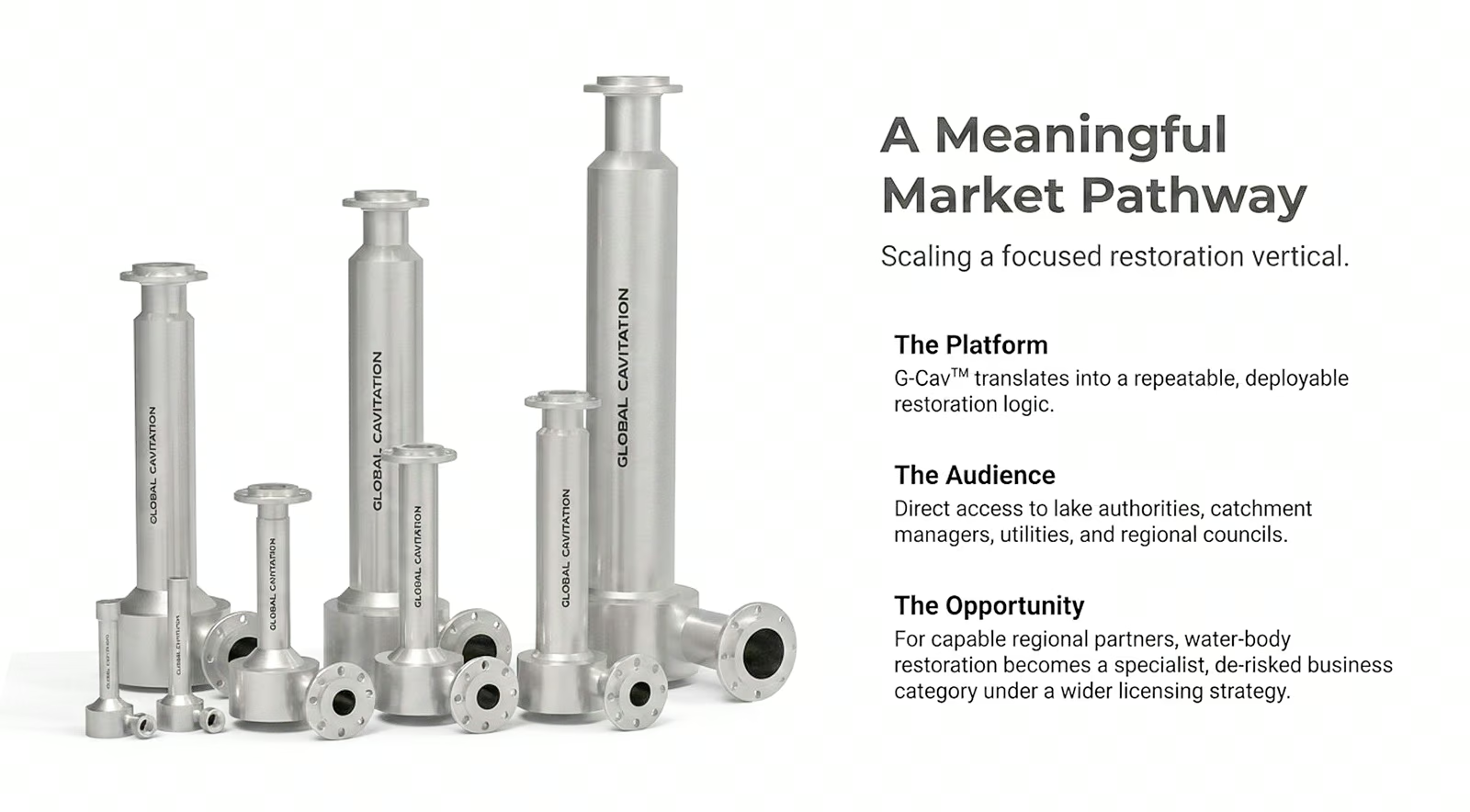
Lakes, Rivers & Reservoirs sits inside the broader environmental remediation platform, but it also stands on its own as a meaningful market pathway. A capable regional partner may already have access to lake authorities, catchment managers, environmental works programs, utilities, regional councils, and remediation projects where dissolved oxygen recovery is a clear need.
That is why this page matters commercially. It shows how the broader G-Cav™ platform can be translated into a focused restoration vertical with repeatable deployment logic and strong regional relevance.
For the right partner, water-body restoration is not just a technical application. It can become a specialist environmental business category within a wider licensing strategy.
The platform is positioned for oxygen restoration in degraded water bodies. The objective is to restore dissolved oxygen, improve water-body health, and support ecological recovery in lakes, reservoirs, river reaches, wetlands, and managed storages.
When dissolved oxygen collapses, ecological decline rarely stays contained to one variable. Sediment chemistry shifts, odour and sulphide issues rise, nutrient release accelerates, habitat quality falls, and the whole system becomes harder and more expensive to recover.
The aim is not simply to push more bubbles into surface water. G-Cav™ is positioned to deliver dissolved oxygen where ecological recovery depends on it, including stressed zones of the water column and near the sediment-water interface.
Strong-fit environments include lakes, reservoirs, slow-flow river reaches, wetlands, impoundments, estuarine environments, and other managed waters where low dissolved oxygen, poor circulation, sulphide formation, odour, or eutrophication are major concerns.
The current restoration logic is structured: site assessment, identification of oxygen and circulation targets, deployment design, pilot or staged rollout, and monitoring of oxygen response and broader ecological indicators over time.