
From high-strength industrial effluent to municipal treatment optimisation, G-Cav™ is a cavitation and nanobubble platform for pretreatment, flotation, oxygenation, and whole-of-system performance improvement.
Wastewater is one of the strongest commercial verticals in the G-Cav™ platform because the process pain is immediate and measurable. Whether the problem is trade-waste cost, sludge load, aeration energy, effluent instability, or compliance risk, underperformance in wastewater treatment shows up quickly in operating cost and plant stress.
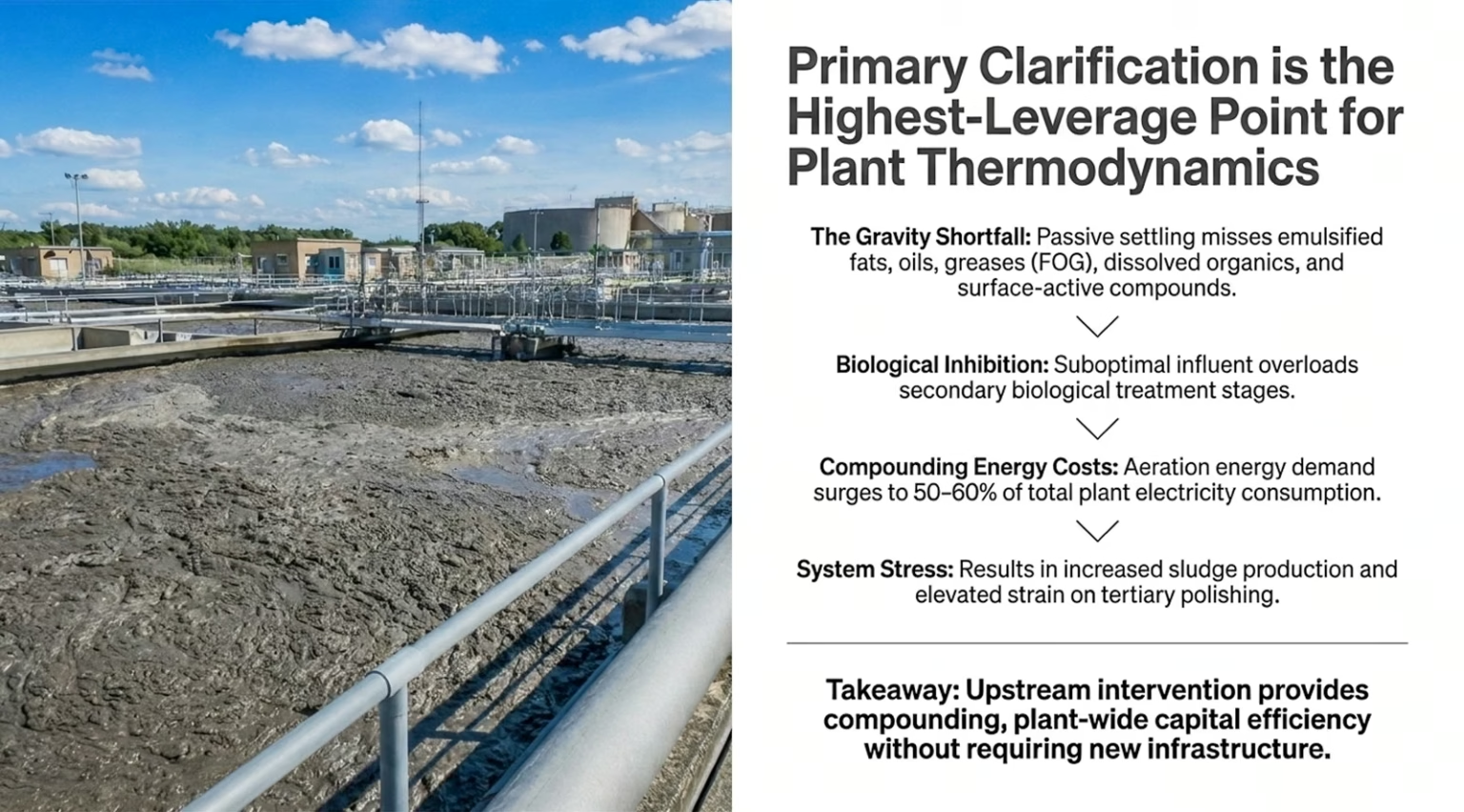
Municipal wastewater treatment plants are designed around a sequence of stages, each of which inherits the quality of what the previous stage delivers. This creates a cascade logic: improvements at the primary clarification stage not only improve the primary effluent received, but also reduce the load on secondary biological treatment, lower aeration energy demand, protect the activated sludge biomass from inhibition, and reduce the burden on tertiary polishing. A single upstream intervention with compounding downstream effects can therefore become a capital-efficient step change improvement that improves outcomes, lowers cost, enables increased profit potential, reduces time, and increases throughput from existing infrastructure.
Multistage hydrodynamic cavitation technology with gas infusion, deployed in the primary clarifier, transforms a passive gravity-settling tank into an active separation cell through a mechanism of sub-micro flotation. By generating a dense cloud of nanobubbles using air — requiring virtually no gas compression, no chemical addition, and no modification to existing infrastructure — the system continuously drives surfactants, fats, oils, greases, pharmaceuticals, and surface-active contaminants including PFAS to the water surface for skimming, while simultaneously raising the bulk water surface tension and improving the quality of water delivered to every downstream stage. This capability statement presents the physical mechanism, the analogous field performance data from high-contamination produced water treatment, the cascade hypothesis for municipal application, and a pilot program design intended to confirm the full benefit profile on site.
Supporting points:
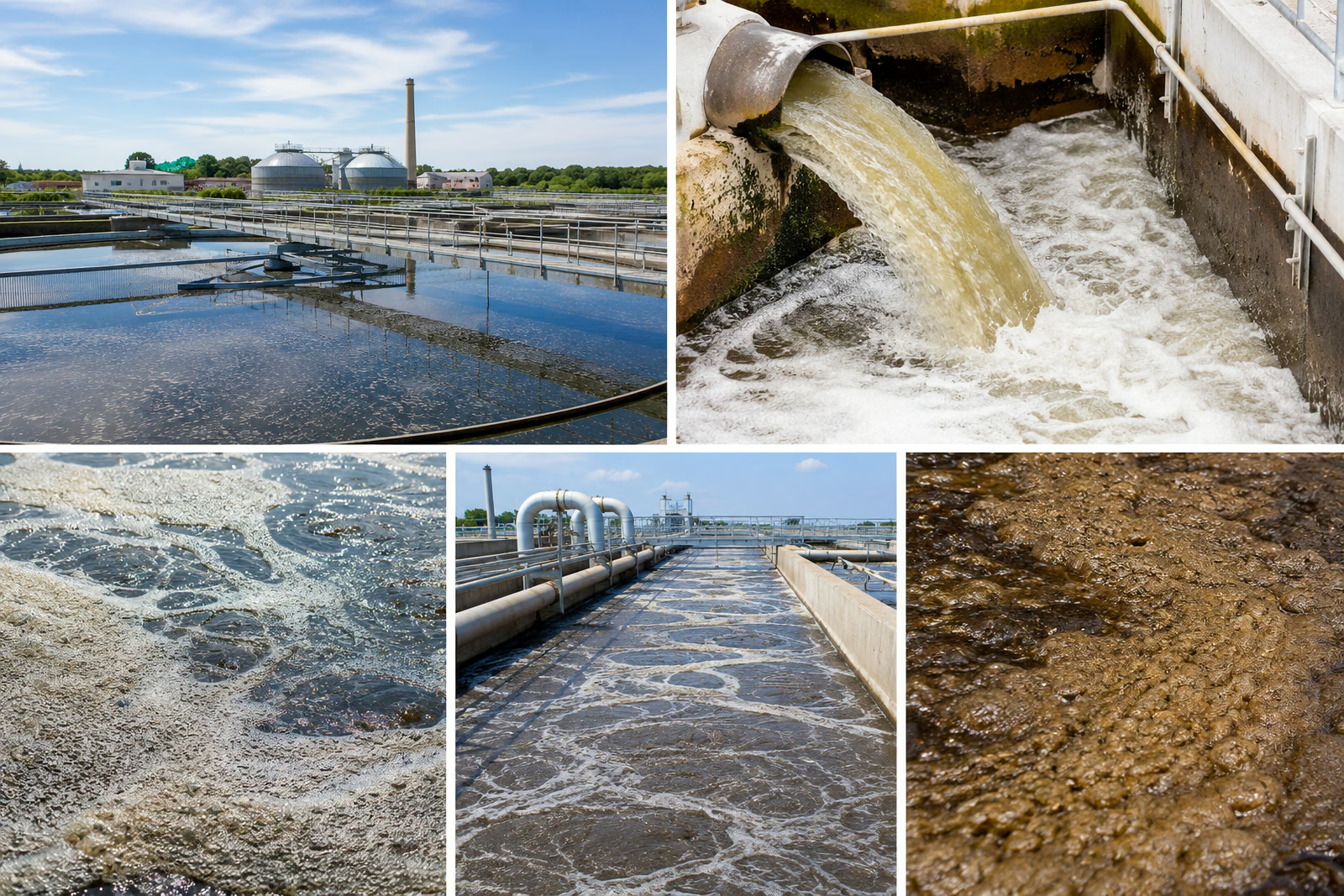
Wastewater matters because treatment performance is directly tied to money, compliance, and infrastructure burden. In both industrial and municipal environments, poor early-stage separation or unstable water quality increases downstream cost across energy, chemistry, sludge handling, polishing, and discharge management.
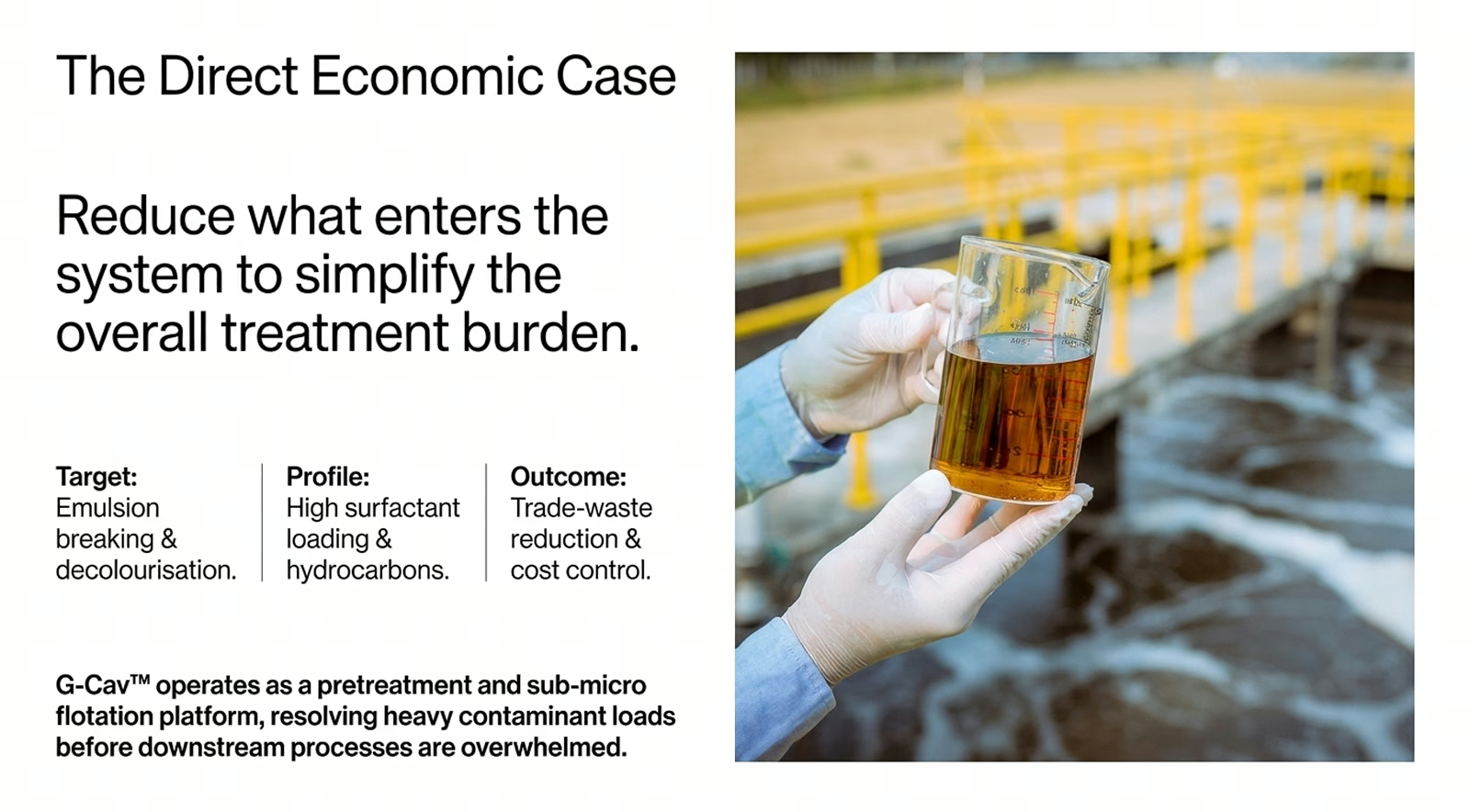
In industrial settings, the cost is often direct and visible. Operators face trade-waste surcharges, pretreatment bottlenecks, emulsified fats and oils, surfactant-heavy streams, colour, hydrocarbons, and disposal costs that can often be quantified line by line.
In municipal settings, the cost is more systemic but equally real. When primary treatment underperforms, the burden cascades into secondary biology, aeration demand, sludge production, tertiary polishing, and overall plant stability.
The G-Cav™ multistage hydrodynamic cavitation system deploys directly within existing primary clarifiers, converting passive gravity-settling tanks into active separation cells. Using only atmospheric air drawn through a vortex-induced mechanism that requires no external compression infrastructure or chemical addition, the technology generates a dense cloud of nanobubbles throughout the tank volume.
This enables continuous sub-micro flotation that drives surface-active contaminants—including surfactants, fats, oils, greases, pharmaceuticals and PFAS—to the water surface for removal by existing or simple skimming systems. Simultaneously, the process raises the bulk water surface tension, fundamentally improving the quality of effluent delivered to every downstream stage. No modifications to existing infrastructure, civil works or operational protocols are required.
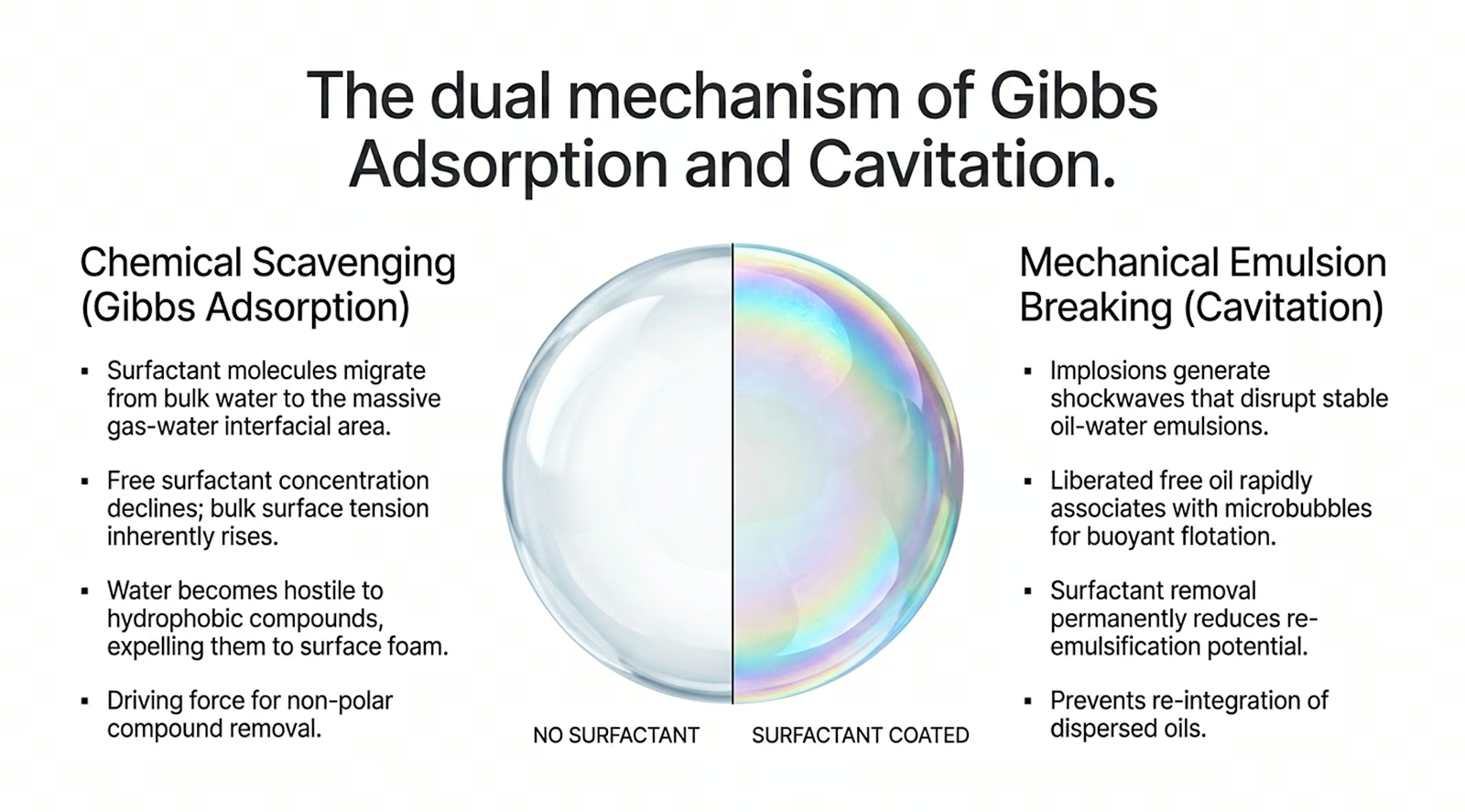
Performance is driven by two mutually reinforcing physical processes powered by multistage hydrodynamic cavitation. The Gibbs adsorption isotherm causes surfactant molecules to migrate from the bulk water to the enormous gas-water interfacial area created by the nanobubble cloud. As free surfactant concentration declines, bulk surface tension rises according to fundamental thermodynamics. This makes the water progressively hostile to hydrophobic compounds such as fats, oils, pharmaceuticals and PFAS, expelling them thermodynamically to the surface foam.
Concurrently, cavitation implosions generate shockwaves that mechanically disrupt stable oil-water emulsions, liberating free oil that rapidly associates with microbubbles for buoyant flotation. Surfactant removal reduces re-emulsification potential while released surfactants further concentrate at interfaces. The unified outcome is measurable restoration of bulk water surface tension toward clean-water levels—a direct indicator of improved chemistry that enhances oxygen transfer and microbial health downstream.
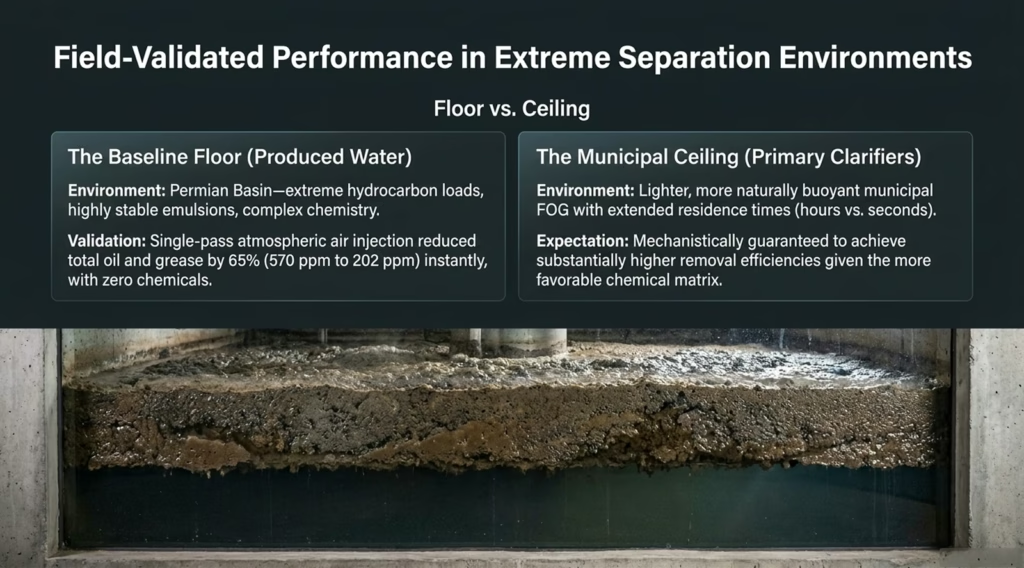
The sub-micro flotation mechanism has been rigorously field-validated in produced water treatment from the Permian Basin—a significantly more demanding separation environment than municipal wastewater, with higher hydrocarbon loads, stable emulsions and complex chemistry. In single-pass tests using a configuration directly analogous to proposed air injection, total oil and grease was reduced by 65%, from 570 ppm to 202 ppm, with no chemicals or recirculation.
A coherent, high-concentration oil layer formed instantaneously on the surface, confirming simultaneous Gibbs adsorption concentration and emulsion-breaking buoyancy. Because produced water presents a conservative lower-bound challenge, this establishes a robust performance floor. In municipal primary clarifiers—with residence times measured in hours rather than seconds and lighter, more buoyant municipal FOG—substantially higher removal efficiencies are mechanistically expected for the same contaminant classes.
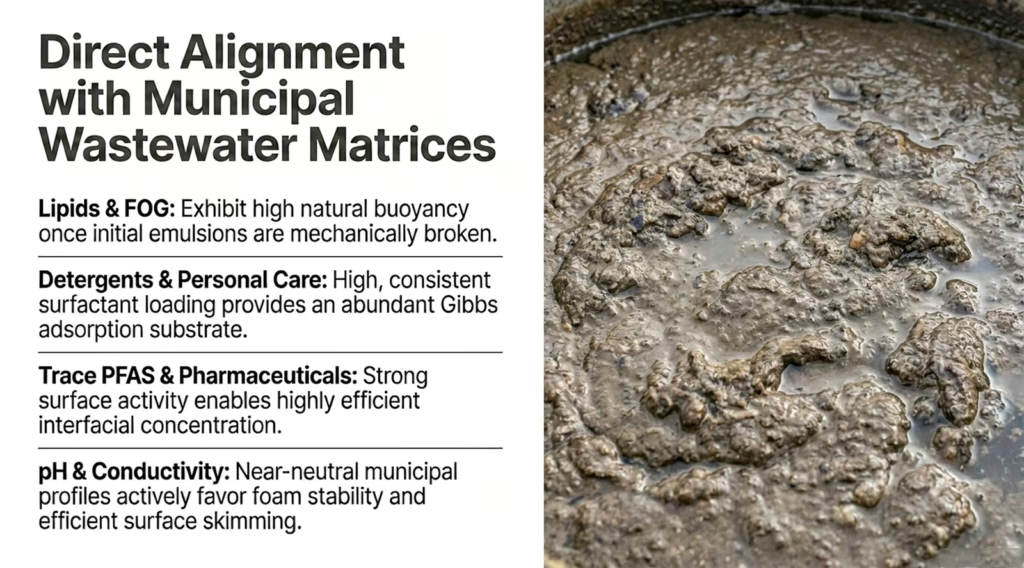
Municipal primary influent presents contaminant profiles that align particularly well with sub-micro flotation. Municipal fats, oils and greases are predominantly lighter lipids with higher natural buoyancy once emulsions are broken. Surfactant loading from detergents and personal care products is high and consistent, providing an abundant Gibbs adsorption substrate that drives surface tension restoration.
Pharmaceuticals and PFAS exhibit strong surface activity even at trace concentrations, making them efficient targets for interfacial concentration. Typical near-neutral pH and lower conductivity favour foam stability and effective skimming. These characteristics position municipal wastewater as an ideal application where the dual mechanisms deliver pronounced primary effluent improvements with direct positive effects on every subsequent treatment stage.
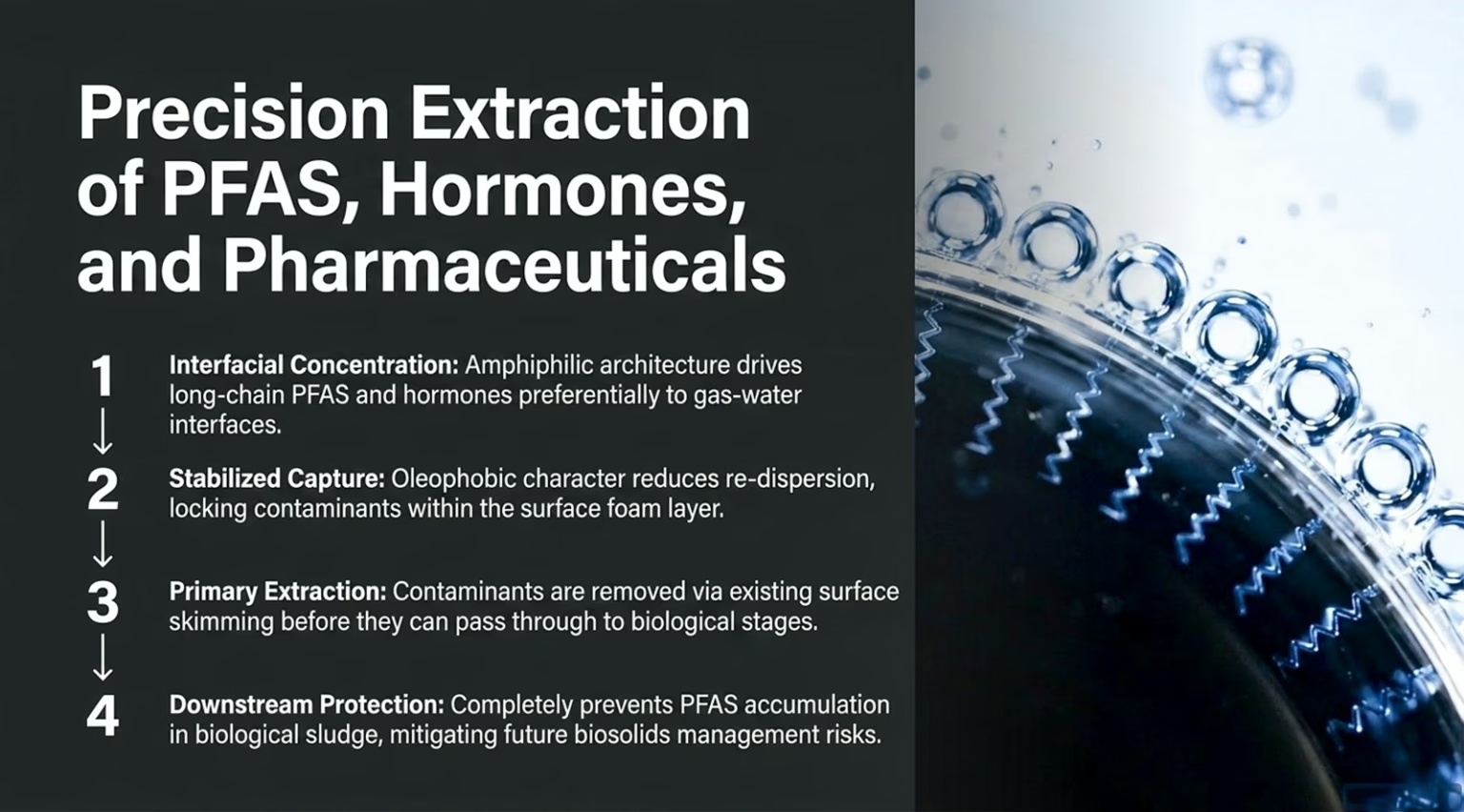
Long-chain PFAS, hormones, pharmaceuticals and other surface-active molecules are efficiently addressed through the same Gibbs adsorption-driven process that concentrates conventional surfactants. These compounds partition strongly and preferentially to gas-water interfaces due to their amphiphilic architecture. Once concentrated in the surface foam, long-chain PFAS in particular exhibit reduced tendency to re-disperse owing to their oleophobic character, enabling effective removal by skimming.
By extracting these persistent contaminants at the primary stage—before they pass through or accumulate in biological sludge—the technology prevents downstream compliance risks and biosolids management challenges. Concurrent removal of inhibiting surfactants and organics restores conditions for optimal oxygen dissolution and transfer in secondary aeration basins, while reducing foam formation and supporting a healthier, more stable microbial biomass.
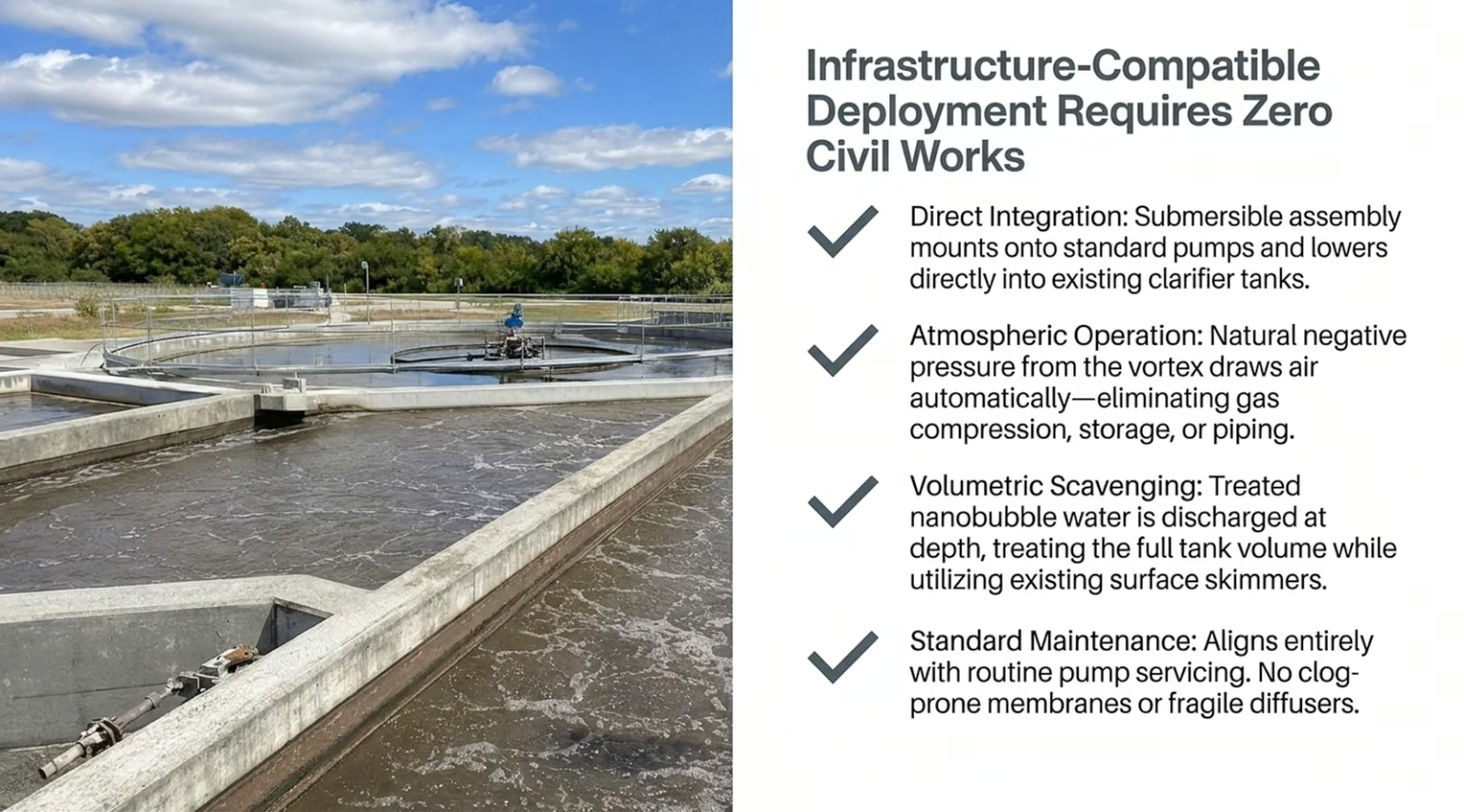
Deployment requires no changes to existing infrastructure, civil works or plant operations. The G-Cav™ unit can be configured as a submersible assembly mounted directly on a standard submersible pump and lowered into the primary clarifier tank. Atmospheric air is drawn into the cavitation chamber by the natural negative pressure created within the vortex, eliminating any need for gas compression, storage or additional piping.
Treated water carrying the nanobubble cloud is discharged at depth, allowing the scavenging mechanism to operate throughout the full tank volume. Surface foam is collected by existing skimmers. Installation can be completed in hours. Alternatively, the system integrates into an existing or new recirculation loop. Maintenance aligns with standard pump servicing, with no clog-prone membranes or diffusers. Multiple units scale in parallel for larger tanks.
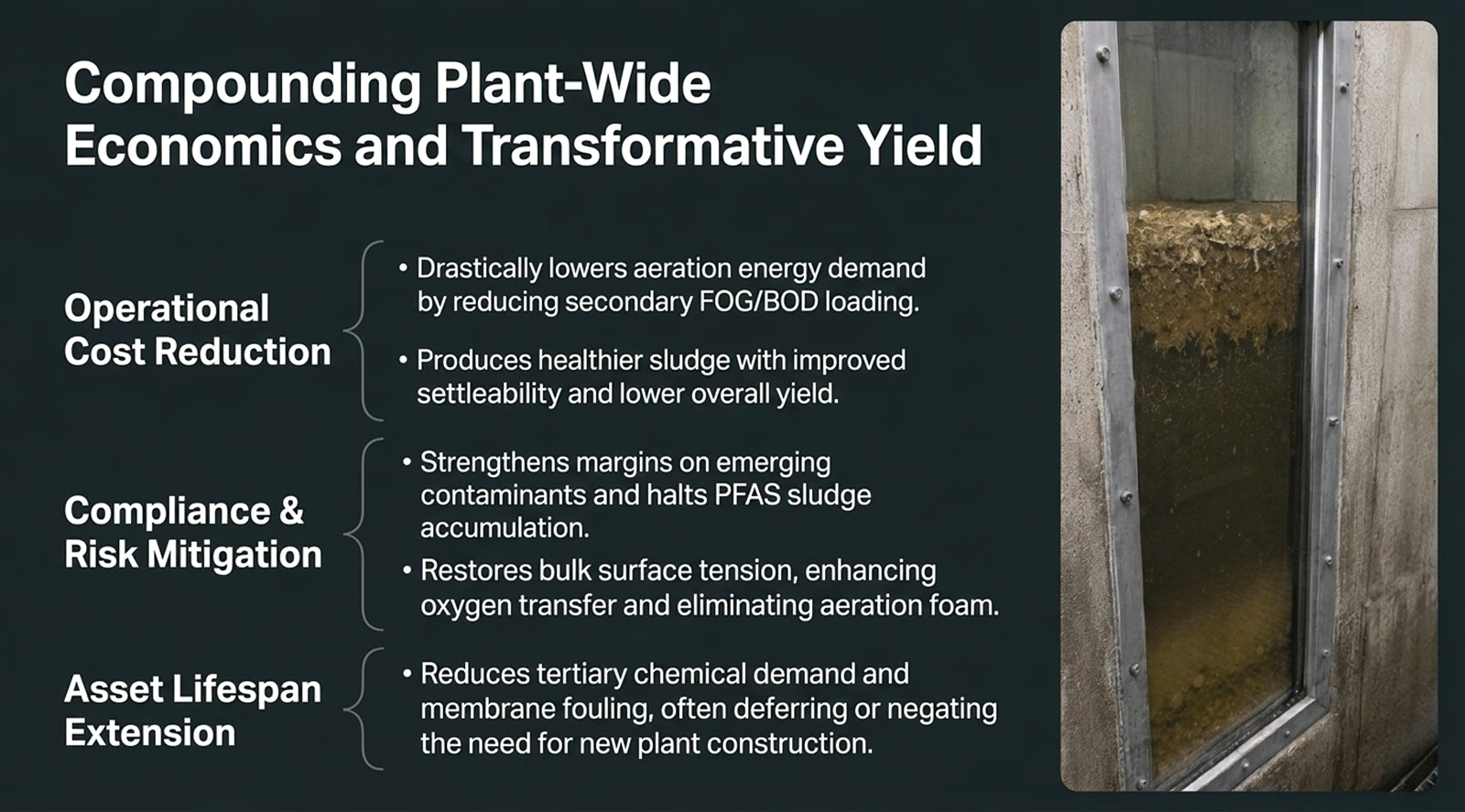
Improvement at primary clarification propagates through the entire plant. Reduced FOG and BOD loading to secondary treatment decreases biomass inhibition, lowers aeration energy demand and produces healthier sludge with improved settleability and lower yield. Biosolids handling costs decline while PFAS accumulation in sludge is mitigated. Tertiary polishing experiences reduced chemical demand and membrane fouling, extending asset life.
Restoration of bulk surface tension further enhances oxygen transfer efficiency and reduces aeration tank foaming. Overall, the intervention delivers capital-efficient gains in throughput from existing infrastructure, substantial operating cost reductions across energy, sludge and chemicals, and strengthened compliance margins on emerging contaminants. This constitutes a step-change advancement: lower total cost of ownership, avoidance of non-compliance penalties, extended lifespan of current assets and, in many cases, deferral or negation of costly new plant construction.
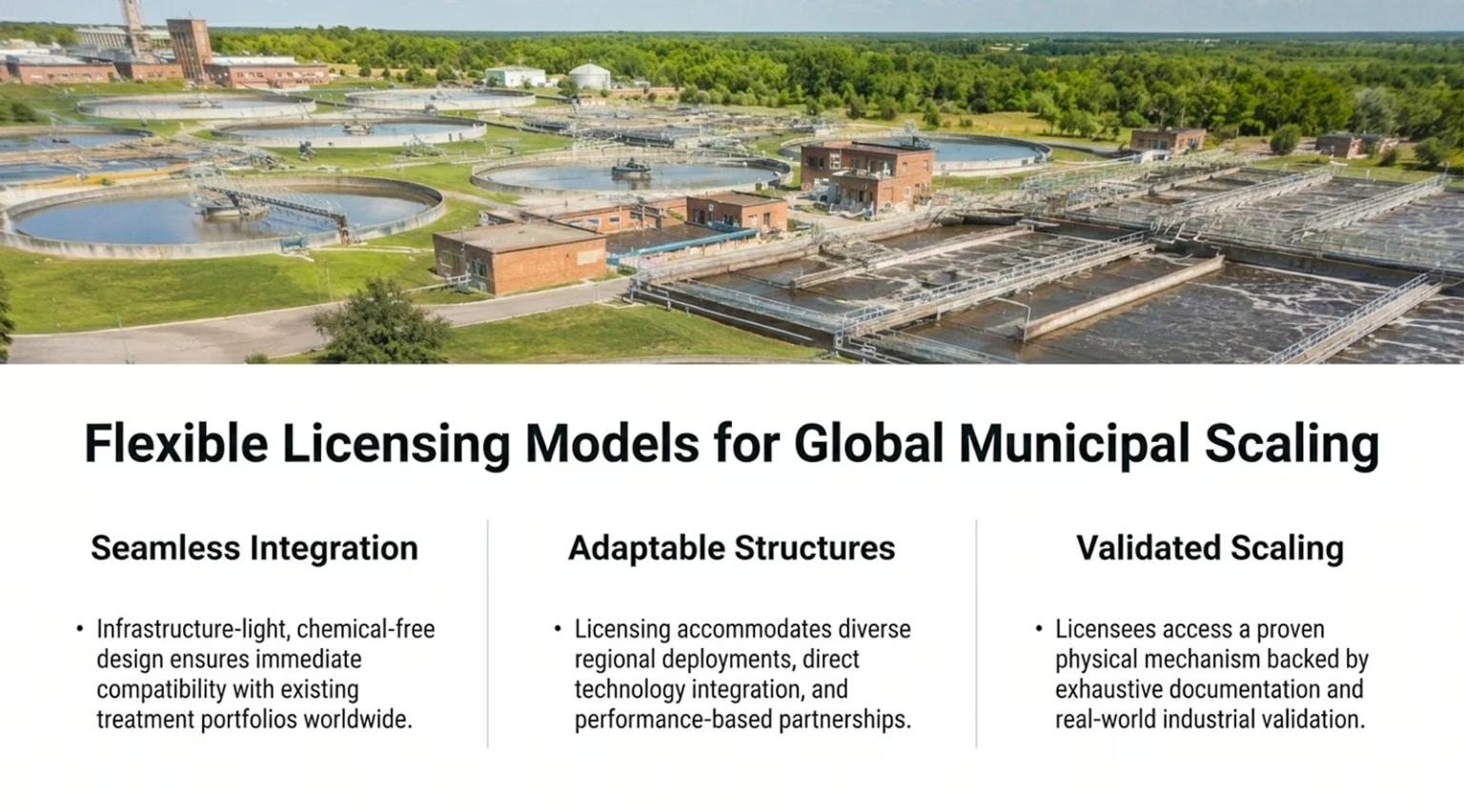
The patented G-Cav™ multistage hydrodynamic cavitation platform is available for licensing to municipal utilities, engineering consultancies, technology integrators and infrastructure operators worldwide. The infrastructure-light design, chemical-free operation and mechanistically grounded performance in contaminant removal position it for seamless integration into existing treatment portfolios and offerings.
Flexible licensing structures accommodate regional deployment, technology integration and performance-based partnerships. Licensees gain access to a proven physical mechanism that delivers compounding value across primary clarification and downstream processes, supported by field validation in demanding applications and comprehensive technical documentation. This enables rapid scaling while maintaining operational simplicity and alignment with diverse regulatory frameworks.
Strategic licensing and partnership with Global Cavitation Group Holdings positions forward-thinking organisations at the forefront of sustainable, high-performance wastewater treatment. The technology directly addresses critical industry challenges—energy intensity, sludge volumes, biosolids quality and emerging contaminant compliance, particularly PFAS—while unlocking higher capacity and reliability from existing assets.
Partners and investors benefit from a scalable platform with broad applicability across municipal and related water sectors. The combination of rigorous surface chemistry foundation, field-proven mechanisms and infrastructure-compatible implementation creates immediate operational savings, mitigates regulatory and reputational risks, and supports ESG objectives through reduced energy and chemical footprints. Global Cavitation welcomes substantive dialogue with utilities, corporates and investors committed to transforming water treatment economics and environmental outcomes at scale.
G-Cav™ deploys inside existing primary clarifiers, generating dense nanobubble clouds through multistage hydrodynamic cavitation. These nanobubbles create vast interfacial area that drives surfactant and hydrophobic contaminant concentration via Gibbs adsorption, while cavitation shockwaves break stable emulsions. The unified effect restores bulk surface tension and produces a concentrated skimmable foam — all without chemicals or infrastructure changes.
Primary clarification is the highest-leverage intervention point. Conventional gravity settling leaves emulsified FOG, surfactants, pharmaceuticals and PFAS in the primary effluent. These contaminants inhibit downstream biology, increase aeration energy demand, raise sludge volumes and create compliance risks. Improving primary effluent quality delivers compounding benefits across secondary treatment, biosolids handling and tertiary polishing.
Unlike chemical dosing or structural modifications, G-Cav™ is infrastructure-light and chemical-free for core operation. It can be installed as a submersible unit in existing tanks within hours or integrated into a recirculation loop, with no civil works required. Atmospheric air is used via the inherent venturi effect; the same unit supports simple switching to ozone if oxidation is needed.
By delivering cleaner primary effluent with restored surface tension, G-Cav™ supports reduced aeration energy demand, healthier biomass, lower sludge production and improved settleability in secondary treatment. It also concentrates surface-active emerging contaminants (including long-chain PFAS) for removal at source, reducing accumulation in biosolids and easing tertiary polishing load. Actual magnitude of benefits is best quantified through site-specific pilots.
The core mechanisms are grounded in established surface chemistry and have been field-validated in demanding produced-water applications. Direct performance data in municipal primary clarifiers is being established through structured pilots. We recommend short, well-instrumented pilot programs on representative clarifiers to measure improvements in FOG, BOD, surface tension, PFAS removal and downstream energy/sludge metrics.